Childhood Pop Culture Trivia for Toy Collectors and Nostalgia Fans
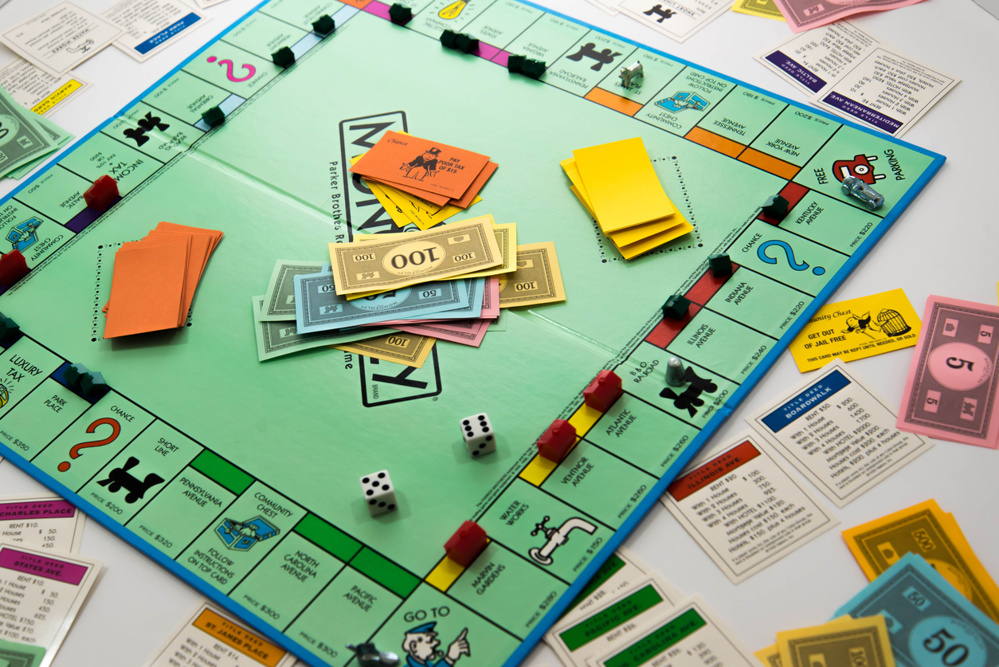
For many people, childhood memories are tied to more than birthdays and holidays—they're connected to the toys that filled bedrooms, classrooms, and living room floors. Whether you spent hours building with Lego bricks, challenging friends to Monopoly, cuddling a Care Bear, or hoping to unwrap the season's hottest toy, these childhood favorites became part of a shared cultural experience that continues to unite generations.
Those memories are also packed with fascinating stories. Some toys sparked nationwide shopping frenzies, others changed the way children played, and a few became valuable collectibles years later. Behind every iconic plaything is a piece of pop culture history that explains why these classics remain beloved long after they disappeared from store shelves.
Classic Toy Trivia That Proves Your Childhood Was Iconic
Some of the world's most recognizable toys have surprising origins that many fans never learn. Before Monopoly introduced its famous metal tokens in 1937, players used ordinary household objects like buttons, coins, and small charms to represent themselves around the board. Even the familiar token collection changed repeatedly over the decades, with several early pieces disappearing long before modern players ever opened the box.
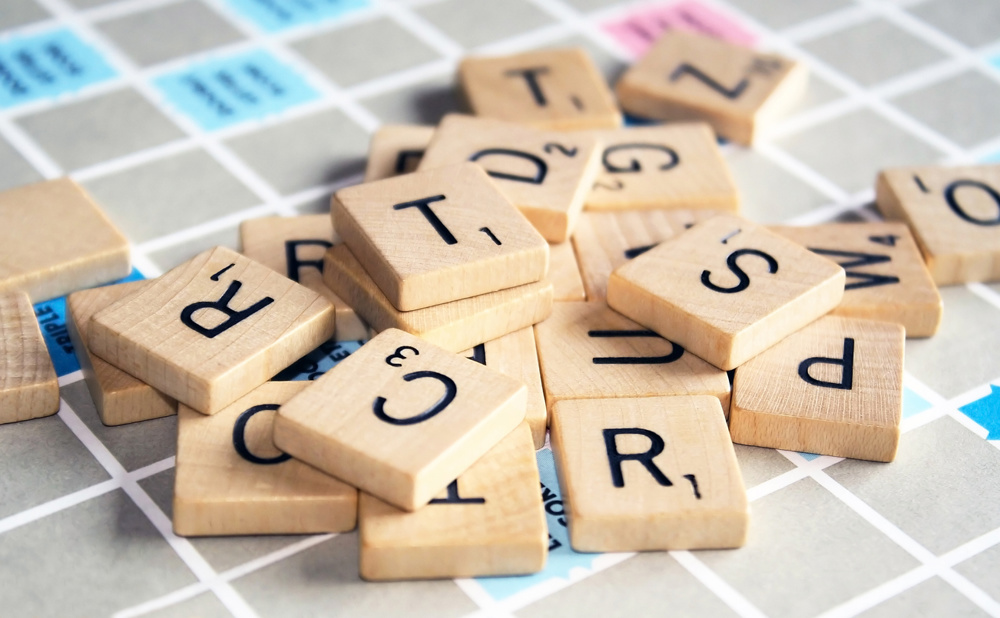
Other classics also evolved before becoming household names. Scrabble began life as Criss-Cross Words before receiving its famous name in 1948, while Play-Doh first appeared in 1956 as a children's modeling compound before mascot Play-Doh Pete debuted four years later. Lego continued refining its famous brick system as well, eventually creating one of the most versatile building toys ever produced.
These stories remind us that today's iconic brands didn't become instant successes. They evolved through experimentation, redesigns, and changing generations of children. Every familiar toy carries a history that reflects both innovation and the changing interests of families throughout the twentieth century.
The Surprising Numbers Behind Monopoly, Lego, and Other Classics
Toy history becomes even more fascinating when you look at the numbers behind these familiar brands. Before official Monopoly tokens arrived, every game looked slightly different because families improvised with whatever small objects they had available. Meanwhile, Lego engineers discovered that just six identical eight-stud bricks can be combined in an astonishing 915,103,765 different ways, demonstrating the incredible versatility hidden inside one of the world's simplest toys.
Several classic brands also reached milestones that transformed the toy industry. Barbie has sold more than one billion dolls worldwide since her debut in 1959, while Hot Wheels has produced billions of miniature cars that continue attracting both children and adult collectors. Etch A Sketch, introduced in 1960, became one of the best-selling drawing toys ever created, inspiring generations of artists to create surprisingly detailed pictures using only two knobs.
These remarkable figures highlight why certain toys remain cultural icons. Their popularity wasn't simply the result of clever marketing—it reflected products that inspired imagination, encouraged creativity, and became woven into childhood memories shared across multiple generations.
Toys That Made Headlines and Sparked Shopping Frenzies
Some toys became much more than popular gifts—they became national news. Parents lined up outside stores before sunrise, television crews reported on shortages, and newspapers documented shoppers racing through toy aisles in search of the year's most sought-after holiday present. These moments transformed ordinary products into unforgettable cultural events.
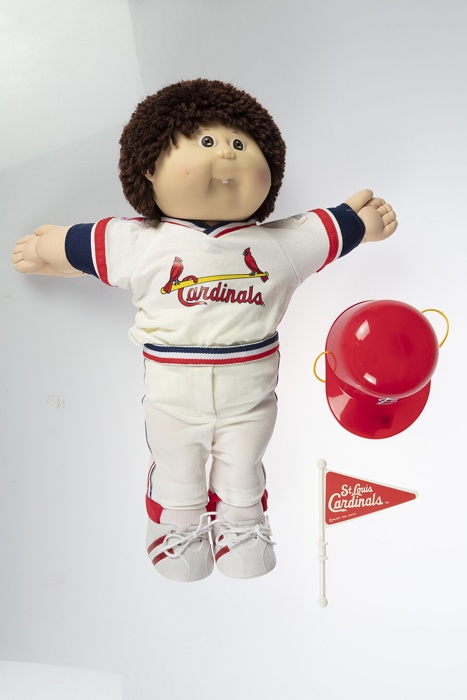
One of the best-known examples came during Christmas 1996, when Tickle Me Elmo became nearly impossible to find. Long lines, sold-out stores, and intense competition between shoppers made headlines across the country. Earlier generations experienced similar excitement with Cabbage Patch Kids in the early 1980s, when demand became so overwhelming that some stores struggled to manage crowds of eager parents hoping to secure one before Christmas.
These shopping crazes reveal how toys often became shared national experiences. Families discussed them at school, coworkers compared shopping stories, and evening news broadcasts covered the excitement. Even people who never purchased the toys usually remembered the excitement surrounding them, making these products lasting pieces of pop culture history.
Why Care Bears, Beanie Babies, and Tickle Me Elmo Became Collector Gold
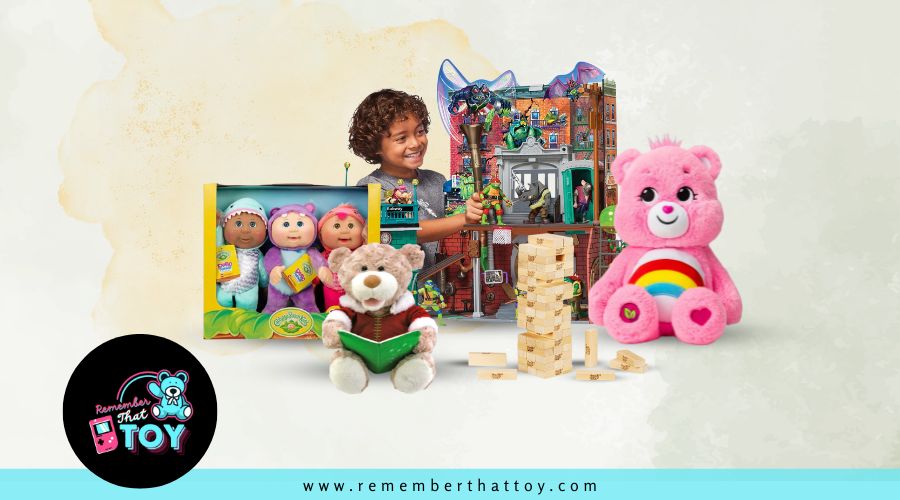
Not every successful toy became a collectible, but some brands managed to combine emotional attachment with limited availability, creating enormous long-term interest among fans. Care Bears built loyal audiences through colorful characters, animated television specials, greeting cards, and merchandise that encouraged children to connect with individual personalities rather than simply owning another stuffed animal.
Beanie Babies introduced an entirely different strategy. Ty regularly retired popular designs, creating limited supplies that encouraged collectors to believe certain plush animals would become increasingly valuable. Some rare editions sold for thousands of dollars during the height of the collecting boom, while newspapers and television programs regularly covered the growing craze.
Tickle Me Elmo became valuable for a different reason. Rather than relying on long-term scarcity, it represented one unforgettable holiday season that millions of families still remember. For many collectors today, these items represent more than financial value—they capture specific moments in childhood, family traditions, and cultural history that continue to evoke nostalgia decades later.
How Saturday Morning Cartoons Turned Toys Into Pop Culture Icons
Many of the most successful toys didn't become famous through store shelves alone. Saturday morning cartoons introduced children to characters they quickly wanted to bring home. Shows like Transformers, G.I. Joe, He-Man and the Masters of the Universe, My Little Pony, andTeenage Mutant Ninja Turtles blended storytelling with merchandising, allowing television and toys to reinforce each other's popularity.
Watching these programs became a weekly ritual for millions of children. Kids discussed episodes at school, recreated adventures on the playground, and collected action figures that extended those stories beyond the television screen. The toys encouraged imaginative play while the cartoons continuously introduced new characters, vehicles, and accessories that expanded each franchise's appeal.
This relationship permanently changed children's entertainment. Television wasn't simply advertising products—it created fictional worlds that children could continue exploring at home. Many of these franchises remain successful today through movies, streaming series, comic books, and new toy collections, proving that the connection between storytelling and play remains one of pop culture's most enduring partnerships.
Why Retired and Hard-to-Find Toys Are Worth So Much Now
As children grew up, many of their favorite toys quietly disappeared from store shelves. Manufacturers discontinued certain models, redesigned product lines, or retired entire collections to make room for new releases. Years later, those once-common childhood favorites suddenly became difficult to find, especially in their original packaging.
Scarcity is one reason these items become valuable, but nostalgia is often an even stronger force. Adults frequently search for the exact Barbie, Hot Wheels car, Furby, or Game Boy they owned as children because those objects represent memories rather than investments. Original boxes, instruction manuals, and unopened packaging add historical value by preserving a snapshot of a particular era.
Condition also plays an important role. A well-preserved toy with documented origins is naturally more appealing than one that has been heavily used. Even so, for many collectors the emotional connection matters more than the price tag. These childhood treasures remind people of birthdays, Christmas mornings, and afternoons spent playing with siblings or friends.
Why Holiday Catalogs and Fast-Food Toys Became Childhood Traditions
For many families, the excitement surrounding toys began long before the holidays arrived. Children eagerly flipped through the Sears Wish Book, JCPenney catalogs, and later the colorful Toys "R" Us holiday guides, circling dream gifts with markers and imagining what might appear under the Christmas tree. These catalogs became annual traditions that built anticipation weeks before the holidays.
Fast-food restaurants also became part of childhood pop culture through collectible promotions. McDonald's Happy Meal toys, Burger King Kids Club giveaways, Disney movie tie-ins, and later Pokémon cards turned ordinary family meals into exciting opportunities to collect something new. Completing a full set often became just as exciting as the meal itself.
These experiences created memories that extended beyond the toys themselves. Visiting toy stores, browsing holiday catalogs, and trading promotional toys with classmates became shared traditions that many adults still remember fondly. They transformed shopping into an event and helped strengthen the emotional connection people still have with these childhood brands.
Why Retro Toys Keep Finding New Fans
Although many classic toys disappeared for years, they've found new audiences through social media and online communities. TikTok creators regularly share nostalgic toy collections, YouTube channels feature vintage toy restorations and unboxings, and Instagram accounts celebrate everything from Polly Pocket playsets to classic Nintendo handhelds. These platforms allow longtime fans to revisit childhood memories while introducing younger generations to toys they never experienced firsthand.
Manufacturers have also embraced this renewed interest. Companies continue releasing updated versions of Furby, Tamagotchi, Polly Pocket, Lite-Brite, and other beloved classics. LEGO Icons, Barbie collector editions, and anniversary reissues demonstrate that nostalgia has become an important part of today's toy industry, appealing to adults who grew up with these brands while attracting new collectors.
The revival goes beyond simply reproducing old products. Many adults now proudly display vintage toys in their homes, attend toy conventions, participate in online collecting groups, and share stories connected to their favorite childhood memories. These communities show that the emotional appeal of classic toys remains just as powerful as it was decades ago.
Why Childhood Toys Continue to Connect Generations
One reason classic toys remain culturally important is their ability to bridge generations. Parents often introduce their children to the same games, dolls, construction sets, and action figures they once enjoyed themselves. A grandparent teaching Monopoly, a parent building with Lego bricks, or siblings racing Hot Wheels cars together creates experiences that feel both familiar and new.
Many timeless brands have successfully adapted without losing their original appeal, while classic stories continue finding new audiences through movies, television, and children's books and pop culture trivia that celebrate the characters and moments generations grew up with. Barbie now reflects a wider range of careers and backgrounds, Lego continues expanding through licensed movie sets, and board games frequently receive modern editions while preserving the gameplay that made them classics. These updates help new audiences connect with toys that older generations already recognize.
This continuity explains why certain products remain household names for decades. They evolve with changing tastes while preserving the imaginative play that first made them memorable. Rather than belonging to one generation, these toys become shared cultural touchstones that families continue passing down through stories and experiences.
Conclusion
Childhood toys have always been more than simple playthings. They inspired imagination, encouraged friendships, filled television screens, dominated holiday wish lists, and created unforgettable moments that entire generations still remember. Whether they became collector's items or remained treasured keepsakes, these classics helped shape the shared experiences that define childhood pop culture.
Today, those same memories continue through vintage collections, reissued favorites, online communities, and nostalgic conversations between generations. Every Monopoly game, Lego creation, Care Bear, or Tickle Me Elmo carries a story that extends far beyond the toy itself. They remain enduring symbols of creativity, family traditions, and the timeless joy of growing up.
Related posts