The 80s Toys That Still Trigger Instant Childhood Nostalgia
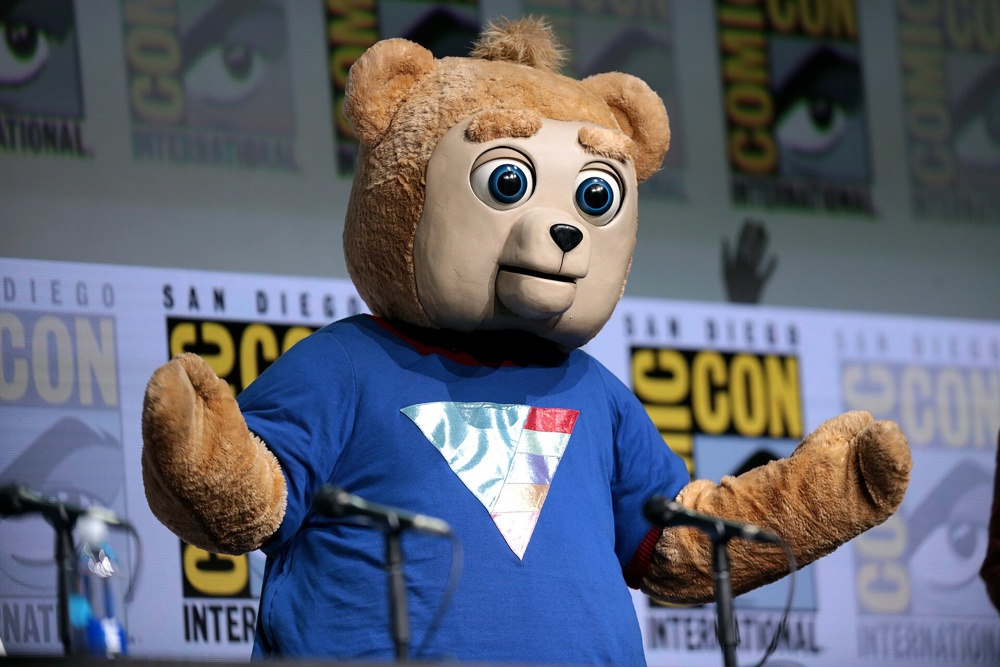
Mention a Rubik's Cube, Teddy Ruxpin, or Transformers to someone who grew up during the 1980s, and chances are they'll immediately remember far more than the toy itself. They'll remember Saturday mornings in front of the television, birthday parties filled with brightly wrapped boxes, family trips to Toys "R" Us, and Christmas wish lists carefully planned months in advance. These toys became part of everyday life in ways that still resonate decades later.
That's why 80s toys continue to hold such a special place in pop culture. They weren't simply products sitting on store shelves—they became characters, conversation starters, collectibles, and shared experiences that connected an entire generation. Their influence continues through modern reissues, online communities, and nostalgic fans eager to relive a piece of childhood.
The 80s Toys Every Kid Wanted
The 1980s introduced an incredible variety of toys that quickly became household names. Action figures, dolls, electronic games, plush characters, and creative building sets all competed for children's attention, creating one of the most memorable decades in toy history. Every birthday or holiday seemed to introduce another must-have favorite that classmates couldn't stop talking about.
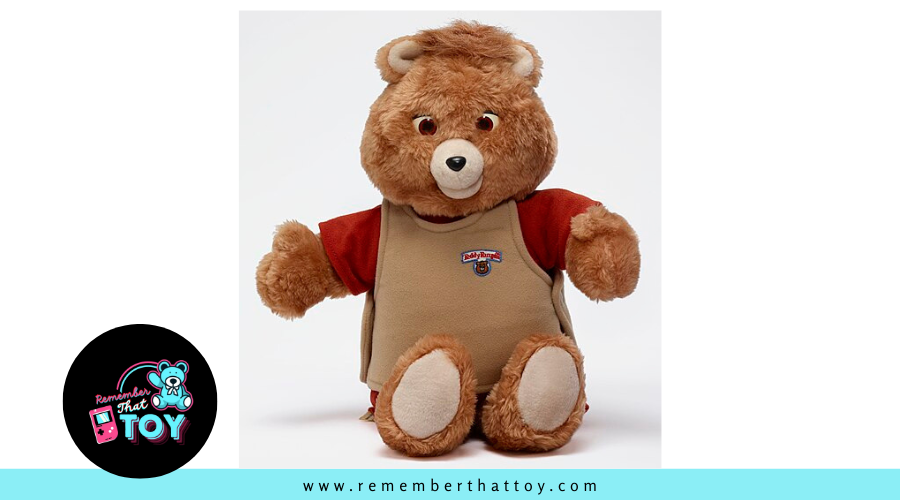
Some brands became instant icons. G.I. Joe, Masters of the Universe, Transformers, My Little Pony, and Care Bears dominated bedrooms and playgrounds, while Cabbage Patch Kids became one of the decade's biggest shopping sensations. Rubik's Cube challenged millions of players with its colorful puzzle, while Teddy Ruxpin and Speak & Spell combined entertainment with technology in ways that felt remarkably futuristic at the time.
These classics became more than passing trends because they encouraged imagination and personal storytelling. Children invented adventures, traded figures with friends, and spent hours creating new worlds around familiar characters. Long after the original commercials disappeared, those experiences continued living in the memories of the people who grew up with them.
The 80s Toy Crazes Nobody Saw Coming
Even the biggest toy manufacturers couldn't always predict which products would become cultural phenomena. Some launches exceeded every expectation, leaving retailers scrambling to keep shelves stocked while parents searched multiple stores hoping to find the season's hottest gift. The excitement often became just as memorable as the toys themselves.
Perhaps no example captures this better than Cabbage Patch Kids. During the early 1980s holiday seasons, demand grew so quickly that stores experienced shortages, long lines, and highly publicized shopping scenes covered by newspapers and television broadcasts. Families who managed to purchase one often considered themselves lucky, while others continued searching until Christmas Eve.
Other brands experienced similar surprises. Transformers rapidly became one of the decade's defining franchises after debuting in 1984, while Teddy Ruxpin fascinated children with moving eyes and storytelling cassette tapes. Even Rubik's Cube, originally introduced as a challenging puzzle, grew into an international craze that crossed generations, proving that memorable ideas sometimes become much bigger than anyone expects.
Toys You Could Feel, Twist, and Transform
One reason many 80s favorites remain unforgettable is that they rewarded hands-on interaction. Long before smartphones and touchscreens, children experienced entertainment through physical play that encouraged experimentation, creativity, and discovery. Every twist, stretch, click, or transformation became part of the overall experience.
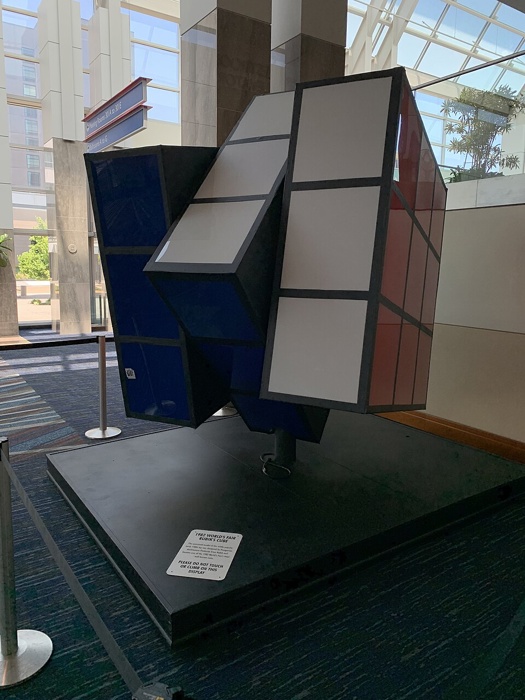
Stretch Armstrong became famous because children could pull him far beyond normal proportions before watching him slowly return to his original shape. Transformers amazed kids by turning everyday vehicles into robots, while Popples folded into colorful balls before unfolding into plush characters. Rubik's Cube challenged players to rotate colorful squares into perfect alignment, rewarding patience and persistence with every solved puzzle.
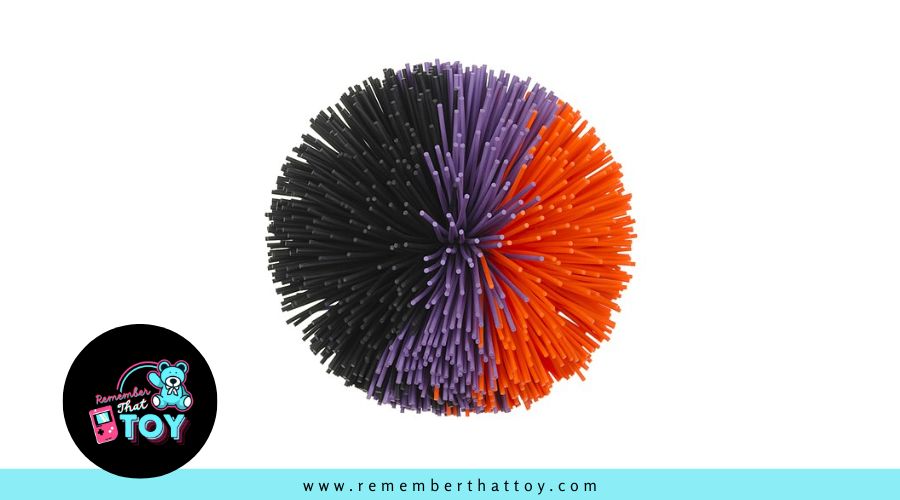
Many other classics followed the same philosophy. Lite-Brite transformed tiny colored pegs into glowing artwork, Etch A Sketch encouraged artistic creativity with two simple knobs, and Koosh Balls became favorites because of their unusual texture and satisfying bounce. These products proved that memorable play often came from simple physical interactions that captured children's curiosity.
Why 80s Toys Still Hit Differently
Today's entertainment offers remarkable technology, but many adults still describe 80s toys as feeling uniquely personal. Much of that connection comes from the way children interact with them. Instead of watching content passively, they built stories, solved puzzles, invented characters, and physically manipulated nearly every toy they owned.
The sensory experiences also remain surprisingly vivid. People still remember the satisfying clicks of a Rubik's Cube, the soft stretch of Stretch Armstrong, the electronic voice of Speak & Spell, and the mechanical sounds coming from Teddy Ruxpin's cassette player. Those familiar sights, sounds, and textures are exactly why nostalgic toys from the 80s continue to evoke such powerful childhood memories decades later.
Equally important were the social experiences surrounding them. Friends traded action figures at school, siblings competed over Simon high scores, families gathered around board games, and entire classrooms discussed the latest cartoon-inspired toy line. These products created shared memories that extended far beyond individual households, helping define an entire generation's childhood.
How Saturday Morning Cartoons Turned Toy Lines Into Icons
Many of the decade's biggest toy brands became successful because television introduced children to characters long before they visited toy stores. Saturday morning cartoons transformed products into ongoing adventures, allowing children to watch exciting stories each week before recreating those same adventures at home. The toys became extensions of the shows rather than separate products.
Series such as Transformers, G.I. Joe, He-Man and the Masters of the Universe, My Little Pony, ThunderCats, and The Care Bears created loyal audiences that eagerly collected figures, vehicles, and accessories connected to their favorite characters. Every new episode introduced fresh heroes, villains, and imaginative settings that expanded children's play long after the television was turned off.
This relationship between entertainment and merchandising permanently changed children's pop culture. Toy companies and animation studios worked together to build entire fictional worlds that extended across television, comic books, lunch boxes, clothing, and school supplies. Many of those franchises remain popular today through new movies, streaming series, anniversary collections, and modern toy releases that continue introducing these classic characters to younger generations.
The 80s Toys That Are Still Worth Owning
Many 80s toys remain popular not only because they're collectible, but because they represent important moments in childhood. Original Cabbage Patch Kids with adoption papers, working Teddy Ruxpin dolls, first-generation Transformers, and early G.I. Joe figures continue attracting longtime fans who appreciate both their history and craftsmanship. For many people, displaying these items is less about investment and more about preserving a piece of their past.
Some classics also remain genuinely enjoyable to use. Rubik's Cube still challenges puzzle enthusiasts around the world, while Simon continues testing memory and concentration decades after its debut. Lite-Brite, Etch A Sketch, and View-Master have all proven that simple, hands-on entertainment can remain engaging even in an age dominated by digital technology.
Collectors also value the stories behind these products. Original packaging, instruction booklets, and promotional materials provide a snapshot of 1980s design and marketing. Whether displayed on a shelf or shared with younger family members, these childhood favorites continue serving as reminders of one of the most creative eras in toy history.
Why TV Commercials and Holiday Shopping Made These Toys Legendary
For many families, discovering the newest toys began long before Christmas morning. Television commercials filled afternoon cartoons with exciting demonstrations of the latest products, while colorful holiday catalogs gave children endless opportunities to imagine what might appear under the tree. Watching these advertisements became part of the seasonal excitement as kids debated which toys deserved a place on their wish lists.
The shopping experience itself became part of the memory. Stores like Toys "R" Us transformed toy buying into an event, with enormous aisles packed with action figures, dolls, games, puzzles, and electronic gadgets. Families often spent hours browsing together, while annual catalogs such as the Sears Wish Book became treasured traditions that many children eagerly studied throughout the holiday season.
These experiences helped turn ordinary products into lasting cultural symbols. A toy wasn't remembered simply because someone owned it—it was remembered because of the anticipation, family traditions, and excitement surrounding its arrival. Those emotions remain closely connected to the toys themselves, which helps explain why they continue triggering vivid memories decades later.
Why 80s Toys Keep Finding New Fans
Although many classic toys disappeared from store shelves years ago, they've experienced remarkable revivals through modern media and collector communities. YouTube channels dedicated to vintage toy restoration attract millions of viewers, while TikTok creators regularly share nostalgic collections, childhood room recreations, and retro toy reviews that introduce younger audiences to products from the 1980s.
Toy manufacturers have embraced this renewed enthusiasm by releasing updated versions of familiar favorites. Hasbro, Mattel, and other companies continue producing anniversary editions, retro packaging, and limited collector releases that appeal to adults who grew up with these brands. Funko Pop! figures have also introduced beloved 80s characters to new audiences, while LEGO nostalgia sets celebrate iconic movies, television shows, and franchises from the decade.
Conventions and collector events have helped strengthen these communities even further. Fans gather to trade vintage figures, attend panel discussions, meet toy designers, and celebrate the brands that shaped their childhoods. These gatherings demonstrate that interest in 80s toys isn't fading—it continues evolving as each new generation discovers what made these classics so special.
Why 80s Toys Continue Inspiring Creativity
One of the lasting strengths of many 80s toys is that they encouraged imagination rather than simply providing entertainment. A handful of action figures could become an entire cast of heroes and villains, while building sets inspired children to invent worlds that existed only in their own stories. The toys provided the starting point, but the adventure depended entirely on creativity.
Many of these products also encouraged problem-solving and experimentation. Rubik's Cube challenged logical thinking, Speak & Spell introduced educational technology in an entertaining format, and construction toys rewarded patience and persistence. Even simple favorites like Koosh Balls or Micro Machines inspired games that children invented themselves without relying on detailed instructions or digital screens.
That creative freedom continues attracting families today. Parents and grandparents often introduce these classics to younger generations because they appreciate how they encourage imagination, conversation, and shared play. While technology has transformed entertainment, the simple joy of creating stories with a favorite toy remains remarkably timeless.
Conclusion
The greatest 80s toys became far more than holiday gifts or playground favorites. They helped define an entire generation through television, advertising, schoolyard conversations, family traditions, and countless hours of imaginative play. Whether solving a Rubik's Cube, transforming Optimus Prime, or listening to Teddy Ruxpin tell another story, these experiences became lasting pieces of childhood that millions of people still recognize instantly.
Today, those same classics continue thriving through collector communities, modern reissues, online nostalgia, and families sharing them with the next generation. Their enduring popularity isn't simply about rarity or value—it's about the memories they represent and the cultural impact they had. Decades later, these iconic 80s favorites remain some of pop culture's most recognizable symbols of growing up.