Why Jump Ropes Were the Ultimate Outdoor Toy in the 1970s
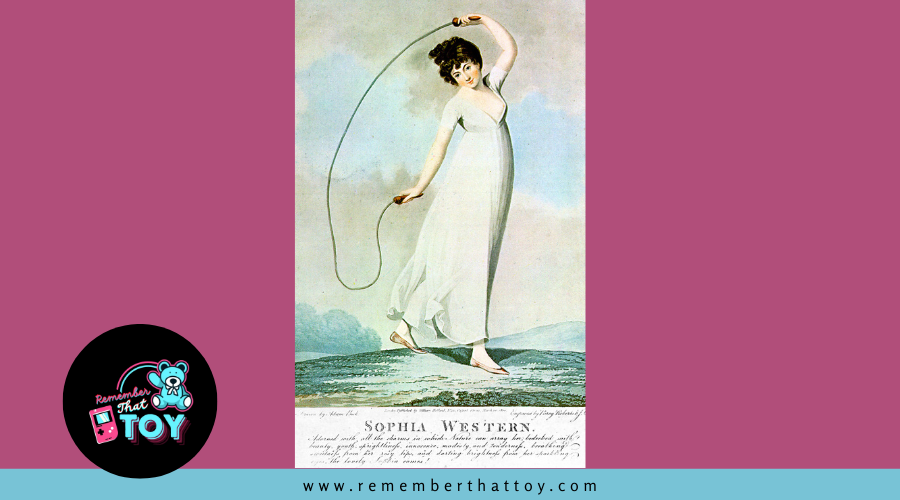
Shaped by a growing focus on community and fitness, the cultural landscape of the 1970s saw jump ropes emerge as a favorite outdoor toy for kids. In urban areas, where access to recreational facilities was limited, jumping rope became an accessible and inclusive activity.
Television and radio were on the rise, but outdoor games like jumping rope thrived, fostering social interactions among peers. The period's emphasis on physical activity spurred the formalization of competitive jump rope, including the establishment of the National Double Dutch League in New York. This league opened doors for girls who were often excluded from boys' sports, allowing them to showcase their athleticism and creativity through Double Dutch.
Jump Rope: A Symbol of Community
Jumping rope became more than just a pastime; it transformed into a powerful symbol of community in the 1970s. For many girls in urban neighborhoods, the jump rope represented a creative outlet, fostering friendships and resilience in an environment where traditional boys' sports often sidelined them.
During jump rope sessions, you'd find girls gathering together, sharing laughter and rhythmic chants, creating bonds that transcended the mere act of jumping. These gatherings were not just about exercise; they served as a hub for social interaction and community spirit as families and neighbors cheered on their young jumpers.
The Rise of Double Dutch
As girls bonded over their jump rope sessions in the 1970s, Double Dutch began to emerge as a thrilling variation that captured their imagination. This energetic form of jump rope became a lively part of urban culture, offering girls an inclusive alternative to the boys' sports that often dominated the playground. The establishment of the American Double Dutch League during this time formalized competitive rules, elevating the activity to a sport that promoted fitness and camaraderie among participants.
Unfortunately, by the 1980s, the rise of gun violence led to a decline in outdoor Double Dutch play. As a result, many turned to indoor competitive formats, but the spirit of Double Dutch continued to inspire girls, reminding them of the joy and unity it once brought to their neighborhoods.
Fitness Revolution and Jump Rope's Role
The 1970s marked the beginning of a broader fitness revolution, with people becoming more aware of the benefits of exercise. Activities like running, aerobics, and yoga began gaining traction, and jump rope naturally fit into this movement.
For kids, jump rope wasn’t seen as exercise—it was pure fun. But behind the scenes, it provided an excellent cardiovascular workout, improved agility, and enhanced hand-eye coordination. Schools and after-school programs began incorporating jump rope into physical education curriculums, recognizing its value in promoting health and wellness.
Fitness icons and athletes even adopted jump rope exercises as part of their training routines, which added an aspirational quality to the toy. Kids could imitate their heroes while staying active and having fun.
Creative Play and Rhythmic Chants
During the 1970s, jump rope sessions became spirited gatherings filled with rhythmic chants and handclap rhymes, enhancing social interaction among kids. As you joined your friends, the atmosphere buzzed with energy, and the sound of feet hitting the pavement mixed harmoniously with your voices. These sessions weren't just about jumping; they were a creative playground where you expressed yourself through rhythm and rhyme.
Competitive Jump Rope Initiatives
Competitive jump rope initiatives emerged in the 1970s, transforming a playful pastime into a dynamic sport. It all began when police officers Mike Williams and David Walker recognized the potential for jump rope to promote fitness among girls in urban communities. They formalized Double Dutch by introducing competitive rules, which sparked the establishment of the American Double Dutch League.
As interest grew, competitive jump rope gained traction across the United States. By the 1990s, national and international competitions began to showcase diverse styles and techniques, highlighting how jump rope originated as a simple game and evolved into a competitive sport. One significant innovation during this period was the introduction of the Chinese Wheel format at world competitions, featuring two jumpers with crossed ropes.
World Inter School
The World Inter-School Rope Skipping Championship began in November 2015 in Dubai. This event brought together students from different schools to compete in rope skipping at an international level.
The second championship took place in Eger, Hungary, followed by the third in 2017 in Hungary, the fourth in 2018 in Hong Kong, and the fifth in 2019 in Belgium. These events were organized by the World Inter-School Rope Skipping Organisation (WIRSO), helping to promote rope skipping as a global competitive sport among students.
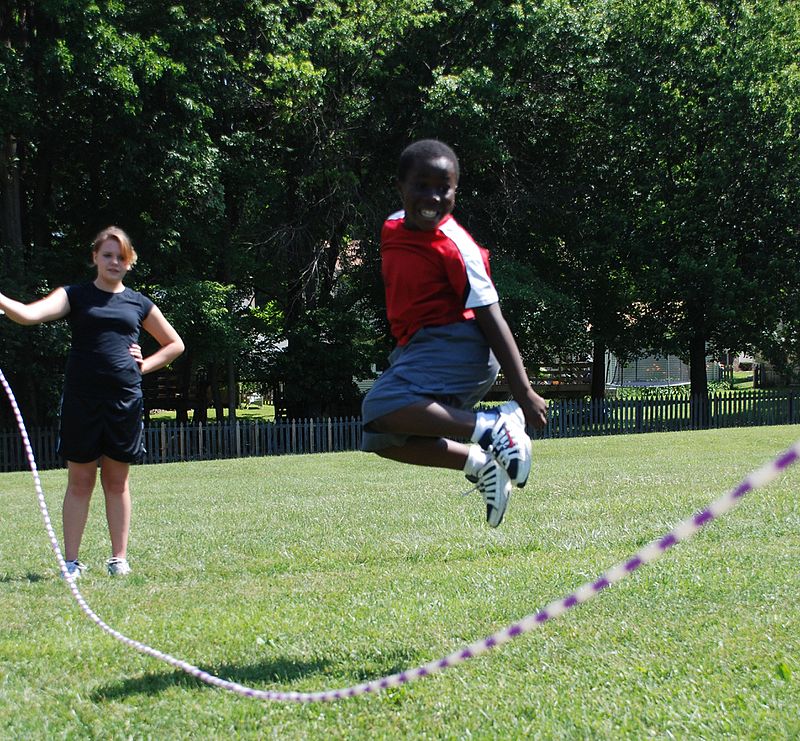
Image: Jarek Tuszyński, Fairfax County School sports - 22, CC BY 4.0
Types of Jump Ropes
- Speed Jump Ropes: Made from a thin vinyl cord or wire, these ropes are designed for fast jumping and tricks like double unders. They work best indoors since rough surfaces like concrete can quickly damage them.
- Licorice Jump Ropes: Crafted from vinyl or PVC, these ropes are ideal for freestyle jumping. Their lightweight design makes them easy to handle for tricks and smooth movements.
- Beaded Jump Ropes: These ropes have plastic beads along the cord, creating a rhythmic sound when they hit the ground. This sound helps jumpers maintain a steady pace and rhythm during their jumps.
- Leather Jump Ropes: Known for their durability, leather ropes are thicker and less likely to tangle. They are a good choice for outdoor use since they hold up well on rough surfaces.
Lasting Impact on Youth Activities
The competitive jump rope scene of the 1970s laid a strong foundation for youth activities that continue to resonate today. Through Double Dutch and other jump rope games, you experienced not just fun but also a sense of community. This activity encouraged physical fitness and teamwork, which are crucial skills that still benefit youth today.
You might remember how jump rope competitions became a rite of passage, especially for girls in urban areas. Here's how jump ropes shaped youth engagement:
- Fostered Community: Jump rope sessions created bonds among friends and neighbors.
- Promoted Fitness: Engaging in rhythmic jumping kept kids active and healthy.
- Structured Outlets: Competitions offered an organized way to channel energy, especially during tougher times.
- Cultural Significance: Double Dutch became a cultural activity, evolving to include both girls and boys.

The Role of Music in Jump Rope Games
Music and rhythm played a significant role in making jump rope sessions engaging and entertaining. In addition to chants, children often jumped rope to popular songs of the era. The beat of the music served as an unspoken guide, syncing foot movements with the swing of the rope.
This relationship between music and jump rope not only enhanced the experience but also made it adaptable to group activities. Children could coordinate their jumps with one another, creating intricate patterns and synchronized routines that added excitement and creativity to their play.
Wrapping Up
Jump ropes were more than just a playground toy in the 1970s—they were a cultural phenomenon, a fitness tool, and a symbol of community. The simplicity of the activity, combined with its accessibility and social nature, allowed it to transcend economic and cultural boundaries.
Through games, chants, and competitive formats like Double Dutch, jump rope became a meaningful part of childhood for countless kids. It fostered friendships, promoted fitness, and provided a creative outlet for self-expression.