Why 90s Action Figures Are Now Some of the Hottest Collectibles
You might find 90s action figures skyrocketing in demand due to nostalgia, as they evoke childhood memories and link generations. These iconic characters are now cultural artifacts, fueled by social media and cross-industry collaborations.
The pandemic heightened this allure, pushing collectors to seek comfort in the past. Factors like rarity, factory errors, and seasonal trends further drive values. Stick around to uncover more about why these retro gems captivate today's collectors.
Key Takeaways
- Nostalgia from 90s childhood memories drives the demand for action figures among collectors.
- Iconic franchises like TMNT and GI Joe maintain relevance, boosting the appeal of their action figures.
- Rarity and authenticity, including packaging integrity and factory errors, increase collectible value.
- Social media and hashtag campaigns revive interest in 90s action figures, reaching younger audiences.
- Limited edition releases and holiday season sales create urgency and enhance collectible value.
90s Nostalgia and Its Influence on Modern Collecting
Nostalgia fuels the modern collecting craze, especially among those who grew up in the 90s. If you're in your early 30s, you're likely drawn to action figures from your childhood, embracing their nostalgic design.
These toys are gateways to cherished childhood memories. They're part of a cyclical pattern where items become collectible 30–40 years after their release, aligning perfectly with today's demand. The Most Iconic Toys of the 1990s, such as Power Rangers action figures, have become nostalgic collectibles due to their significant cultural impact and the imaginative play experiences they provided.
The pandemic heightened our yearning for simpler, happier times, making these relics even more appealing. As you seek comfort in these valuables, you're not alone. Gen Z also finds novelty in these retro designs, while Gen X, in their prime earning years, leads the charge, treating these toys as cultural artifacts.
Nostalgia creates emotional connections, evoking simpler times, and this emotional resonance encourages collectors to engage more deeply with these once-forgotten treasures.
The Role of Iconic Characters in Driving Demand
Iconic characters from 90s franchises are at the heart of the demand for collectible action figures. You can see how franchises like TMNT and GI Joe have achieved longevity by constantly evolving their characters and expanding their reach through TV, movies, and merchandise.
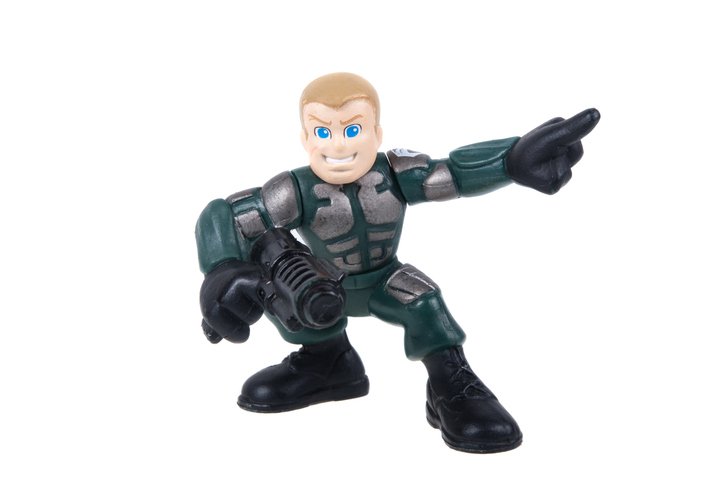
This character evolution keeps them relevant, drawing interest from both old fans and new collectors. Cross-media appeal also enhances demand, with Power Rangers and Batman figures gaining value due to their ties to enduring shows and films. Franchise expansion plays a key role, as seen with X-Men's rise through comics and movies, making their figures hot commodities.
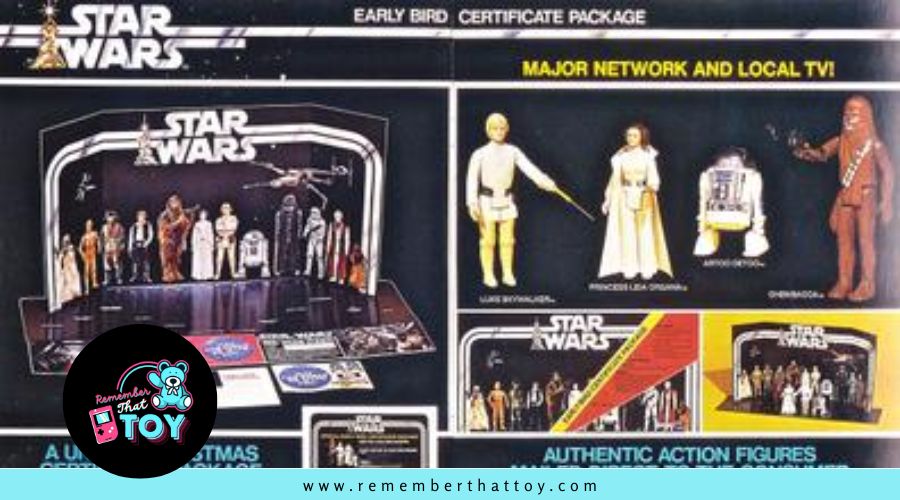
The success of Kenner's Star Wars toys in the late 70s and their subsequent impact on toy history exemplifies how iconic franchises can drive substantial sales through action figures. Even niche characters like SPAWN and Street Fighter maintain their allure, fueled by dedicated fanbases and mythical appeal. Condition and packaging impact the resale value of toys, with complete sets tending to be more valuable than individual figures.
Bridging Generational Gaps Through Shared Memories
These shared experiences turn simple toys into powerful symbols of unity. Parents and kids bond over favorite characters, recalling memories of their own youth or creating new ones together. The enduring popularity of franchises like Star Wars shows how they become a part of family traditions.
The emotional connections fostered through nostalgia and originality captivate a broad audience, establishing a lasting legacy in the toy market. 90s action figures become a conduit, linking different generations through the magic of collective nostalgia.
The Resurgence of Low-Tech Toys in a Digital Age
As families bond over shared memories of 90s action figures, a fascinating trend emerges in the modern technological landscape: the resurgence of low-tech toys. You might notice how low-tech nostalgia is sweeping through homes, as Millennial parents opt for retro toys to reduce screen time and encourage physical play in their children.
This shift highlights the value of hands-on experiences over digital interactions, reinforcing the importance of tangible play. Toys that integrate minimal technology, like those teaching coding through physical manipulation, are gaining popularity. Brands like HEXBUG Nano have introduced innovative technology and design by mimicking insect movement, merging the excitement of micro robotics with traditional play.
These toys engage children in creative, educational activities without the constant presence of screens, catering to a growing desire for simpler, more meaningful play experiences that balance tradition with innovation. Brands are also leveraging nostalgia in marketing campaigns to connect with the emotional appeal of these toys, further driving their popularity among consumers.
The Impact of Secondary Markets on Collectible Values
Although the technological age has transformed how we buy and sell, secondary markets for collectibles, like 90s action figures, continue to thrive and deeply impact their values. Market fluctuations and valuation challenges make it essential for you to stay informed. Online platforms like eBay and Etsy enhance accessibility, allowing you to tap into global demand.
This increased exposure can drive up prices, but also introduces unpredictability. Nostalgia and media revivals fuel demand, driving market growth. However, economic volatility can lead to shifts in collectible investments.
The global second-hand collectibles market was valued at USD 142.5 billion in 2024, highlighting its significant economic impact. As the market expands, you might find mid-range collectibles more appealing due to their affordability.
Staying updated on trends and leveraging digital tools helps you navigate this dynamic market, ensuring smart investment decisions. The collectibility and market trends of 90s action figures, such as those from the Teenage Mutant Ninja Turtles line, demonstrate how nostalgia can increase the value of these items over time.
The Importance of Packaging and Authenticity
Understanding the secondary market's influence on collectible values lays the groundwork for appreciating the role of packaging and authenticity in 90s action figures. You'll find that packaging integrity is vital for collectors, with sealed blister packs and original inserts enhancing resale value.
Authentic 90s packaging often features lively artwork and precise logos, while flimsy materials can signal counterfeits. Authenticity verification is similarly significant. Look for copyright stamps and consistent paint application on figures. High-grade plastics resist yellowing, guaranteeing long-term collectibility.
Collectors often establish a budget to manage their purchases, ensuring they acquire authentic and well-preserved figures. Counterfeit identification involves checking for blurry text or absent manufacturer details.
Provenance adds value too, confirming authenticity without needing an unopened status. Counterfeit figures often come in plain plastic bags or flimsy boxes without images or logos, making meticulous inspection essential. Emphasizing these factors guarantees you appreciate both the nostalgia and investment potential of these collectibles.
Error Variants and Their Unique Appeal
When plunging into the world of 90s action figures, error variants hold a special allure for collectors, offering a blend of rarity and intrigue. Factory errors like the miscolored Tan Vest Luke Skywalker or the handless Han Solo (Hoth) transform simple toys into sought-after gems. Packaging misprints, such as the Gambit/Ryu swap, add layers of collectible rarity, while sculpting flaws like Monkey Face Leia create unique talking points.
International variants introduce further fascination with their regional quirks, like Argentina's Top Toys without country stamps. Collectors often compare the 90s toy market to earlier iconic lines like G.I. Joe and Transformers, noting similarities in how nostalgia drives demand.
Speculation around figure variations fueled excitement, with collectors enthusiastically hunting for these anomalies. Embracing these quirks, you immerse yourself in a rich tapestry of history, where each error tells a story of its own.
Cross-Industry Collaborations and Their Long-Term Effects
In the domain of collectibles, cross-industry collaborations have reshaped the landscape, offering exciting new dimensions for fans and collectors alike. Brand partnerships with established IPs like DC Comics or Squid Game bring immediate cultural relevance and fanbases, minimizing marketing hurdles.
These collaborations bridge different sectors, expanding reach and raising collectibles to new heights. With the rise of digital collectibles, this trend is further amplified, as digital assets linked to physical products enhance ownership and value, creating a unique blend of physical and digital experiences for collectors.
The Masters of the Universe franchise, known for its blend of medieval and sci-fi elements, has similarly influenced toy culture and remains a significant part of collectible discussions today.
View this post on Instagram
| Emotion | Example Collaboration | Impact |
|---|---|---|
| Excitement | Levi's x Princess Mononoke | Bridges anime and fashion, increasing demand |
| Nostalgia | Crocs' Squid Game clogs | Blends humor with pop culture, sparking intrigue |
| Urgency | POP MART's Squid Game figures | Limited editions create scarcity and urgency |
With exclusive releases, these partnerships create a sense of urgency and raise perceived value, fostering a thriving cultural community among collectors.
The Role of Social Media in Reviving Retro Trends
Social media platforms have become essential in reviving retro trends, particularly 90s action figure collectibles. Instagram stories and hashtag campaigns like #antiquestorefinds drive revelation, with platforms seeing over 100 million views. TikTok's algorithm enhances retro content, making these collectibles visible to younger audiences.
You can easily browse virtual viewing rooms and high-res images without leaving your home, lowering entry barriers and improving accessibility. Online purchases of antiques and collectibles accounted for over 20% of decorative arts sales in 2022, reflecting a broader trend of digital engagement in the market.
Collectors love showcasing their unique finds on social media, gaining aesthetic credibility and sparking interest in retro trends. Influencers blend home decor inspiration with collectible sales, amplifying their appeal. The nostalgia surrounding these figures further fuels their desirability, similar to the emotional connection many feel with Smurf figurines.
Even auction houses have adopted online auctions and virtual previews to keep you engaged, ensuring 90s action figures remain a hot topic in the current digital landscape.
Holiday Seasons and Their Effect on Collectible Demand
As the holiday season approaches, consumer spending on collectibles, including 90s action figures, sees a noticeable uptick. Holiday collectibles benefit from seasonal trends like Black Friday and Cyber Monday, where consumers hunt for nostalgic items at promotional prices.
While 24% of shoppers expect the best deals during Black Friday, many also turn to online channels for value. This surge in demand is fueled by nostalgia from collectors in their 30s, seeking childhood jewels. With 57% of consumers feeling positive about their personal financial situation, there is a greater willingness to spend on nostalgic collectibles that invoke fond memories.
Budget-conscious shoppers in Germany often choose gift cards, which also aligns with fewer, higher-quality gifts. The 90s saw a wide array of iconic toys, such as Beanie Babies, that remain popular among collectors today.
| Seasonal Trend | Impact on Demand | Shopper Behavior |
|---|---|---|
| Black Friday | Increased | Seek best deals on classics |
| Online Channels | Enhanced | Perceived value, convenience |
| Gift Cards | Steady | Budget-friendly, sustainable |
These trends make the holiday season crucial for the collectible market.
Frequently Asked Questions
How Do I Determine the Value of My 90s Action Figures?
To determine your 90s action figures' value, start with a condition assessment. Check if they're mint-in-box or have wear and tear. Next, research current market trends. Look at auction platforms like eBay for recent sales of similar items.
Join collector communities for insights and consult price guides or local retailers for expert opinions. Consider franchise anniversaries or revivals, as these can temporarily enhance demand and value.
What Are Some Rare 90s Action Figures to Look For?
When you're looking for rare 90s action figures, focus on collectible trends and market demands. Seek out figures like the Prototype Boba Fett, valued at $204,435, or Original Power Rangers, fetching up to $150 each.
Marvel fans cherish the Silver Surfer and Fantastic Four figures. Don't overlook niche lines like Captain Simian Space Monkeys and Skeleton Warriors, which hold cult status. These gems can greatly enhance your collection's value.
How Should I Store My Action Figures to Maintain Their Condition?
You should store your action figures in durable display cases to protect them from dust and UV rays. Guarantee you have proper humidity control by using silica gel packets to prevent warping or mold. Keep your collection away from direct sunlight and avoid extreme temperatures.
Regularly check your figures for signs of wear and gently clean them with microfiber cloths. These steps will help maintain their condition for years to come.
Are There Specific Brands of 90s Action Figures That Are More Valuable?
You might wonder which 90s action figure brands hold the most value today. G.I. Joe figures, especially rare variants like the Leopard Paint Destro, are highly sought after. Power Rangers collectibles, such as the original Serpentera Zord, also fetch high prices due to their nostalgic appeal.
Look for unique features, limited production runs, and condition to determine value. Remember, scarcity and nostalgia drive demand, making these valuables for collectors like you.
What Resources Can Help Authenticate Vintage 90s Action Figures?
To authenticate vintage 90s action figures, rely on authentication methods like checking for specific production codes, packaging details, and material quality. Consult expert appraisals for high-value figures to guarantee accuracy.
Utilize community forums and vintage guides to cross-reference information and share insights. Examine physical comparisons using high-rez photos to spot discrepancies. Engage in thorough research, and always question unusual claims or features that don't align with known authentic details.