What Makes Sock Monkeys a Popular Collectible?
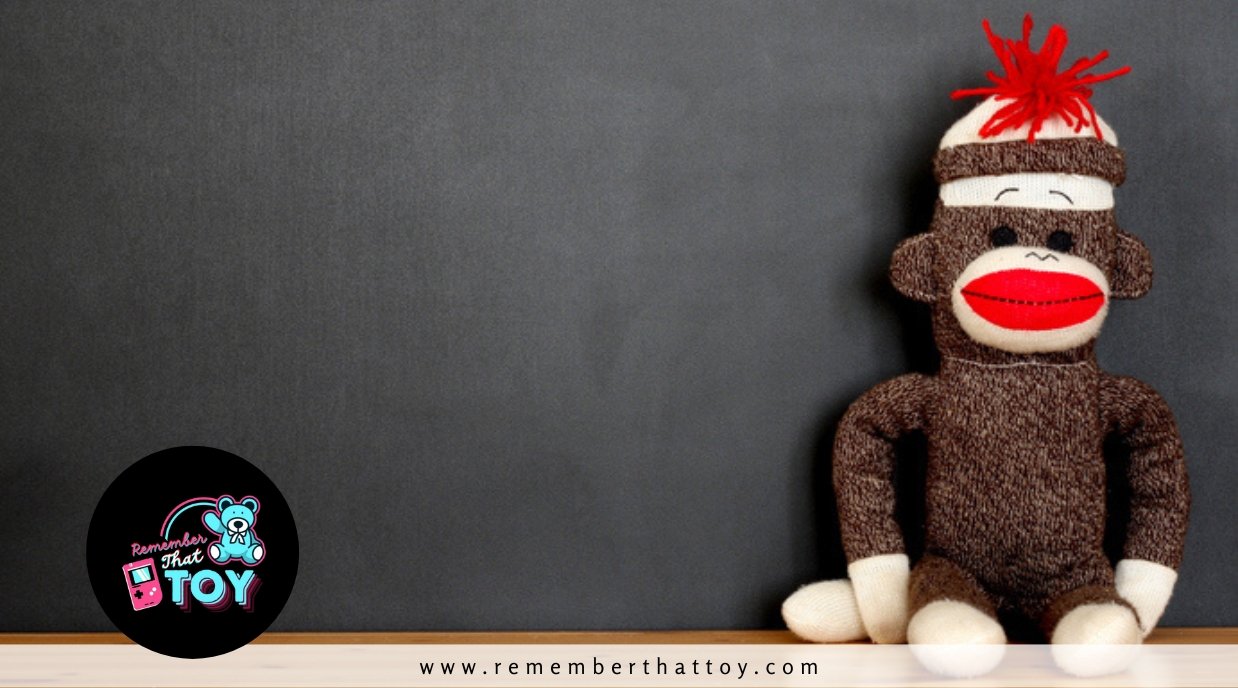
Sock monkeys, born out of resourcefulness during the Great Depression, have a rich history that traces back to Rockford, Illinois, in the early 20th century. In 1919, mothers seeking affordable toys for their children repurposed old socks, crafting playful companions that embodied creativity amidst economic hardship.
The iconic Red Heel Sock Monkey emerged in 1932, gaining popularity thanks to the Rockford Red Heel socks produced by the Nelson Knitting Company. These socks featured a distinctive red heel, making them ideal for transformation into beloved toys. The design became so popular that it inspired countless mothers to create their own sock monkeys.
Cultural Significance
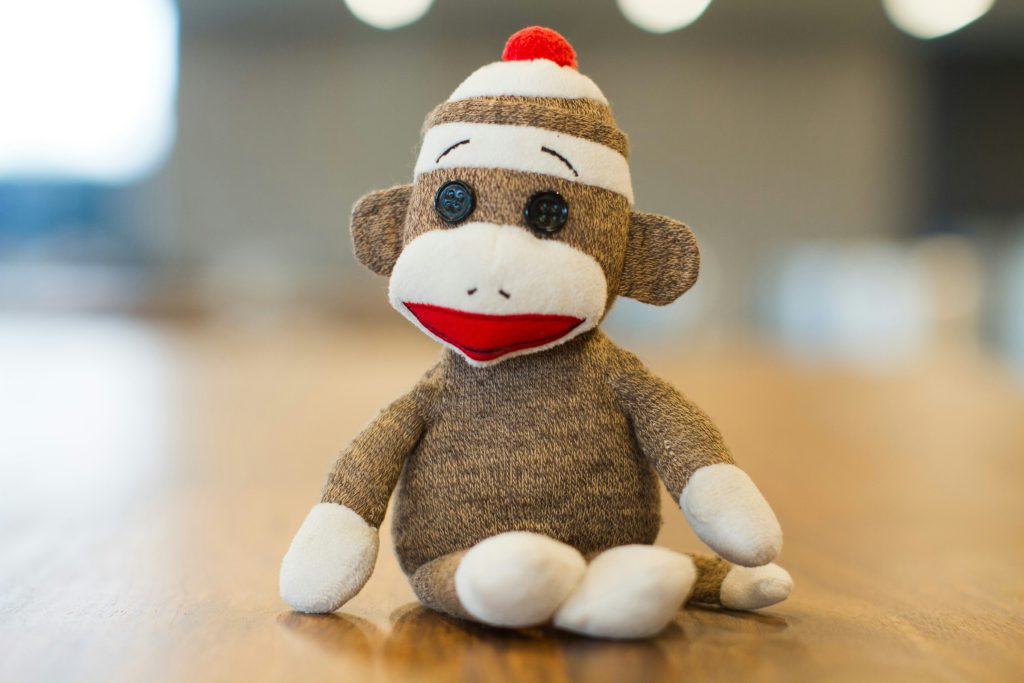
During the Great Depression, resourceful mothers transformed discarded socks into beloved toys, showcasing their ingenuity in challenging times. The sock monkey emerged as a symbol of resourcefulness, embodying the spirit of making stuffed animals from readily available materials. These cherished companions provided comfort and joy, highlighting how love and care can turn humble items into valued treasures.
Each sock monkey reflected its maker’s creativity, featuring unique designs that resonated with children. This transformation of old hosiery into cuddly toys not only provided entertainment but also emphasized the strong personal connection between the creator and the child. In a world marked by scarcity, these handmade creations symbolized childhood, reminding us of the joy found in simple pleasures.
Nostalgia Across Generations
Nostalgia for sock monkeys spans generations, evoking cherished childhood memories and highlighting a connection to simpler times and resourceful creativity. Reflecting on vintage sock monkeys reveals them as more than mere playthings; they carry cultural significance that resonates through American popular culture.
| Period | Cultural Significance |
|---|---|
| 1930s | Symbol of comfort during the Great Depression |
| 1950s-1970s | Collectibles in post-war America |
| 2000s | Resurgence in popularity via media |
| Present Day | Community initiatives like Sock Monkey Ministry |
Classic Design Features
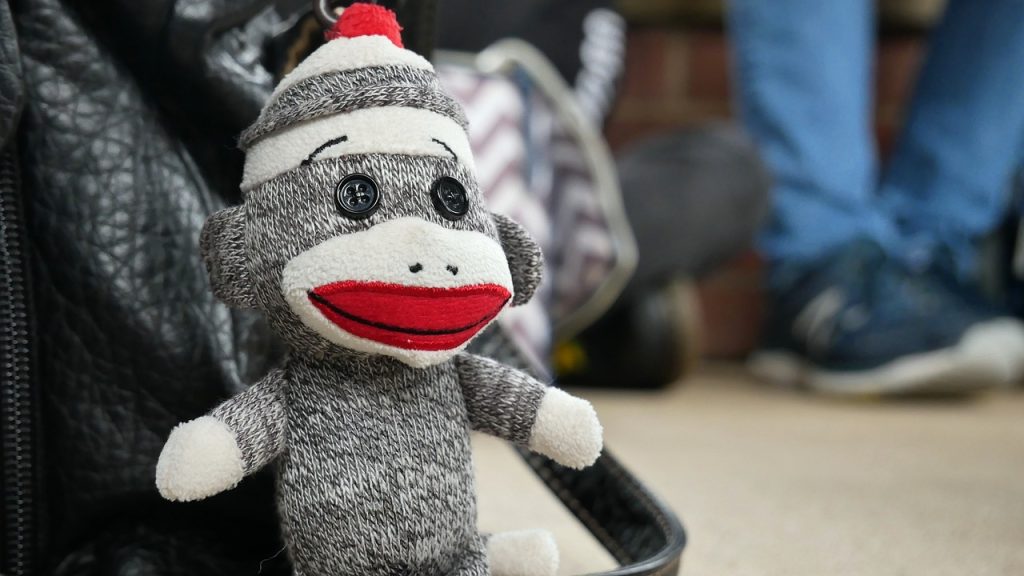
The classic sock monkey design embodies simplicity and creativity, featuring a body made from brown and white socks that immediately captures attention. The iconic Red Heel Sock Monkey, introduced in 1932 by the Nelson Knitting Company, stands out with its trademark red heel, adding both authenticity and charm to this beloved stuffed toy.
Key design elements include long arms, long legs, and a long tail, creating a silhouette that evokes nostalgia. Crafting these sock monkeys aligns with the values of the Arts and Crafts movement, emphasizing handmade artistry and creativity. The techniques for assembling sock monkeys have remained largely unchanged over the years, preserving their handcrafted charm.
As vintage sock monkeys gained popularity, particularly models from the 1950s and 1970s, they became collectible treasures. Collectors value these pieces not just for their craftsmanship but also for their cultural significance, making each sock monkey a delightful reminder of simpler times and cherished memories.
Modern Customization Trends
Modern sock monkeys exhibit a vibrant array of personalized designs that reflect their creators’ unique styles and preferences. These contemporary versions often feature customized designs made from diverse fabrics, colors, and accessories, giving each one a personal touch. Crafters have moved beyond traditional red-heeled socks, embracing materials like patterned fabrics and upcycled clothing to create unique variations.
The rise of social media platforms has amplified this trend, enabling connections within a community of creators eager to share their inventive designs and techniques. Whether you’re aiming to tailor a sock monkey for a specific theme, such as a holiday or personal milestone, the options are endless. This customization makes them popular as gifts and collectibles.
Sock Monkeys as Collectibles
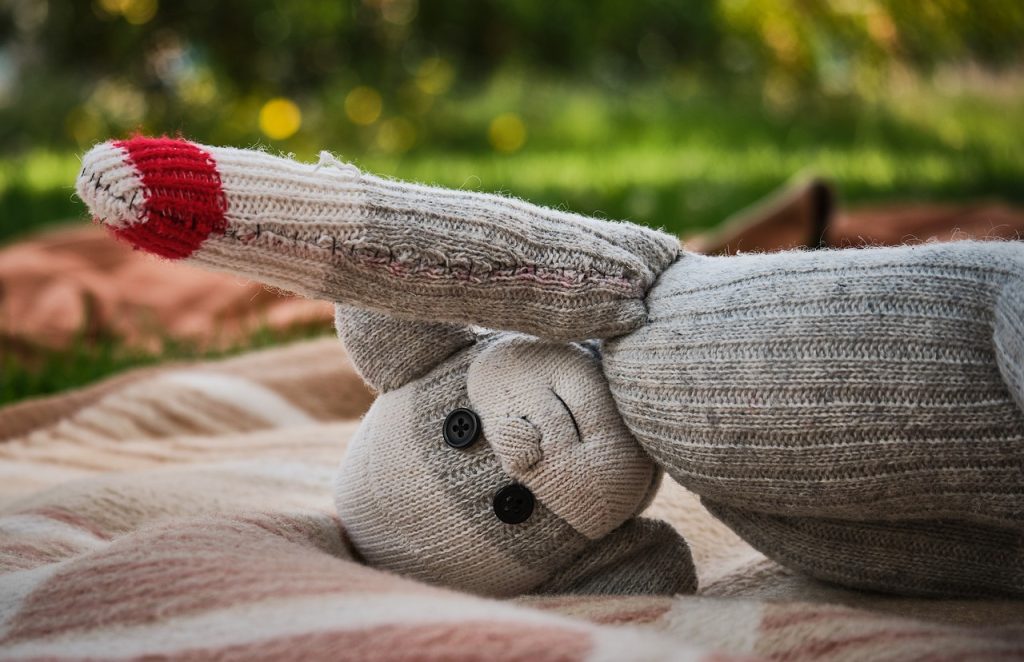
Sock monkeys have evolved into cherished collectibles, attracting enthusiasts who appreciate their unique craftsmanship and nostalgic charm. Vintage sock monkeys, particularly those from the 1950s to 1970s, are sought after for their historical significance and distinctive features, such as the iconic red heel and specific sock patterns. These characteristics help date and determine the value of each sock monkey, making them highly coveted among collectors.
The growing demand for rare and vintage sock monkeys has created a thriving market, with some pieces selling for hundreds of dollars among dedicated collectors. Numerous online communities and forums exist where enthusiasts can share tips on sourcing, crafting, and maintaining their collections, fostering a sense of connection among those passionate about preserving the legacy of sock monkeys.
Community and Enthusiast Culture
Enthusiasts of sock monkeys form a vibrant community, sharing their passion through conventions, online forums, and social media platforms. Events like the Sock Monkey Madness Festival celebrate the rich history of these beloved toys, offering activities and educational programming that engage both kids and adults. Collectors eagerly share crafting tips and stories about their vintage sock monkeys, particularly those from the 1950s to 1970s, which are prized for their unique features.
Moreover, initiatives like the Sock Monkey Ministry highlight the community’s commitment to giving back. They donate handmade sock monkeys to soldiers, terminally ill individuals, and abused children, reflecting the community’s emphasis on support and compassion. This commitment transforms the sock monkey into more than just a toy; it becomes a symbol of care and connection, intertwining history, nostalgia, and empathy within the community.
Festivals and Celebrations
The Sock Monkey Madness Festival, held annually at Midway Village Museum since 2005, celebrates the charm and history of sock monkeys, attracting thousands of visitors each year. This lively festival highlights the cultural significance of the beloved sock monkey through engaging activities and exhibits.
One of the main attractions is the Sockford General Hospital, where children can have their sock monkeys repaired, adding a personal touch to the experience. Another notable feature is the display of the original sock monkey that was crucial in securing the patent for the Nelson Knitting Company, underscoring its historical importance.
In 2009, the festival received the national Leadership in History Award of Merit for its outstanding educational programming and community engagement. A must-see at the festival is the largest sock monkey, a spectacle that captures the imagination of visitors of all ages.
Crafting and Creativity
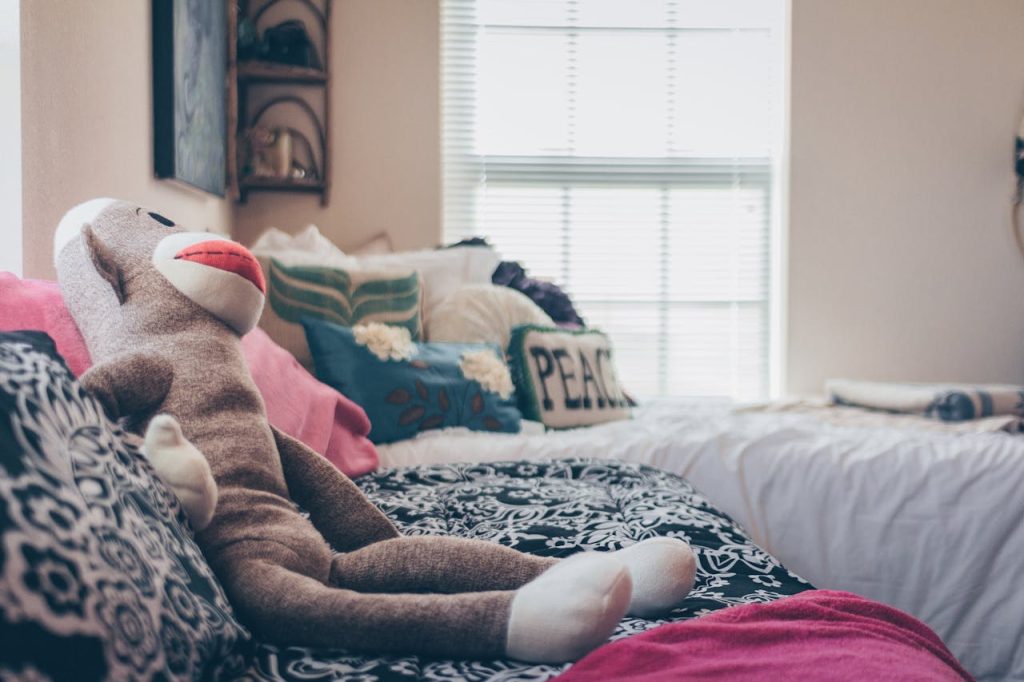
Crafting sock monkeys sparks creativity and allows you to explore your unique style through vibrant patterns and distinctive designs. The beauty of making a sock monkey lies in the variety of socks you choose. While the classic sock monkey is traditionally brown, you can experiment with different colors and patterns to create something truly unique.
Here’s a simple overview of sock monkey crafting:
| Step | Description | Tips |
|---|---|---|
| Sock Selection | Choose socks that inspire you | Look for fun patterns |
| Assembly | Follow guidelines from CraftPassion | Pay attention to details |
| Customization | Add unique features like buttons or embroidery | Let your style shine |
| Finishing Touches | Ensure everything is secure and neat | Check proportions |
As you sew, you’ll not only develop your crafting skills but also express your personality. Every stitch and color choice contributes to a sock monkey that reflects your creativity. Whether you stick to traditional brown or opt for bold hues, crafting allows you to embrace your CraftPassion and create something special.
Conclusion
Sock monkeys have become a popular collectible due to their charming simplicity, nostalgic appeal, and rich history. Originating from the early 20th century, these handcrafted toys were initially made from Rockford Red Heel socks, which added a distinctive look to the monkeys. Their handmade nature and connection to the Great Depression era, when families crafted toys from available materials, give them a unique sentimental value.