What Makes Neodymium Magnet Toys So Fascinating for Kids?
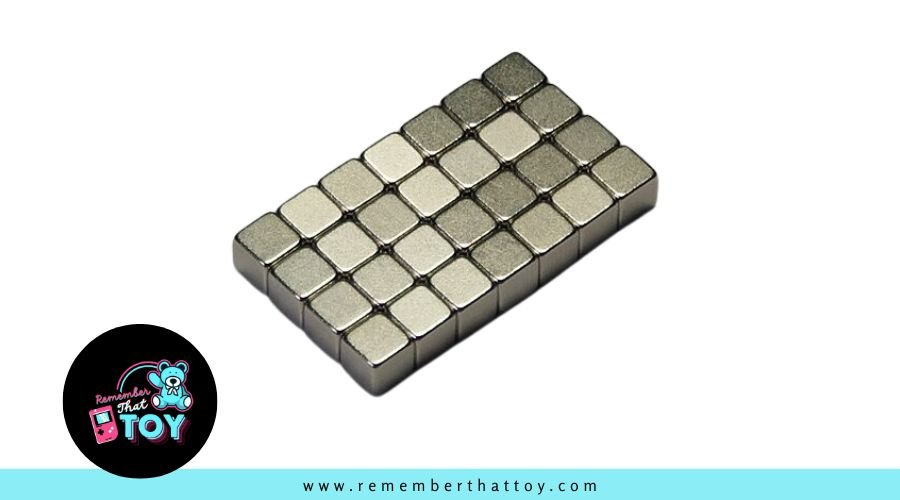
Neodymium magnets are renowned as the strongest permanent magnets available, due to their unique composition of neodymium, iron, and boron. This combination results in a magnetic field that can be up to 1,000 times stronger than that of traditional ferrite magnets. This exceptional strength broadens their applications, particularly in educational physics toys.
Utilizing neodymium magnets in educational tools allows for interactive engagement with fundamental principles of magnetism. These magnets readily attract and repel each other, facilitating the exploration of concepts such as polarity and magnetic forces. The tactile feedback of their "click" when connecting enhances the learning experience, making it both enjoyable and effective.
However, the potent strength of neodymium magnets necessitates attention to safety, as they can pose choking hazards for small children. Adhering to safety regulations in toy manufacturing is essential. Overall, the science behind neodymium magnets not only transforms toys but also fosters curiosity and creativity in understanding the laws of physics.
Buckyballs: A Cultural Phenomenon
Buckyballs rapidly captivated both children and adults with their magnetic allure and limitless potential for creative play. Composed of robust neodymium magnets, these small spheres provided a distinctive hands-on experience that ignited imagination and innovation. Users could effortlessly craft intricate structures or simple shapes, making them a beloved choice across various age groups.
Here are three reasons why Buckyballs became a cultural phenomenon:
- Versatile Play: Suitable for constructing geometric designs or serving as a stress-relief fidget toy, Buckyballs offer endless engagement.
- Compact Packaging: Their innovative cube-shaped container made storage and transport easy, ideal for on-the-go creativity.
- Cultural Impact: Despite safety concerns resulting in recalls, Buckyballs retained a loyal fanbase, demonstrating how a simple concept can captivate the public imagination.
In a digitally dominated world, Buckyballs stood out as a tactile experience in the realm of magnetic toys, fostering creativity and social interaction among users.
Educational Benefits of Magnetic Toys
Magnetic toys, such as neodymium sets, enhance cognitive skills by promoting problem-solving and creativity through open-ended play. Manipulating these toys also improves fine motor skills and hand-eye coordination. Additionally, these hands-on experiences facilitate the understanding of fundamental STEM concepts, making learning both enjoyable and effective.
Cognitive Skill Development
When children engage with these innovative toys, they not only have fun but also develop essential cognitive skills through hands-on problem-solving and creative exploration. The strong neodymium magnets in these toys make connecting pieces easy and satisfying, allowing kids to immerse themselves in building and experimenting. Here's how these magnetic toys enhance cognitive skill development:
- Problem-Solving: By manipulating magnets to create structures, kids encounter challenges that require critical thinking and inventive solutions.
- Fine Motor Skills: Accurately positioning and connecting the magnetic pieces helps improve hand-eye coordination and dexterity, essential for everyday tasks.
- Creativity: Open-ended play encourages imaginative thinking as children investigate different configurations, fostering a sense of resourcefulness.
These educational magnetic toys often incorporate STEM principles, making them not just fun but effective learning tools. The tactile and visual experiences they provide transform abstract concepts into engaging activities. As children experiment with these strong magnets, they're not just playing; they're building foundational skills that will benefit them throughout their lives.
Hands-On Learning Experiences
Playing with neodymium-magnet toys offers children an engaging way to learn through hands-on experiences that build essential skills. Manipulating these toys enhances fine motor skills and spatial awareness, as children engage in tactile exploration. Connecting different pieces fosters problem-solving and critical thinking, allowing kids to experiment with various configurations and structures.
These magnetic toys also inspire creativity by enabling kids to design an array of geometric forms, encouraging resourceful thinking. The interactive learning environment these toys create makes complex concepts more approachable. For example, educational tools like Magneview Film visually demonstrate physics principles such as magnetic fields, transforming abstract ideas into tangible experiences.
Incorporating STEM principles into magnetic toy design helps children develop competencies in science, technology, engineering, and mathematics from an early age. Engaging with these toys not only provides fun but also builds a strong foundation for future learning. Ultimately, neodymium-magnet toys serve as powerful educational tools, combining play with fundamental skill development to make learning both enjoyable and effective.

The Role of Safety Regulations
The U.S. Consumer Product Safety Commission (CPSC) enforces strict guidelines, including limits on magnet strength and size to prevent ingestion risks. For instance, the CPSC's recalls of certain magnetic toys in 2014 underscored the importance of adhering to these regulations to maintain consumer trust. International safety standards, such as those from the American Society for Testing and Materials (ASTM), also provide essential frameworks that manufacturers must follow.
As consumer expectations rise, parents increasingly seek toys that comply with safety regulations, influencing their purchasing decisions. This heightened awareness has driven manufacturers to prioritize safety testing and compliance, ensuring that products are both fun and safe for children. By adhering to these safety regulations, the industry can build consumer confidence and continue to innovate responsibly.
The Rise of Collectible Magnetic Toys
Emerging in the 1990s, collectible magnetic toys like Buckyballs captivated both children and adults with their ability to create intricate designs and foster imaginative play. These toys quickly became a staple in the collectible trends of the period, appealing to a wide audience due to their innovative design, which utilizes powerful neodymium magnets for endless creative possibilities.
Here are three key reasons for their popularity:
- Themed Sets: Brands released limited edition or themed sets, enticing collectors to complete their collections.
- Community Engagement: Online platforms and forums blossomed, allowing enthusiasts to share designs, tricks, and experiences, fostering a sense of belonging.
- Educational Value: These toys promote fine motor skills and spatial reasoning, making them popular among parents and educators.
Exploring the world of collectible magnetic toys reveals a blend of creativity and community that continues to inspire both seasoned and new collectors. The rise of these toys underscores how engaging play can lead to lasting connections and a thriving market presence.
Nostalgia for 1990s Toys
Nostalgia for 1990s toys, particularly innovative magnetic sets like Buckyballs, has ignited a renewed interest among adults eager to relive the imaginative play of their youth. You might find yourself drawn to these retro collections, keen to revisit the creative experiences that marked your childhood. Many adults reminisce about those carefree days spent constructing intricate designs with magnetic toys, celebrating the joy of childhood play.
Conclusion
Neodymium magnet toys captivate children with their unique combination of science and play. Their strong magnetic properties allow for creative construction and exploration, sparking curiosity and enhancing problem-solving skills. These toys provide hands-on learning experiences, enabling children to understand magnetic forces and principles through interactive play. The ability to build intricate structures and experiment with various shapes and patterns adds an educational dimension to the fun.