What Makes Fisher-Price Little People a Timeless Toy Choice for Parents?
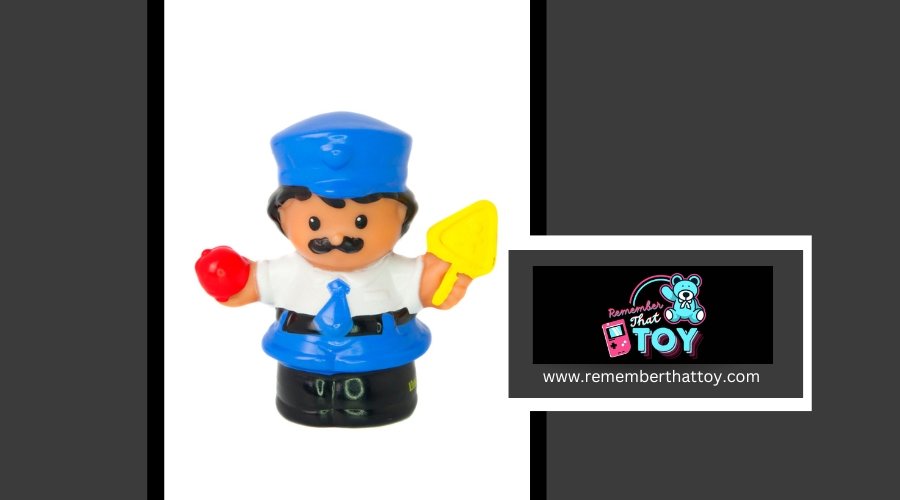
Fisher-Price Little People originated in the early 1950s as charming, barrel-bodied figures designed to spark imaginative play in preschool children. The initial set, part of the #600 Woodsey Cart toys, featured simple, rounded wooden figures. This innovation aimed to provide children with engaging toys that encouraged creativity and storytelling.
In 1959, the official Little People line was launched, including a family of four and a dog. These classic toys quickly became favorites, allowing kids to create their own narratives. The name "Play Family" emerged in 1965, encapsulating the essence of these figures as representations of everyday life and relationships.
As demand grew, Fisher-Price transitioned from wood to plastic to improve durability and safety. This change ensured that Little People figures could withstand rigorous play while remaining safe for young children. By 1985, "Little People" became a trademarked brand name, highlighting their beloved status among families. Over the decades, approximately 800 million Little People have been sold, significantly impacting the toy market and children's play experiences.
Design and Safety Features
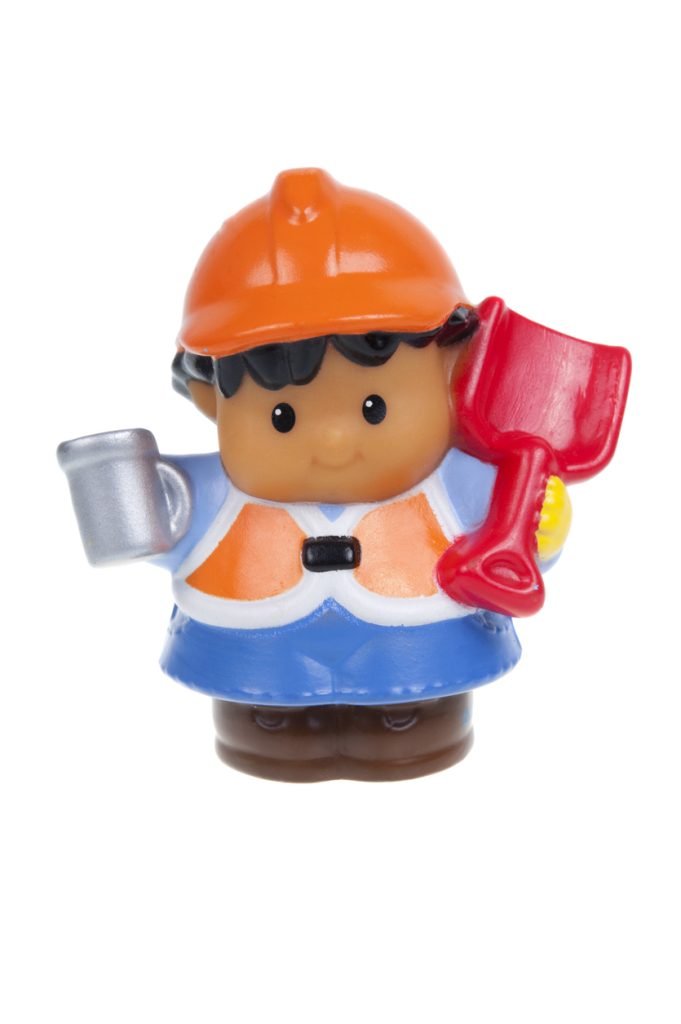
Fisher-Price has continually improved the design of Little People to enhance safety features, ensuring that playtime remains both enjoyable and secure for children. The company has addressed safety concerns over the years, particularly regarding the choking hazards associated with the Original Little People figures.
In 1991, Fisher-Price introduced Chunky Little People, which were designed to be wider and made from softer materials to mitigate these risks. Although some considered the design too babyish, it was a significant step toward safer toy designs. By 1997, the introduction of Articulated Little People, featuring distinct limbs and rubber-like materials, further enhanced playability without compromising safety.
To promote safe play, Fisher-Price launched the Family Alert Program in the 1990s, aimed at educating parents on supervision and appropriate toy choices. Key safety innovations include:
- The shift from Original Little People to Chunky Little People
- The development of Articulated Little People with improved materials
- The implementation of the Family Alert Program for parent education
- Ongoing collaboration with consumer advocacy groups
Fisher-Price's commitment to safety reflects their dedication to creating secure and engaging toys for children.
Design Evolution and Features
The evolution of Fisher-Price Little People toys reflects a thoughtful blend of creative design and enhanced safety features, catering to children's play needs while addressing parental concerns. Introduced in 1959, the original Little People were simple, rounded wooden figures. As safety standards evolved, the transition to plastic in the 1960s improved both durability and safety for preschoolers.
In 1965, the peg design was introduced, allowing compatibility with various playsets. However, this design was retired due to safety concerns highlighted in the 1986 book 'Toys That Kill.' To mitigate choking hazards, Fisher-Price introduced Chunky Little People in 1991, featuring wider designs made from softer materials. While some critics found these designs overly simplistic, they addressed significant safety concerns.
The design continued to evolve, and in 1997, Fisher-Price introduced articulated figures with movable limbs and detailed features, enhancing the depth of play scenarios. Fisher-Price's commitment to safety and innovation ensures that each new character and playset adheres to modern safety standards, often incorporating sustainable materials. This dedication not only meets the contemporary needs of children but also reassures parents that their children can engage in imaginative play safely.
Imaginative Play Promotion
Since their debut in 1959, Fisher-Price's Little People have inspired countless children to engage in imaginative play, creating vivid stories and social interactions that enhance creativity and personal expression. Designed to promote investigation and role-playing, these iconic characters have become a staple in childhood development. The original set and subsequent playsets, such as the Play Family Farm, introduced children to various themes and environments, stimulating their imagination and storytelling skills.
Key aspects of Little People's impact include:
- Encouragement of Social Interaction: Characters like Mom, Dad, and Lucky the dog foster family dynamics in play.
- Varied Playsets: Multiple themes allow kids to explore different scenarios, enhancing creativity.
- Cultural Significance: Induction into the National Toy Hall of Fame in 2016 highlighted their lasting influence.
- Modern Relevance: Collaborations with franchises like Disney and Marvel keep Little People fresh and appealing to new generations.
Through imaginative play, Little People continue to shape childhood experiences, leaving a legacy that resonates with both kids and collectors alike.
Nostalgia and Collectibility
Nostalgia for Little People evokes cherished childhood memories, making these beloved figures highly collectible among enthusiasts and casual fans alike. Since their debut in 1959, Little People have solidified their status as a cultural icon, representing imaginative play for generations. The appeal of Classic Little People, especially those made before 1990, has skyrocketed, with some vintage items fetching substantial prices on the collectors' market.
| Category | Description | Collectibility |
|---|---|---|
| Vintage Items | Classic Little People from pre-1990 | Highly sought after |
| Popular Franchises | Collaborations with Sesame Street, Disney | Increased demand and relevance |
| Fisher-Price Club | Online communities fostering nostalgia | Connection among collectors |
| Cultural Impact | Over 2 billion figures sold in 60+ countries | Iconic status in toy history |
Collectors not only value these figures but also celebrate their role in imaginative play. The Fisher-Price Collectors Club and online forums serve as vibrant platforms for sharing passion, making Little People a timeless part of toy culture. Whether you're a dedicated collector or a casual fan, the nostalgia surrounding Little People is undeniable.
Iconic Characters and Playsets
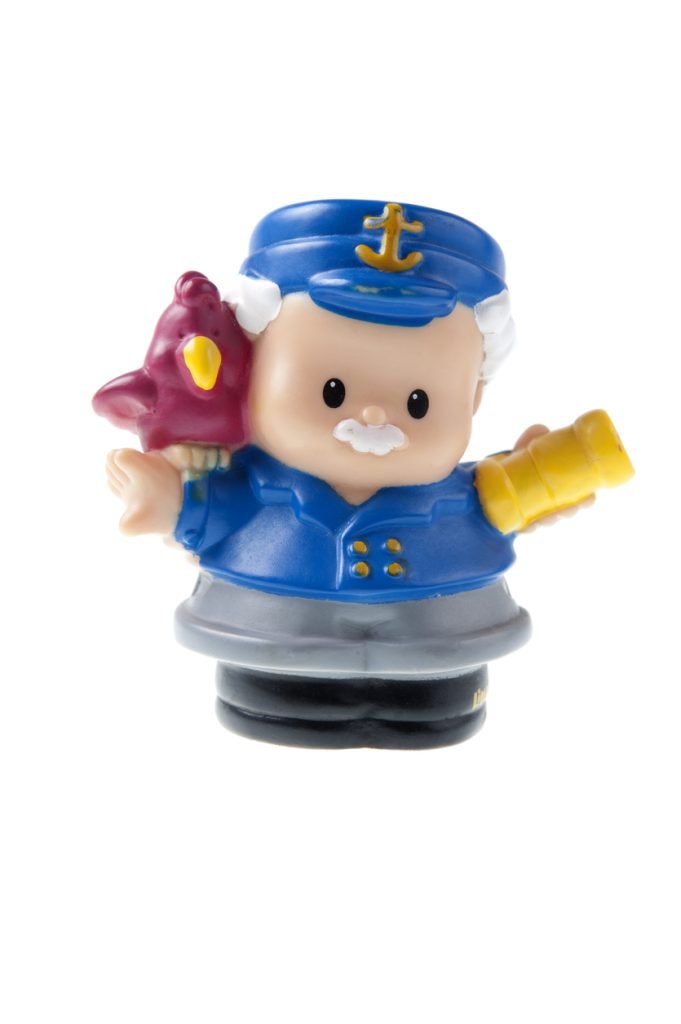
The introduction of the Play Family line in 1959 brought to life a set of relatable characters that sparked children's imaginations and fostered creative role-playing. These iconic characters—Mom, Dad, their children, and Lucky the dog—created a family dynamic that resonated with kids everywhere. The appeal of Little People lies in their simplicity and ability to encourage imaginative play.
Fisher-Price expanded this universe with a variety of playsets that complemented the characters, including:
- The 1968 Play Family Farm, the initial Play and Carry set
- The classic Play Family House, a staple of many childhoods
- The Action Garage, where kids could create their own adventures
- The 1975 Sesame Street playset, merging education with beloved characters
These playsets not only provided a backdrop for role-playing but also invited children to personalize their experiences. Many kids renamed characters during play, like calling Lucky the dog 'Snoopy' or 'Fido.' This level of engagement allowed children to express their creativity and explore different scenarios, solidifying the Little People brand as a cornerstone of imaginative play for generations.
Market Influence and Imitation
Fisher-Price's Little People have significantly influenced the toy market, driving competitors to imitate their success. With over 800 million units sold, the brand's robust market presence has attracted imitators such as PlaySkool and Illco. These competitors underscore the profound impact Little People have had on the industry, presenting Fisher-Price with the challenge of maintaining brand integrity amid unauthorized replicas.
To stay competitive, Fisher-Price has embraced innovation and formed strategic partnerships, ensuring the brand's continued relevance. Collaborations with popular franchises like Disney and Marvel demonstrate their commitment to evolving consumer preferences. Additionally, the legacy of Little People has set standards in toy design and safety regulations, underscoring the role of consumer advocacy in product safety.
Key aspects of this market influence include:
- Competitors launching similar products
- Challenges in protecting brand integrity
- Ongoing innovation to stay relevant
- Adherence to evolving safety regulations
Through these efforts, Fisher-Price Little People continue to lead the toy industry, demonstrating that their legacy extends beyond nostalgia to a lasting impact on the market.
Collecting Fisher-Price Little People
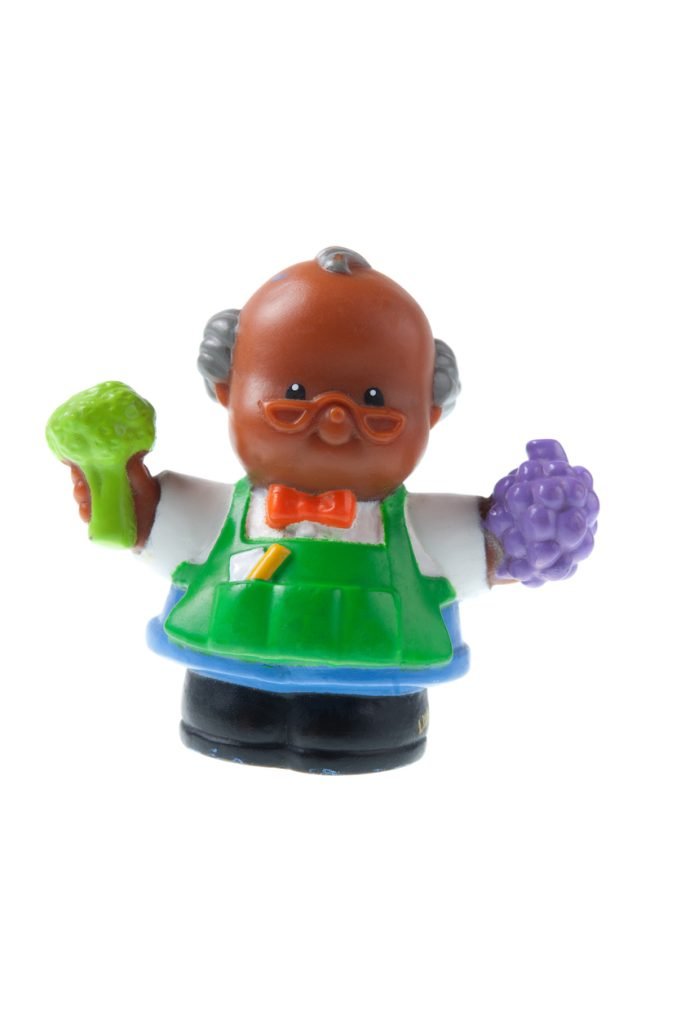
Collecting Fisher-Price Little People has become a rewarding hobby for many enthusiasts, particularly those who focus on sets from before 1990. These vintage items are highly sought after due to their craftsmanship and historical significance. As a collector, you'll find that the market values of these classic sets can be considerably higher than those produced later.
To get started, consider these tips:
- Join the Fisher-Price Collectors Club: Connect with fellow collectors through newsletters like Gabby Goose and attend annual conventions.
- Explore flea markets and yard sales: You might find hidden gems among the vintage items, often at a fraction of their market value.
- Utilize resources: Websites like 'This Old Toy' and Brad Cassity's book offer valuable insights into identifying and dating your Fisher-Price Little People.
- Focus on classic figures: While some collectors are interested in Chunky Little People sets, classic figures from the earlier period remain the most desirable.
Conclusion
Fisher-Price Little People have truly stood the test of time, blending creativity and safety to resonate with generations. Their iconic designs and relatable characters foster imaginative play, making them a beloved staple in toy collections worldwide.