What Makes Cabbage Patch Kids So Iconic in Toy History?
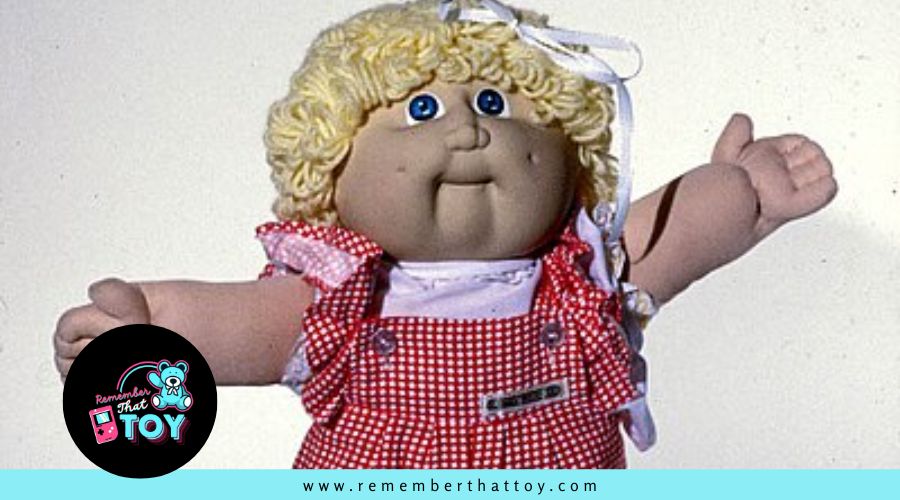
The 1980s saw Cabbage Patch Kids, created by Xavier Roberts in 1983, quickly became iconic dolls known for their unique designs and individual personalities. Each doll featured a pudgy face, dimples, and a charming backstory that made them even more special. When adopted, each doll came with an adoption certificate, enhancing the personal connection and making it feel like you were welcoming a new family member.
The allure of Cabbage Patch Kids lay in their marketing as 'adoptable' beings born in a whimsical Cabbage Patch. This imaginative narrative captured the hearts of children and parents alike, transforming these dolls into a cultural phenomenon. Their popularity skyrocketed during the 1983 holiday season, making them a must-have item.
Each Cabbage Patch Kid was not just another toy; they came with individuality emphasized by Xavier Roberts' name tattooed on their bottoms. This detail reinforced the idea that each doll had its own unique story, further endearing them to their owners. The combination of charm, creativity, and emotional connection solidified Cabbage Patch Kids as a beloved part of 1980s pop culture.
Origins of the Doll Craze
The creation of Cabbage Patch Kids by artist Xavier Roberts in the 1970s was driven by a unique vision that combined artistry with a heartfelt adoption theme. Roberts crafted each doll as a handmade soft sculpture, giving them distinct personalities that resonated with children and parents alike. Initially marketed as 'The Little People,' these dolls stood out during the holiday season by emphasizing emotional connections over traditional sales tactics.
| Artistic Element | Description |
|---|---|
| Unique Names | Each doll received a name from Georgia birth records, ensuring individuality. |
| Babyland General Hospital | Established in 1978, it allowed customers to 'adopt' their Cabbage Patch Kids, enhancing the emotional experience. |
| Community Influence | Feedback from local residents shaped the dolls' designs, merging storytelling with craftsmanship. |
As you shopped for gifts during the bustling holiday season, the allure of Cabbage Patch Kids lay not just in their appearance but in the heartfelt narrative behind each creation. These artistic beginnings sparked a doll craze that captured the hearts of many, setting a new standard for toy-making.
Adoption Theme Significance
Marketing these dolls as 'adoptable' forged a personal connection for owners, transforming them into cherished companions rather than mere toys. Each Cabbage Patch Kid came with adoption papers, making the experience feel genuine and special. This unique concept resonated deeply with families, allowing children to engage emotionally with their dolls. Instead of merely playing, kids felt responsible for their 'adopted' friends, nurturing a bond that exceeded typical playtime interactions.
Every doll was given a name derived from Georgia birth records, emphasizing individuality and uniqueness. This attention to detail not only fostered a sense of belonging but also encouraged children to develop their own stories about each doll. The adoption theme allowed Cabbage Patch Kids to stand out from other toys in the 1980s, transforming them into cultural icons.
This innovative marketing strategy enhanced emotional connections and drove the dolls' popularity, solidifying their status as more than just toys. By emphasizing the adoption theme, Cabbage Patch Kids captured hearts and created a lasting legacy that resonated with generations of fans. You weren't just buying a toy; you were adopting a lifelong friend.
View this post on Instagram
During the 1983 holiday season, chaos erupted in stores as parents frantically rushed to grab the scarce Cabbage Patch Kids amid overwhelming demand. Shoppers pushed and shoved through crowded aisles, desperate to secure these coveted dolls. Retailers were unprepared for the frenzy that unfolded, leading to widespread pandemonium in toy stores nationwide. Parents took extreme measures, including: The scarcity of Cabbage Patch Kids became a cultural phenomenon, attracting media attention that further fueled the excitement. News coverage amplified the urgency, and parents went to great lengths to bring home one of these cherished dolls. It wasn't just a toy; it became a symbol of love and devotion, igniting a holiday shopping frenzy that would forever mark the 1980s. The Cabbage Patch Kids craze was more than a trend; it was a memorable chapter in holiday history. Cabbage Patch Kids revolutionized toy marketing and consumer culture in the 1980s, creating a legacy that continues to influence trends today. Their unique adoption concept, complete with names and birth certificates, fostered deep emotional connections between the dolls and their owners, akin to the affection children have long held for classic toys like Raggedy Ann. The dolls garnered significant media attention and spurred a wave of merchandise, solidifying their status as a staple of 1980s childhood. Their marketing strategies, particularly the emphasis on scarcity, have had a lasting impact on consumer behavior. Today, Cabbage Patch Kids remain iconic, with ongoing adaptations and a committed collector community, underscoring their enduring significance in toy design and culture. Groundbreaking marketing strategies catapulted Cabbage Patch Kids to extraordinary success in the 1980s, captivating consumers and creating a cultural phenomenon. A pivotal tactic was the limited availability of these dolls, which generated a sense of urgency, especially during the 1983 holiday season. The adoption theme, featuring individual names and birth certificates for each doll, deepened emotional connections and made each purchase feel unique. Key elements that fueled the Cabbage Patch phenomenon include: This blend of strategies not only boosted sales but also established a lasting legacy in the toy industry. By making each doll feel like a special adoption, Cabbage Patch Kids transformed toy marketing, ensuring their iconic status even today. Emotional connections formed through personal stories and memories tied to Cabbage Patch Kids have made these dolls a cherished part of many childhoods. The thrill of unwrapping your own doll, complete with a birth certificate and an adoption process designed by Xavier Roberts, created a unique bonding experience. This special process made your Cabbage Patch Kid feel like a true family member. Naming your doll something meaningful reflected your individuality and creativity. Sharing and caring for your Cabbage Patch Kids with siblings taught valuable lessons in responsibility and nurturing, deepening your bonds. Recalling these moments evokes nostalgia, bringing back feelings of comfort and innocence that defined your childhood. Even as an adult, the memories of your Cabbage Patch Kid continue to resonate. The simple joys of those days hold a special place in your heart, highlighting how significant these dolls were in shaping your early experiences. The magic of Cabbage Patch Kids endures, reminding you of a cherished time when imagination flourished and your love for your doll knew no bounds. Cabbage Patch Kids aren't just dolls; they're cherished memories that shaped a generation. Their unique artistry and emotional connection left a lasting impact on toy marketing and culture. Many recall the frenzy of '80s shopping days and the passion these dolls ignited. Today, their legacy endures through collectors and new generations, continually reminding us of the joy and love these adoptable friends brought into our lives.The 1983 Holiday Shopping Frenzy
Cultural Impact
Marketing Strategies and Success
Personal Stories and Nostalgia
Conclusion