What Is the History of Matchbox Cars?
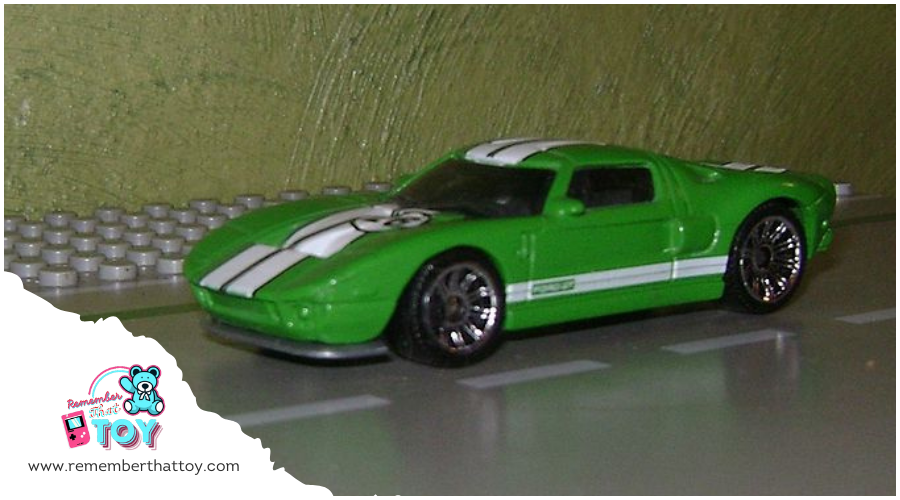
Matchbox cars, introduced in 1953 by Lesney Products, quickly gained popularity for their detailed designs and innovative packaging. These diecast toys, typically at a 1:75 scale, reflected the automotive trends of the 1950s, capturing the essence of post-WWII consumer culture. Manufactured in England, Matchbox cars were known for their meticulous craftsmanship and attention to detail, appealing to both children and collectors.
The unique packaging, resembling small matchboxes, made the cars easy to store and added to their charm. By the 1960s, Lesney had produced over 12,000 unique designs, making the Vintage Lesney models iconic. These miniature vehicles evoke nostalgia, whether raced on the floor or displayed on a shelf.
Collectible Models and Pricing
Collectors are often drawn to vintage Matchbox models not just for nostalgia but also for their varied prices, which can reflect both rarity and condition. Pricing for collectible models can range significantly—from as low as $6.36 to over $366.07. Models in mint condition, especially those still in their original packaging, often command prices that can be ten times higher than well-used versions. If a diecast vehicle is free of paint chips, its value might increase by 50-100%.
Rare finds, like the Matchbox Lesney 74 MOBILE Canteen from 1959, demonstrate how scarcity can drive prices to impressive heights due to their historical significance. Since 2000, the average annual increase in value for rare Matchbox cars has been around 10%, highlighting their investment potential. Limited production runs and unique features, such as color variations or packaging errors, can further enhance a model's collectibility, sometimes increasing its value by up to 1000%.
Market Trends and Insights
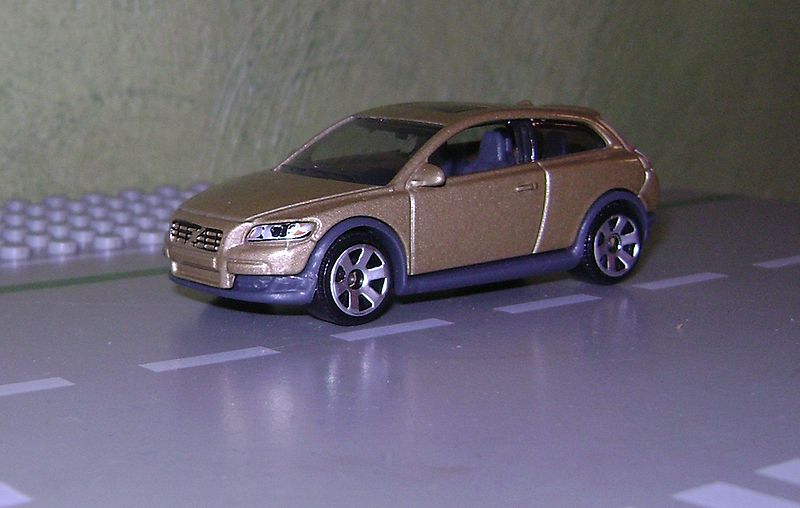
The vintage diecast car market has seen a significant increase in value, fueled by a growing interest in nostalgic collectibles. Since 2000, vintage Matchbox cars have appreciated by approximately 10% annually, underscoring their desirability among collectors. This trend is further evidenced by a 30% rise in the collectible market for vintage diecast cars between 2010 and 2020.
Key insights include:
- Online auctions now account for around 70% of high-value sales in the Matchbox collectible market.
- Mint condition models can fetch prices up to 10 times higher than those that have been played with.
- Limited production runs, especially those with fewer than 1,000 units, can increase a model's value by as much as 1,000%.
These factors underscore the critical roles that condition and rarity play in determining market value. Collectors are eager to acquire these nostalgic items, and online auction platforms enhance accessibility and pricing dynamics. As the market continues to evolve, further appreciation in value for well-preserved and rare vintage diecast cars is expected, making them a worthwhile investment for enthusiasts.
Rarity and Condition Factors
Rarity and condition are crucial in determining the value of vintage toy cars, significantly affecting market prices. For Matchbox Cars, a pristine model in its original packaging can be worth up to ten times more than a played-with version. Discovering an unopened blister pack can increase the value by 400-500%. Intact original boxes also substantially enhance value, sometimes by 200-300%.
Condition is vital; even minor paint chips or scratches can significantly reduce a model's worth. Cars without such wear may be valued 50-100% higher than those showing signs of use. Rarity is another key factor; limited production runs of fewer than 1,000 units can boost a model's value by up to 1,000%.
Additionally, color variations and packaging errors can command impressive prices. Unique features might sell for 5-10 times more than standard versions. When collecting diecast vehicles, always consider these rarity and condition factors to ensure a wise investment in your vintage Matchbox Cars.
View this post on Instagram
Cultural Impact
Matchbox cars have left an indelible mark on toy culture, enchanting children's imaginations and shaping the collectible diecast vehicle landscape for decades. These iconic toys emerged in the post-WWII consumer culture, capturing the essence of imaginative play and automotive history.
- They fostered a love for diecast models that mirrored real-life cars.
- Their nostalgic appeal makes them highly sought after, with rare models fetching impressive prices.
- Matchbox Lesney's groundbreaking marketing created a lasting legacy within adult collector communities.
With the production of over 3 billion cars by 2003, Matchbox Cars have evolved into a symbol of childhood for many. They inspired countless hours of imaginative play and established a deep appreciation for automotive history among young collectors. The nostalgia tied to these vehicles continues to resonate, ensuring that Matchbox Cars remain a beloved part of toy culture and the thriving market of collectible diecast models today.
Conclusion
The history of Matchbox cars is a fascinating journey from humble beginnings to global icon status. Introduced in 1953 by Lesney Products, these miniature vehicles quickly became a staple in children's toy collections worldwide. Known for their detailed craftsmanship and affordability, Matchbox cars captured the imagination of young car enthusiasts and collectors alike.