What Is the History Behind Lego Bricks?
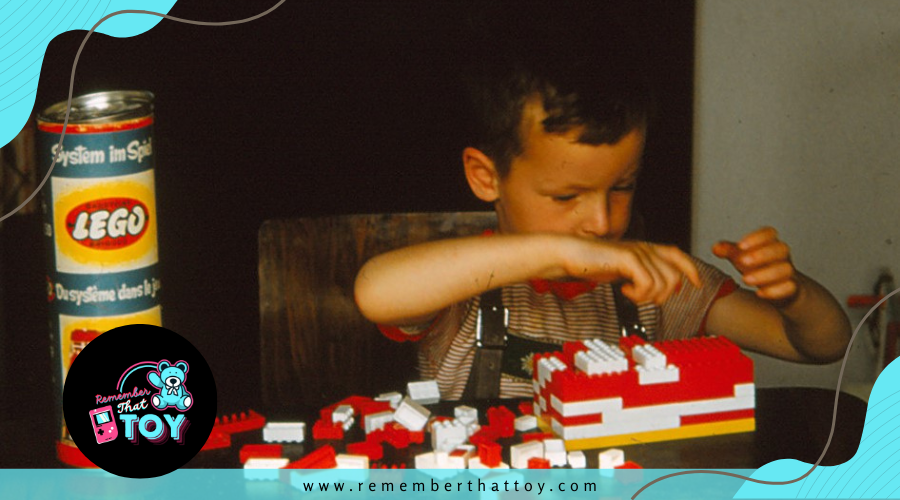
When Ole Kirk Christiansen founded LEGO in 1932, he began with wooden toys, aiming to create high-quality play experiences in Billund, Denmark. His dedication to craftsmanship embodied the Danish spirit of creativity. The name 'LEGO,' derived from the Danish phrase 'leg godt,' meaning 'play well,' captured his mission to offer children engaging and enriching play opportunities.
Initially, LEGO focused on producing wooden toys and household items, ensuring each piece met rigorous quality standards. This commitment laid the groundwork for LEGO's future innovations. In 1949, the company unveiled the Automatic Binding Bricks, a groundbreaking product that heralded a new era in children's play.
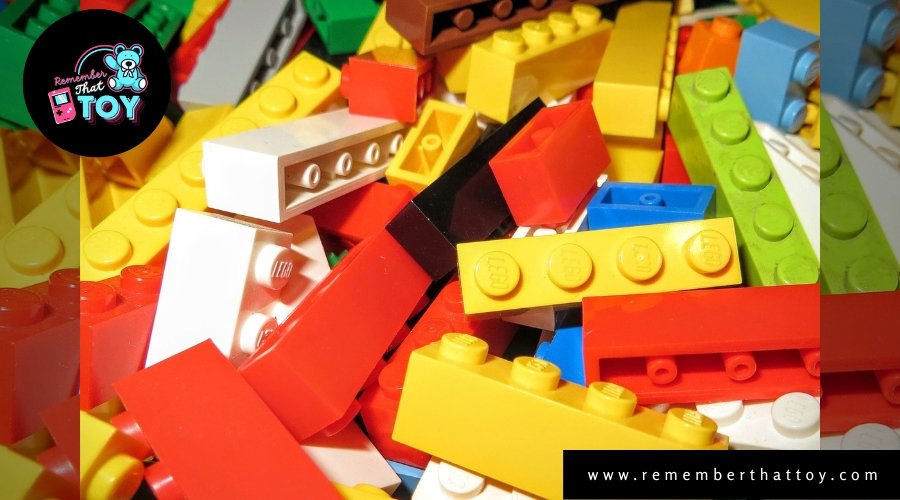
The pivotal moment came in 1958 when LEGO patented its stud-and-tube design, revolutionizing how children could build and create. This design allowed for stable and versatile constructions, enabling imaginations to flourish. Guided by the motto, 'Only the best is good enough,' LEGO's commitment to quality remained unwavering. These formative years not only shaped LEGO's identity but also set the stage for its evolution into a beloved global brand.
Transition to Plastic Bricks
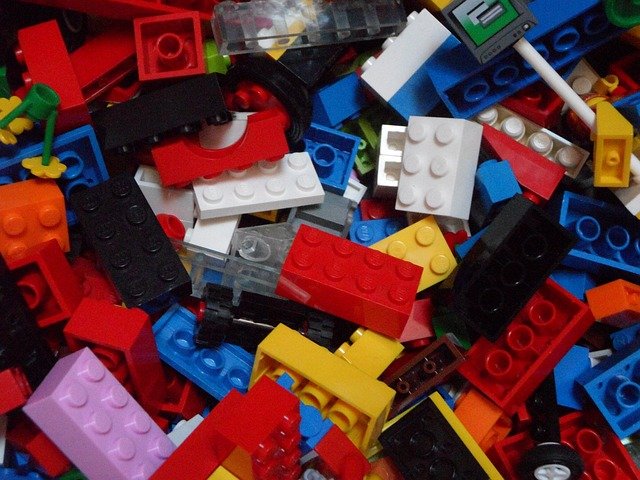
In the late 1940s, LEGO underwent a transformative shift by transitioning from wooden toys to innovative plastic bricks, driven by the potential of interlocking designs that offered limitless creative opportunities. This significant change began in 1947 when LEGO acquired Denmark's first plastic injection molding machine, enabling the efficient mass production of plastic toys. By 1949, LEGO introduced the Automatic Binding Bricks, marking their initial step towards the modern brick design with enhanced interlocking capabilities.
The 1958 patent for the stud-and-tube design further revolutionized this innovation, significantly improving brick connectivity. This design enabled sturdier constructions, allowing builders to create more complex and durable structures. Importantly, LEGO bricks remained compatible with older versions, fostering a sense of continuity and expanding creative possibilities for users across generations.
This shift to plastic not only modernized LEGO's product line but also established its iconic status in the toy industry. By embracing plastic bricks, LEGO captured the imagination of multiple generations, laying the foundation for a legacy that continues to inspire creativity today.
Innovations in Building Systems
LEGO has consistently evolved its building systems, introducing innovative designs that enhance creativity and playability for builders of all ages. The journey began with the Automatic Binding Bricks in 1949, culminating in the 1958 patent of the stud-and-tube design, which significantly improved the connectivity and stability of LEGO bricks. This milestone innovation allowed for more intricate and durable constructions, paving the way for future advancements.
In the 1960s, the introduction of the 'System in Play' ensured compatibility across different sets and themes, fostering a seamless building experience. This concept laid the foundation for diversified product lines, encouraging imaginative play and allowing exploration of countless creative scenarios.
Recent innovations like LEGO Boost underscore the brand's commitment to blending traditional building systems with technology. This system engages users in coding and robotics, offering a unique combination of play and learning.
The Rise of Themed Sets
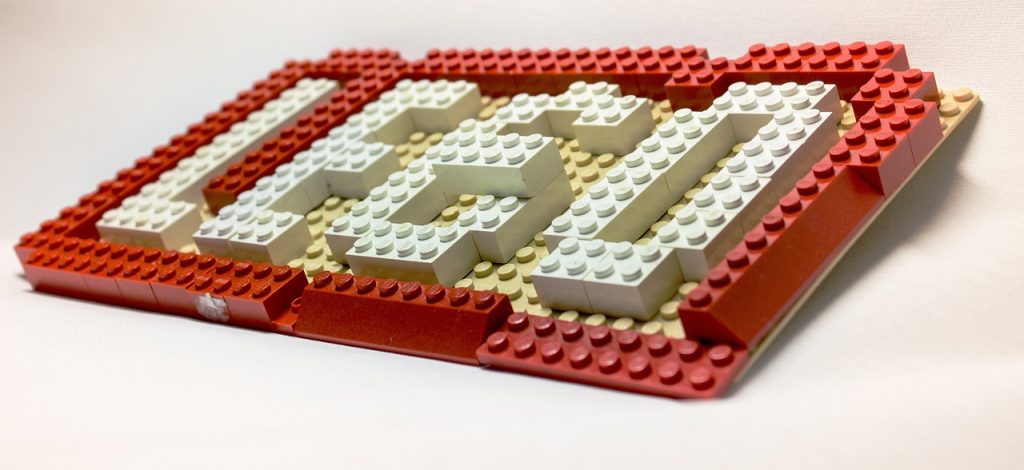
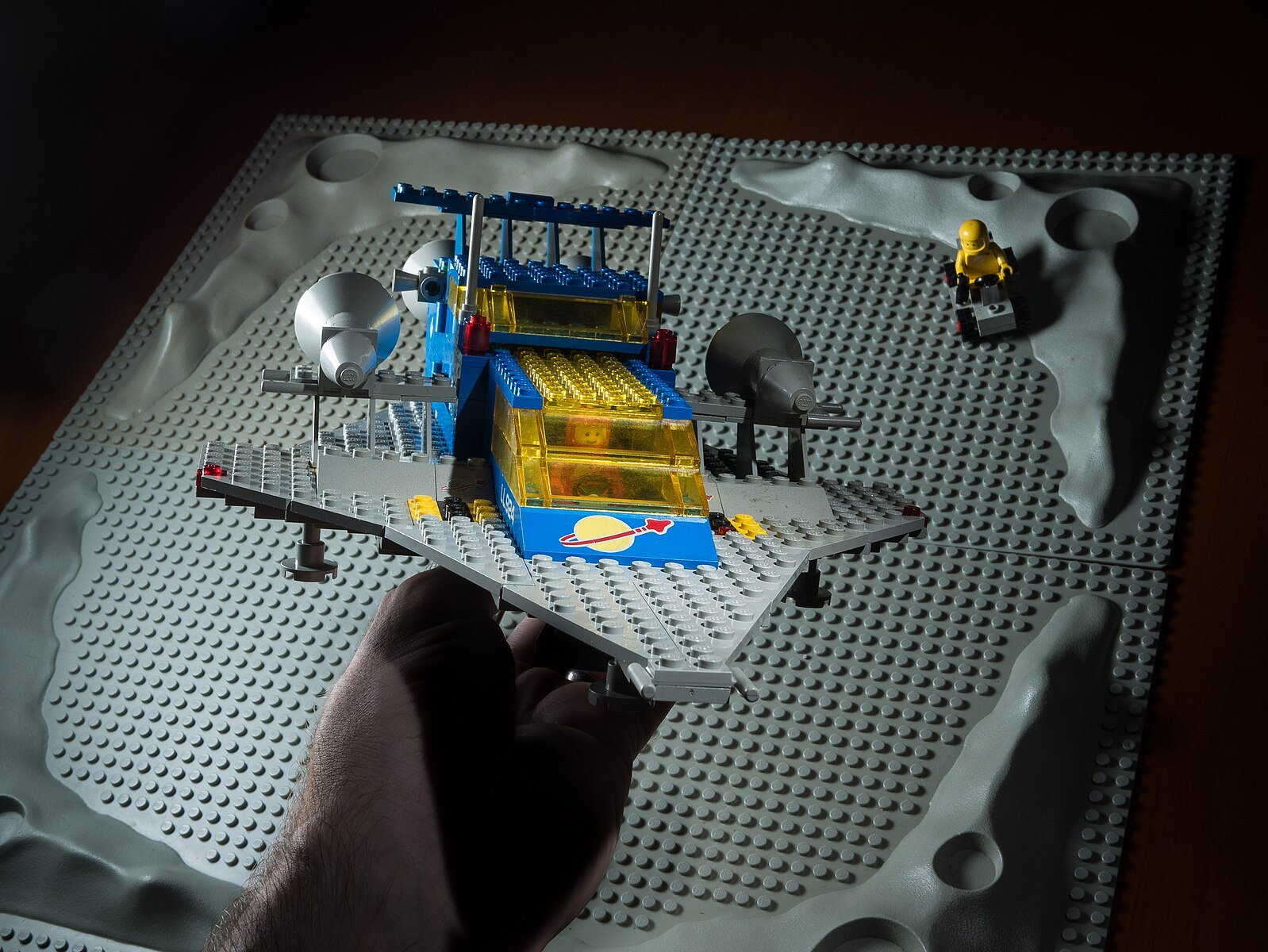
The rise of themed sets has transformed the LEGO experience, allowing builders to dive into immersive worlds inspired by popular culture and imaginative narratives. This transformation began in the late 1970s with the introduction of the Space theme, which expanded creative horizons by incorporating real-world concepts into LEGO builds. The launch of minifigures in 1978 was a pivotal moment, enhancing role-play and bringing stories to life within these imaginative constructs.
Collaborations with major franchises like Star Wars in the late 1990s significantly boosted LEGO's popularity, appealing to both children and adult fans. Themed sets for iconic series such as Harry Potter and Marvel continue to keep the brand relevant, attracting new users eager to explore these creative possibilities.
Cultural Impact and Recognition
Building on the excitement generated by themed sets, LEGO has solidified its status as a cultural icon with widespread recognition and influence across generations. Named the Toy of the Century twice, LEGO has firmly established its prominence in the toy industry. The launch of themed sets, especially those based on franchises like Star Wars and Harry Potter, has significantly boosted LEGO's visibility and relevance in popular culture. This strategic move not only attracts younger fans but also engages adults who cherish the nostalgia and creativity LEGO fosters.
With over 400 billion bricks produced, LEGO's global appeal is undeniable, making it one of the most recognized toy brands worldwide. The more than 15 million annual visits to LEGOLAND parks underscore the brand's significance beyond just toys. Additionally, the vibrant community of Adult Fans of LEGO (AFOLs) highlights LEGO's enduring influence, as these enthusiasts actively participate in events and share their creations. This passionate community, along with the brand's commitment to creativity, ensures that LEGO's legacy continues to thrive, connecting generations and cultures through imaginative play.
Navigating Market Challenges
Facing the expiration of key patents, Lego encountered intense competition from emerging toy manufacturers eager to gain a foothold in the market. These new players threatened Lego's long-standing dominance in the toy construction segment. Despite holding a strong 80% market share in the early 1990s, the mounting pressure was palpable.
The late 1990s brought a significant boost through a strategic licensing agreement with Lucasfilm, introducing Star Wars sets that revitalized Lego's sales and contributed over 15% to its total revenue. However, the early 2000s were challenging, with a 30% decline in sales due to overextension in product lines and retailers complaining about insufficient stock of popular items like Bionicle.
Strategic Refocus and Recovery
Lego tackled its market challenges head-on by strategically refocusing on core products and optimizing operations to regain stability and profitability. In the early 2000s, the company faced a significant 30% drop in sales due to overextension of its product lines. To recover, Lego streamlined operations, eliminating poorly performing lines and honing in on successful ones.
A pivotal moment in this strategic refocus was the successful licensing agreement with Lucasfilm for Star Wars sets, which had already proven vital in the late '90s. This partnership not only bolstered sales but also helped Lego regain over 15% of its market share. By the early 1990s, despite fierce competition, Lego held an impressive 80% market share in the toy construction sector.
Lego's renewed emphasis on classic lines like Bionicle, Star Wars, and Harry Potter, combined with improved operational efficiency, enabled the company to navigate market challenges effectively. This focus on core products led to a gradual recovery and sustained profitability, demonstrating that strategic refocus can pave the way for a brighter future in a constantly changing marketplace.
Leadership and Strategic Refocus
Navigating through market challenges, Kjeld Kirk Kristiansen has orchestrated Lego's strategic realignment, ensuring the company adheres to its foundational strengths while evolving with contemporary play trends. Under his leadership, Lego bounced back from a significant sales decline in the early 2000s by refocusing on its core competencies. The company streamlined its operations, phased out non-essential products, and concentrated on top-performing lines such as Bionicle.
Commitment to Sustainability
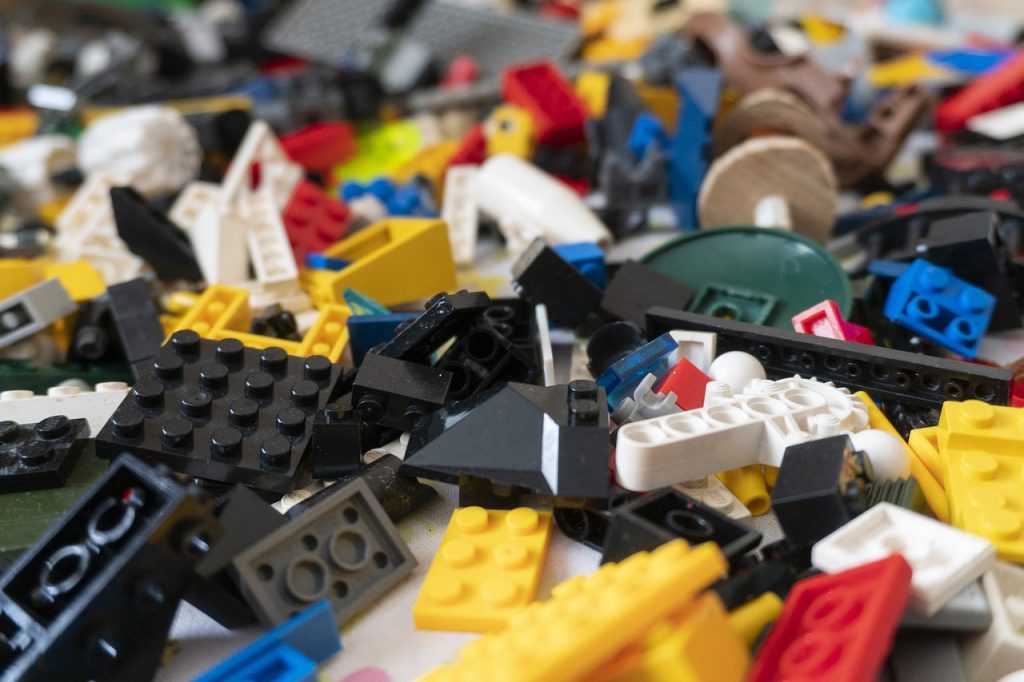
Embracing sustainability, the LEGO Group powers its global operations entirely with renewable energy, significantly reducing its carbon footprint. This commitment to sustainability is evident in numerous initiatives aimed at minimizing environmental impact. By 2025, LEGO plans to use renewable or recyclable packaging for all its products, fostering sustainable practices throughout its supply chain.
A notable example of LEGO's innovative recycling solutions is the development of a prototype LEGO brick made from recycled PET plastic bottles. Additionally, LEGO has established a carbon-neutral factory in Chesterfield County, Virginia, designed to minimize energy consumption and reduce reliance on non-renewable resources. This facility not only underscores LEGO's dedication to sustainability but also provides employment for over 1,760 people.
Here is a summary of LEGO's renewable energy initiatives:
| Initiative | Goal/Target Year | Impact |
|---|---|---|
| 100% Renewable Energy | Ongoing | Reduced carbon footprint |
| Recyclable Packaging | 2025 | Sustainable supply chain practices |
| Sustainable Materials | 2030 | Core products from sustainable materials |
| Carbon-Neutral Factory | Ongoing | Minimized energy consumption |
Through these efforts, the LEGO Group demonstrates its unwavering commitment to sustainability.
Sustainable Material Goals
Continuing its renewable energy initiatives, the LEGO Group is now striving to produce all core products from sustainable materials by 2030. This ambitious goal highlights their commitment to sustainability within the toy industry. Notably, LEGO has already introduced 150 elements made from sustainably sourced Brazilian sugarcane, marking significant progress toward its environmental objectives.
To further minimize its environmental impact, the LEGO Group aims to transition to renewable or recyclable packaging by 2025, aligning with the increasing demand for eco-friendly practices. Innovation is central to these efforts, exemplified by a prototype LEGO brick crafted from recycled PET plastic bottles, demonstrating the company's dedication to incorporating post-consumer materials into future products.
Conclusion
LEGO's journey from wooden toys to iconic plastic bricks exemplifies innovation and creativity. Themed sets and strategic collaborations have cemented its cultural significance, while ongoing efforts in sustainability and technology ensure its continued relevance. Remember that it's not just about building; it's about sparking imagination and fostering play. With a steadfast commitment to inspire future generations, LEGO's legacy is poised to endure, inviting everyone to be part of its extraordinary narrative.