Vintage Tin Toys: The Most Collectible Metal Playthings of the Past
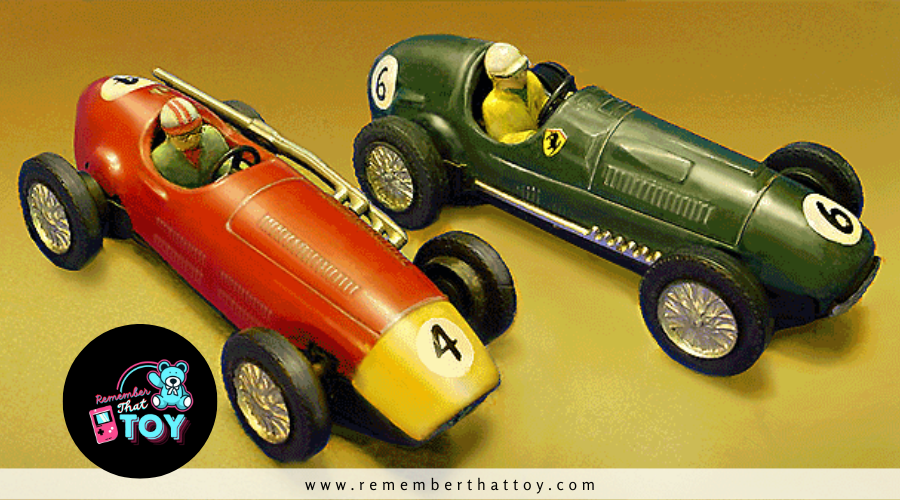
Long before plastic took over toy shelves, brightly painted tin toys captured the hearts of children and collectors alike. From wind-up robots to miniature cars and whimsical animals, these metal playthings were more than just entertainment—they were works of art in motion.
In this article, we’ll take a closer look at the most collectible vintage tin toys, explore what makes them so sought after today, and revisit the charm and craftsmanship that defined this golden era of toymaking.
Key Takeaways
- Tin toys originated in mid-19th century Germany, known for hand-assembled and hand-painted precision craftsmanship.
- The post-World War I era saw the American tin toy industry's expansion, with companies like Louis Marx dominating due to domestic production.
- Post-World War II, Japan innovated battery-operated tin toys, introducing lights and sounds and captivating collectors.
- The rise of plastic in the mid-20th century led to a decline in tin toy production, turning them into collectibles.
- Collecting tin toys involves verifying authenticity, preserving original packaging, and focusing on condition, rarity, and functionality for valuation.
Origins in Germany: The Birth of Tin Toys
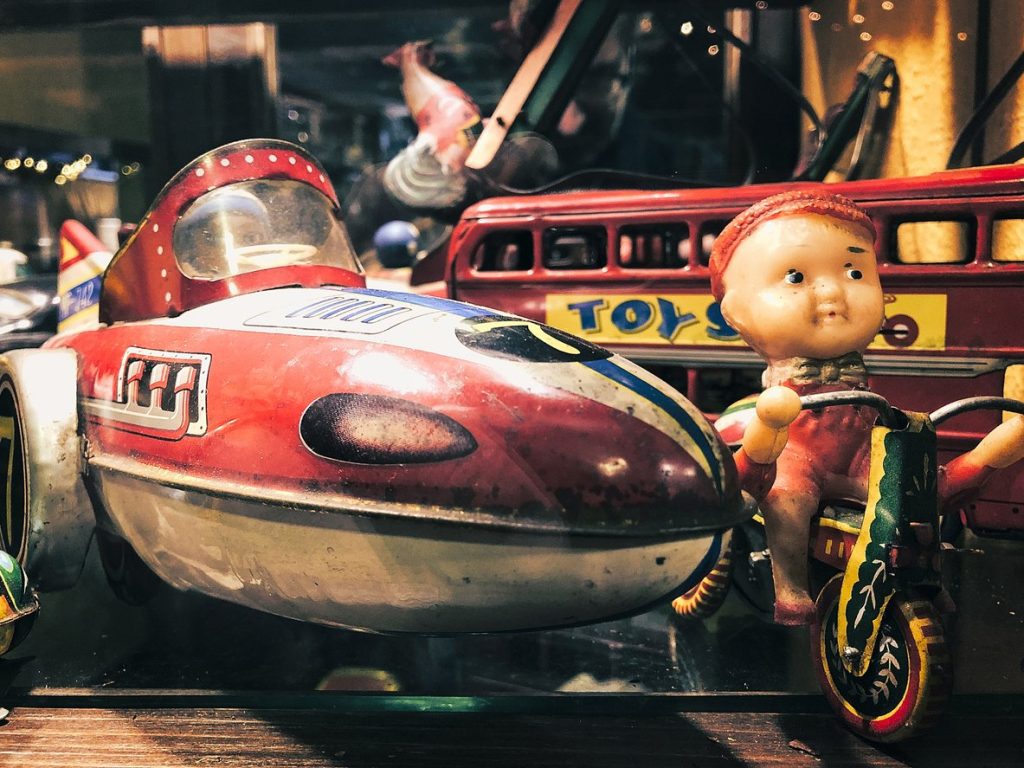
Tin toys, an iconic symbol of childhood play, trace their origins back to Germany in the mid-19th century. You'll find that German artisans mastered tin toy craftsmanship, using thin tin-plated steel sheets to create durable and lightweight toys. These early toys were often hand-assembled and hand-painted, showcasing the precision and quality that Germany became known for.
In the 1850s, mechanical innovations emerged with spring-activated designs, enabling toys to move, much to the delight of children. Places like Nuremberg and Sonneberg became hubs of creativity, leading the way in mechanical ingenuity. The introduction of sheet metal stamping machines allowed for mass production, making these playful creations accessible to a broader audience.
Germany's toy industry set the standard for future generations, and its influence was so profound that it exported around 90% of its manufactured toys, particularly through companies like Ernst Paul Lehmann.
The Impact of World War I on Tin Toy Production

As World War I unfolded, the disruption of European production chains profoundly impacted the tin toy industry. Germany once led the market, exporting 90% of Ernst Paul Lehmann's creations. However, wartime production needs caused severe metal shortages, halting toy manufacturing as Europe prioritized weapons.
Anti-German sentiment further shifted global tin toy trends away from European suppliers. Britain and France tried to fill the gap but couldn't match German precision. With Europe's post-war economic stagnation, the door opened for US competitors.
American companies, like Schoenhut, capitalized on this disruption by pivoting from piano manufacturing to toys. They tapped into domestic tin ore mining in Illinois, meeting the demand for alternatives to German toys. The U.S. toy manufacturing gained momentum post-World War I, becoming market leaders in the 1920s. This shift marked a significant change in the global tin toy landscape.
Post-War Prosperity and the Rise of American Tin Toys
Following World War I, the American tin toy industry experienced significant growth as it filled the void left by European manufacturers. This Post War Expansion allowed companies like Louis Marx and Company to dominate the market through American Manufacturing prowess. With anti-German sentiment, consumers favored domestic products, leading to a boom in production.
By the 1920s, American firms had overtaken their European counterparts, producing vast quantities at low prices. During this period, the simplification of forms in toy design led to a folk art appeal, making these toys not only playthings but also cherished collector's items.
Here's a snapshot of the period:
| Company | Period | Contribution |
|---|---|---|
| Louis Marx & Co. | 1920s-1960s | Market leader in tin toys |
| Francis, Field & Co. | Post-Civil War | Early American innovators |
| George W. Brown | Late 19th C. | Introduced clockwork trains |
This timeframe marked a golden era for U.S. tin toys, setting the stage for future innovations.
Japanese Innovation in Tin Toy Manufacturing
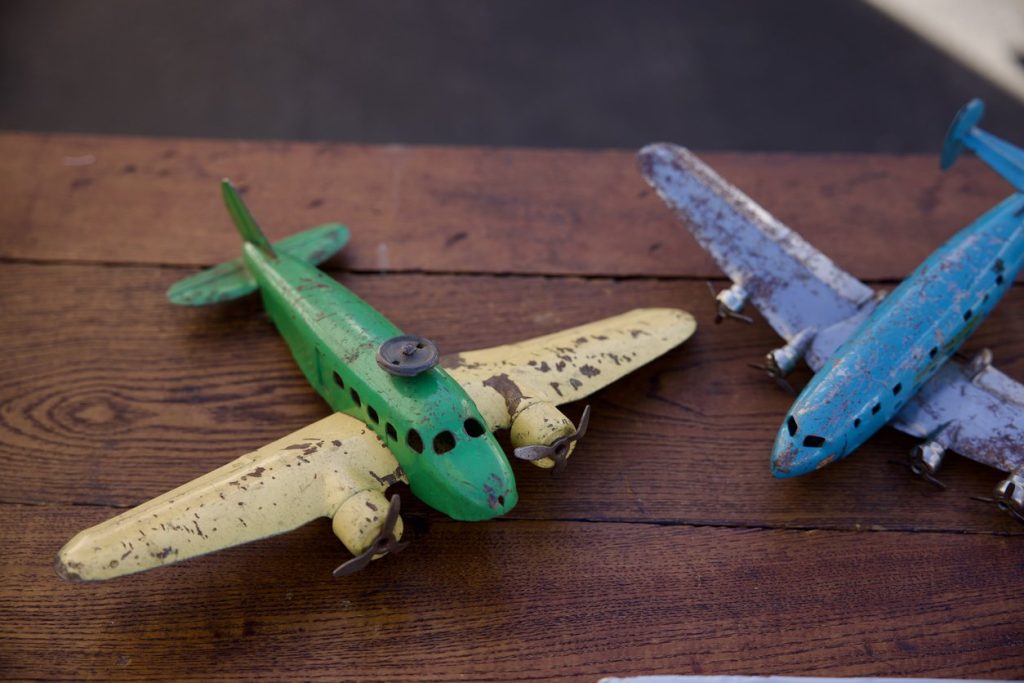
While much of the world was recovering from World War II, Japan emerged as a powerhouse in tin toy manufacturing. By blending mechanical creativity with cultural synthesis, Japanese artisans transformed simple tinplate into enchanting playthings. You'll find their innovation in early adoption of German techniques and post-war technological advancements.
The Paya Company in Spain, known for its high-quality tin toys, also played a significant role in the history of tin toy production with its famous Bugatti race car. Japanese manufacturers also diversified the market with unique designs that captivated children and collectors alike.
- Mechanical Marvels: Shifted from wind-up to battery-operated toys, introducing lights and sounds.
- Cultural Fusion: Designs incorporated Western mechanical novelties with traditional Japanese artistry.
- Iconic Themes: Space-themed rockets, robots, and movie-inspired characters became symbols of Japanese creativity.
The Influence of Occupation-era Policies on Production
Japanese innovation in tin toys set a high bar, but the influence of occupation-time policies transformed the production landscape even further. Post-WWII, Allied occupation policies prioritized economic strategies that shifted Japan's industrial focus toward consumer goods, including tin toys. By redirecting industrial capacity away from war, these policies shielded sectors like steel for toy production.
Subsidized American steel allowed Japan's tin toy industry to thrive under MacArthur's watchful eye. As a result, the craftsmanship honed in prewar periods was redirected to meet Allied-driven export quotas. Tin toys became a deliberate tool to flood international markets, especially in the U.S., aligning with strategic interests.
This time's economic strategies set the stage for a booming, export-oriented toy industry. Nuremberg, Germany became a center for early tin toy production, inspiring subsequent innovations in places like Japan.
The Shift to Plastic and Its Effect on Tin Toys
As the mid-20th century dawned, the rise of plastic transformed the toy industry and dramatically impacted tin toys. The Plastic Evolution marked a significant shift in Toy Manufacturing, driven by the introduction of synthetic materials like Bakelite and later petrochemicals. This change offered several advantages over tin:
The rise of plastic revolutionized toy manufacturing, surpassing tin with safety, affordability, and vibrant design.
- Safety: Plastic reduced sharp edges and rust, addressing safety concerns that often plagued tin toys.
- Cost: Manufacturing with plastic was cheaper, making toys more affordable for post-war consumers.
- Versatility: Plastic allowed for lively colors and intricate designs, capturing children's imaginations.
The decline in tin toy production was inevitable as plastic's popularity soared. Manufacturers, especially in Japan, converted to plastic, reshaping the toy landscape and leaving tin toys as cherished collectibles. Growing concerns about the environmental impact of plastic toys have led to increased pressure on manufacturers to explore sustainable options, such as biodegradable plastics and recyclable materials.
LEGO, for instance, has introduced 150 elements made from sustainably sourced materials, exemplifying the industry's shift towards more eco-friendly practices.
The Revival of Tin Toys in the Modern Era
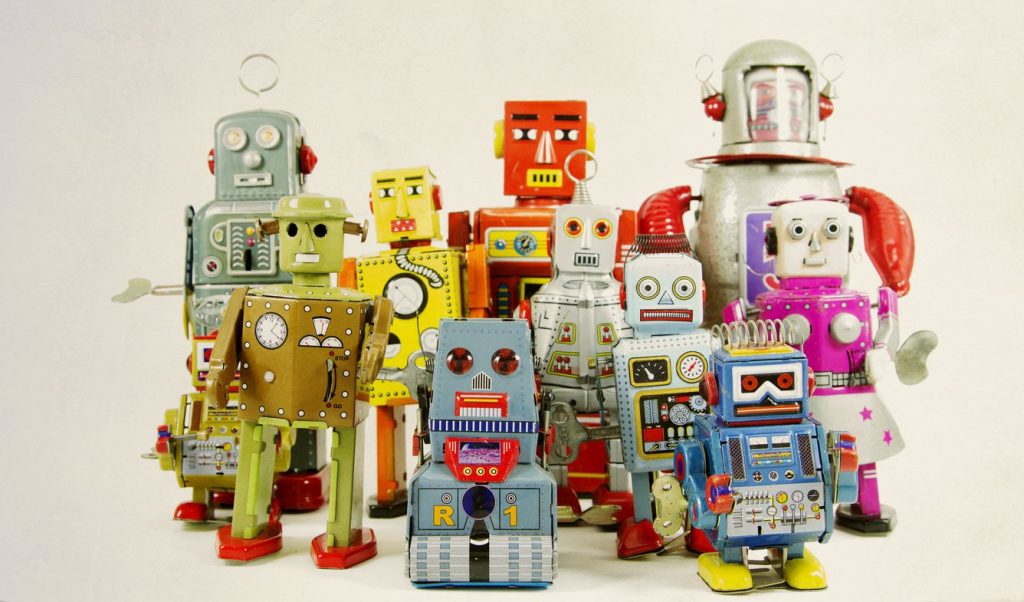
The rise of plastic may have transformed the toy industry, but tin toys have experienced a remarkable comeback in the modern era. You'll find that vintage-inspired designs from places like Japan and Germany capture nostalgic aesthetics, appealing to both children and adults. Modern manufacturing techniques guarantee these toys retain their charm while meeting today's durability standards.
With commercial catalogs and digital marketplaces like Etsy, you can easily access both repro and authentic vintage tin toys. These platforms highlight unique gifts that bridge the past and present, making them popular for collectors and nostalgic gift-givers alike. The National Museum of Toys and Miniatures in the USA plays a pivotal role in showcasing the art and history of tin toys, drawing enthusiasts from around the world.
By using modern materials and preserving original mechanisms, tin toys continue to enchant, offering a delightful blend of history and contemporary craftsmanship. Businesses such as TinToyArcade.com LLC have contributed to this revival by providing an extensive catalog of classic designs at competitive prices for nearly 100 years.
Iconic Designs and Their Lasting Appeal
While the toy industry has evolved considerably, iconic tin toy designs have maintained their appeal through their intricate craftsmanship and nostalgic allure. These designs combine mechanical innovation with nostalgic themes, creating timeless valuables that captivate collectors and enthusiasts alike. The intricate wind-up mechanisms of toys like Marx's "Wonder Cyclist" feature visible gears that highlight the complexity of early clockwork designs.
Japanese post-war toys introduced battery-operated multi-action functions, adding a new layer of fascination with walking and spinning movements. The cultural impact of tin toys is similar to that of Matchbox cars, both having shaped the toy culture and influenced generations of collectors.
Intricate tin toys captivate with their mechanical innovation and nostalgic charm, blending complexity with timeless appeal.
- Mechanical Banks: Playful designs like the "Peg-Leg Beggar" blend playful themes with practical utility.
- Authentic Craftsmanship: Hand-painted and hand-stamped figures emphasize artisanal quality.
- Miniaturized Models: Tin models of real-world objects, such as dirigibles, showcase engineering prowess. Notably, many antique tin toys were made over 100 years ago, making them highly sought after by collectors.
The Art of Collecting: Tips for Enthusiasts
Collecting vintage tin toys is a rewarding pursuit that combines history, artistry, and a touch of nostalgia. To master the art of collecting, start with fundamental techniques like authenticity verification. Look for manufacturer marks and consult experts to detect reproductions.
Original boxes add provenance, so keep an eye out for them. Preservation methods are vital; control humidity with silica gel and protect toys from sunlight to prevent fading. Handle them gently and use soft gloves if necessary. Lubricate mechanisms with lightweight spray and test car wax to improve shine safely.
Focus on condition, rarity, and functionality when valuing items. Japanese toys evolved significantly, moving from cottage industry to factory production, showcasing the adaptability and craftsmanship of the post-war workforce. Engage in research, and network with fellow enthusiasts to expand your collection through informed trades and acquisitions.
Frequently Asked Questions
How Do I Identify Authentic Vintage Tin Toys?
To identify authentic vintage tin toys, check for replica recognition by examining signs of wear like scratches and patina. Look for toy markings such as manufacturer stamps or serial numbers. Authentic toys have precise bends and seams, unlike reproductions with rough edges. Evaluate the printing method; vintage toys use offset lithography with visible color layers. Consider the box's musty odor, indicating time, and consult experts or databases for verification.
What Factors Influence the Value of Vintage Tin Toys?
When determining the value of vintage tin toys, focus on rarity factors and condition impact. You'll find that toys in mint condition with original packaging fetch the highest prices. Rarity plays a significant role; limited editions and those from prestigious brands like Märklin are especially valuable. Functionality matters too—working mechanisms increase worth, while rust or corrosion can lower it. Avoid repainting, as it can drastically reduce a toy's value.
Are There Specific Brands to Look for When Collecting Tin Toys?
When collecting tin toys, look for brands like Schuco and Bandai. Schuco cars are renowned for their intricate details and craftsmanship, making them highly sought after by collectors. Bandai robots, with their iconic designs and mechanical features, also hold significant value. Keep an eye out for these brands, as they represent quality and nostalgia in the world of tin toys. Your collection will shine with these timeless pieces.
How Should I Store and Care for My Vintage Tin Toys?
To guarantee proper storage and care for your vintage tin toys, wrap them in acid-free tissue to prevent scratches. Store them in polyethylene bags with silica packets for moisture control. Clean gently using a soft paintbrush and soapy water on a lint-free cloth, avoiding harsh chemicals. Maintain a cool, dry environment and inspect regularly for rust or pests. Always handle with clean gloves to protect the toys from oils and dirt.
What Are Common Restoration Techniques for Damaged Tin Toys?
When tackling paint restoration, initially assess if minimal intervention suffices to preserve authenticity. Use a soft brush and Q-tips for precision cleaning. For part replacement, employ spot welding with nickel strips, and confirm painted areas are cooled during repairs. Avoid glue or epoxy for tabs. For rust, try a white spirits and water mix, but be cautious with sandpaper to prevent paint loss. Always test chemicals on inconspicuous areas initially.