Vintage Polly Pocket Toys: The Miniature Playsets That Are Worth Big Money
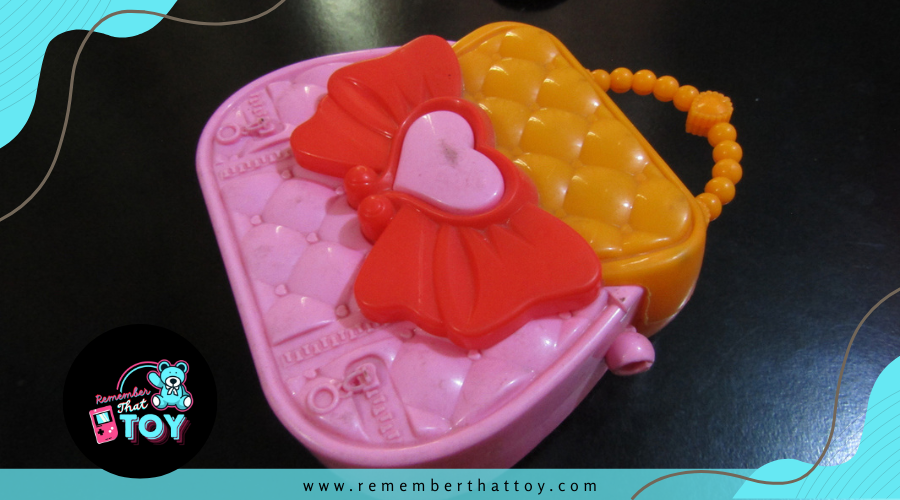
Tiny, colorful, and packed with charm, vintage Polly Pocket toys were a staple of '90s childhoods. These pocket-sized playsets unfolded to reveal detailed miniature worlds, complete with tiny dolls and accessories that sparked hours of imaginative play. While they once fit neatly into a backpack or pocket, many original Polly Pocket sets are now commanding big prices on the collectors’ market.
In this article, we’ll take a look back at the most iconic vintage Polly Pocket toys, explore why they’ve become so valuable, and highlight the sets that are most sought after today.
Key Takeaways
- Vintage Polly Pocket sets from the 1980s and 1990s have high collectible value due to nostalgia.
- Original packaging and complete sets with all accessories significantly increase vintage Polly Pocket worth.
- Limited editions and rare crossover themes enhance the value of vintage Polly Pocket toys.
- Auction prices for vintage Polly Pocket sets can reach thousands of dollars, reflecting strong market demand.
- Collectors prioritize Bluebird Toys editions, especially Disney-themed sets, for their increased value and rarity.
The Birth of Polly Pocket: A Creative Father's Gift
Though it might seem like a fanciful idea today, the creation of Polly Pocket began with a father's ingenuity. In 1983, the creative inspiration struck Chris Wiggs on a business trip to New York. He envisioned a "portable dreamhouse" for children, cleverly utilizing an old makeup compact. This unique design allowed for imaginative play, featuring multiple scenes within a small, portable container.
Chris Wiggs, who developed Polly Pocket from a prototype made for his daughter, was influenced by personal experiences and family. The toy's evolution from a simple prototype to a beloved toy was fueled by the desire to provide an engaging, compact play experience. The compact's portability was groundbreaking, allowing children everywhere to bring their miniature world on the go.
By 1989, this groundbreaking concept had transformed into a market-ready product, marking the beginning of Polly Pocket's success. The compact size of these playsets made them a favorite among children and collectors alike, due to their ease of storage and transportability.
Bluebird Toys: The Original Creators of Polly Pocket
View this post on Instagram
As the primary spark of Polly Pocket's creation took form in Chris Wiggs' inventive mind, it was Bluebird Toys that brought this vision to life. Founded in 1980 by Torquil Norman, Bluebird Toys established a bluebird legacy of toy innovation with its initial product, the Big Yellow Teapot House. Their headquarters in Swindon became a hub for creating container-style houses like the Big Jumbo Fun Plane. In 1985, Bluebird Toys went public on the Unlisted Securities Market, with shares peaking at 500p by 1987, marking a significant growth phase for the company. After going public in 1985, they expanded by acquiring Peter Pan Playthings and Merit Toys. During this period, Bluebird Toys was inspired by the success of LEGO's creative expansion, which set a precedent for innovation in the toy industry. In the late '80s, Polly Pocket revitalized Bluebird, leading to a remarkable financial turnaround. Sales soared due to the miniaturized charm of Polly Pocket, reinforcing Bluebird's legacy in toy innovation. Early Polly Pocket sets captivated with their clever design, making them a favorite among children and collectors alike. The design aesthetics mirrored everyday objects, with cases shaped like heart lockets or makeup compacts, perfectly sized for pockets. These tiny cases, around 4 inches across, unfolded to reveal intricate layouts, featuring multi-scene integration with vivid color schemes. You'd find themed settings like cafés and schools with tiny furniture and props, encouraging imaginative play on the go. Mechanical innovations added layers of fun—dolls under 1 inch tall stood securely on circular bases, while interactive elements like spinning parts and swings brought scenes to life. In 1992, jeweled cases introduced even more moving parts, enhancing the playful experience of these portable worlds. The Bluebird Polly Pocket Sets released from 1989 to 2002 were especially popular, with collectors seeking out original packaging and intact accessories for their nostalgic value. When Mattel acquired Bluebird Toys in 1998, it marked the beginning of a significant transformation for Polly Pocket sets—one that wasn't without its controversies. You saw the doll height increase from under 1 inch to nearly 4 inches, prompting redesign backlash. The shift moved away from compact makeup cases to larger playsets, leaving collectors dissatisfied with the loss of portability. The introduction of magnetic "Quik Clik" outfits caused recalls due to safety issues, further alienating fans. This evolution saw the introduction of an animated series that aimed to breathe new life into the brand, though it faced mixed reactions over character development and appeal. Collectors longed for Bluebird's original design, enhancing vintage set values. Collectors often reminisce about the original Polly Pocket designs while traversing the complexities of the vintage market. You're probably wondering what makes these tiny valuables worth a small fortune. Well, several value determinants come into play. Toys from the 1980s and 90s Bluebird period hold considerable nostalgic appeal, especially initial editions. Rarity factors like limited editions—such as the "Pollyville Weekend"—and unique crossover themes enhance worth considerably. The physical condition is essential; mint-in-box examples are the holy grail for collectors. Missing accessories or paint wear can diminish value. Original packaging and complete sets with all dolls and tools intact are vital. Mattel redesigned Polly Pocket after acquiring Bluebird Toys in 1998, which marked a significant shift in design and collectibility. Finally, marketplace trends, auction results, and specialist communities influence prices, making these petite playsets highly sought-after. The allure of vintage Polly Pocket playsets lies in their intricate details and nostalgic charm. Rare playsets from the Bluebird Toys manufacturing period, particularly those from 1989 to 1999, are highly coveted. Collector trends highlight the 1989 Mid's Play School Set and the 1991 Faerie Fantasy for their imaginative designs. The 1991 Bluebird Light-Up Pizzeria, with its functional features, also commands attention among enthusiasts. Themed playsets like the Jeweled Sea Playset and 1950s Diner Ring are sought after for their unique aesthetics and storytelling elements. Original Polly Pocket dolls were discontinued by 2002, making these earlier sets even more valuable to collectors today. Limited edition designs, such as heart-shaped and leaf-shaped cases, capture the essence of Polly Pocket's originality. As a collector, you'll appreciate the diverse styles that make these playsets timeless gems. While the charm of vintage Polly Pocket playsets captivates collectors, the market's fascination with record-breaking sales also tells a compelling story. Some individual sets have achieved astonishing prices, showcasing the fierce collector competition. A 1997 Peter Pan Neverland play set fetched $437, while a 1996 Hercules compact sold for $436.21. Even larger collections have seen record-breaking prices, such as one selling for $1,125 online. Accessories haven't been left behind; a Carnival wristband and a Moonride pencil case reached around $1,000 and $373.89, respectively. This surge in prices is further highlighted by a Pollyville Playset listed for $15,000, illustrating the high stakes in the collector world. It's a reflection of the enduring allure of Polly Pocket. Originally designed by Chris Wiggs in the early '80s for his daughter, Polly Pocket's unique and compact style continues to draw nostalgic attention and significant financial interest. Although you might assume toy collecting is a niche hobby, the modern market for Polly Pocket toys proves otherwise, driven by a mix of nostalgia and strategic collaborations. Collecting trends reveal a high demand for specific vintage sets, particularly those from Bluebird Toys in the 1980s and 1990s. These sets, especially in mint condition, can fetch thousands. Pricing strategies revolve around rarity, original packaging, and complete accessories. Recent collaborations, like the Polly Pocket and Stranger Things set, further enhance interest, blending nostalgia with pop culture. Such partnerships attract both seasoned collectors and newcomers, amplifying the brand's appeal. Platforms like eBay play a vital role in determining value and facilitating sales, making them indispensable for any collector looking to invest wisely. The collaboration between Polly Pocket and Stranger Things represents a blend of childhood wonder and contemporary pop culture, further fueling the collector's market. Nostalgia often drives consumer behavior, and Polly Pocket toys are no exception. When you look at Polly Pocket, you're not just seeing a toy; you're reconnecting with cherished childhood memories. Nostalgic marketing strategies, like Airbnb's lifesize Polly Pocket Compact, recreate those experiences with themed activities that tug at your heartstrings. The emotional connection is undeniable, as these miniature playsets transport you to a "simpler time" of imaginative adventures. Fashion collaborations, such as Lisa Says Gah's use of original logos, capitalize on this nostalgia, blending vintage aesthetics with modern style. With social media platforms, searches for doll-like aesthetics align perfectly with Polly Pocket's charm. This growing demand showcases how nostalgia and emotional resonance are powerful drivers in the resurgence of Polly Pocket's popularity. The continued popularity of retro-themed products and references in pop culture and media is a testament to the lasting impact of 1990s toys, including Polly Pocket. If you're diving into the world of vintage Polly Pocket collecting, focusing on the right sets and maintaining their condition is key. Start by prioritizing Bluebird Toys sets from 1989-1998, especially Disney-themed ones. Always check for intact accessories and original dolls. Bluebird Toys versions generally hold more value, making them a prime focus for collectors. Collectors of Polly Pocket toys often value historical uniqueness and craftsmanship, much like those interested in antique toy dolls and vintage board games. Use the table below to guide your collecting strategies: Preserve your sets by using UV-protected displays and gentle cleaning methods. Document their provenance and avoid excessive handling. To verify a vintage Polly Pocket set, focus on authenticity markers. Check for Bluebird logos, consistent colors, and original materials. Guarantee packaging and accessories are intact; these add value and confirm authenticity. Look for intricate details and functioning parts like mirrors or lights. Watch out for reproduction risks by comparing with eBay sold listings and joining collector groups. Use professional appraisals if needed to authenticate your set. When you're examining vintage Polly Pocket packaging for authenticity, watch for packaging variations and misprint examples. Though rare, misprints can occur, such as incorrect logos or text errors. These variations might increase the item's uniqueness and value. Always compare with verified examples to ascertain authenticity. Keep an eye out for any discrepancies in color, print quality, or text alignment that could indicate a packaging error or variation. To preserve and display your Polly Pocket collections, use UV-filtered display options like curio cabinets to protect from sunlight. Incorporate preservation materials such as acid-free padding and dividers for safe storage. Maintain a dry, climate-controlled environment to prevent mold. Opt for integrated lighting with low-UV LED strips to showcase without damage. Regularly document the condition of your collection for insurance purposes, ensuring each piece remains in top shape. To find potential buyers for your vintage Polly Pocket toys, start by exploring online marketplaces like eBay and Mercari. Use the "sold" filters to gauge vintage pricing and market trends. Join Facebook groups dedicated to Polly Pocket collectors to engage with enthusiasts. Specialized forums like TPT Boat and Toy Parts can also help you reach niche audiences. Stay active on social media platforms to connect with collectors interested in your items. You'll find lively online communities for Polly Pocket collectors on Facebook and Instagram. Join Polly Pocket forums like the Vintage Polly Pocket Buy Sell and Trade group to connect with enthusiasts. Participate in collector meetups via local Facebook groups for in-person trades. Investigate Instagram accounts, such as @OnlyPollyPocket, for collector spotlights and themed posts. Use hashtags like #PollyPocketCollector to uncover rare finds and engage with fans worldwide.Year Event Impact 1985 Went public Growth 1989 Polly Pocket introduced Revival 1994 £100m turnover achieved Success The Unique Design and Mechanics of Early Polly Pocket Sets
Mattel's Redesign: Changes and Controversies
Year Change Reaction 1998 Height increased Redesign backlash 2000s Larger playsets Collector dissatisfaction 2010 Bigger heads/feet Criticism 2015 Simpler playsets Reduced detailing 2018 Compact revival Nostalgic appeal Factors That Determine the Value of Vintage Polly Pocket Toys
The Most Sought-After Vintage Polly Pocket Playsets
Record-Breaking Sales of Vintage Polly Pocket Sets
The Modern Collectors' Market for Polly Pocket Toys
Nostalgia's Role in the Growing Demand for Polly Pocket
Tips for Aspiring Collectors of Vintage Polly Pocket Toys
Focus Areas Details Collecting Strategies Bluebird Period 1989-1998 Prioritize these sets Disney Sets Alice in Wonderland, Peter Pan Highly collectible Rare Molds Jewel-case, star-shaped Unique shapes Complete Sets All original components Enhances value Market Navigation eBay, toy forums Track pricing trends Frequently Asked Questions
How Can I Verify the Authenticity of a Vintage Polly Pocket Set?
Are There Any Notable Errors or Misprints in Vintage Polly Pocket Packaging?
What Are the Best Ways to Preserve and Display Polly Pocket Collections?
How Do I Find Potential Buyers for My Vintage Polly Pocket Toys?
Are There Any Online Communities for Polly Pocket Collectors?