Vintage Dinosaur Toys: From Jurassic Park to Classic Prehistoric Playthings
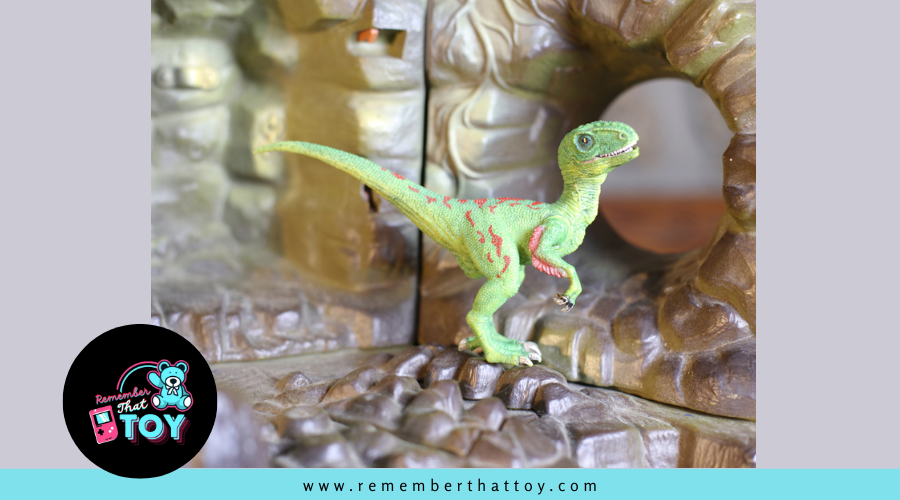
Before CGI dinosaurs roared onto movie screens, kids were already exploring prehistoric worlds through plastic figurines, rubber reptiles, and battery-powered beasts. Vintage dinosaur toys have long captured the imagination of young dino enthusiasts, blending science, fantasy, and fun. From early educational models to the blockbuster-inspired figures of Jurassic Park, these prehistoric playthings have evolved over the decades.
In this article, we’ll dig into the history of vintage dinosaur toys, highlight some of the most iconic and collectible pieces, and see why these creatures continue to fascinate fans of all ages.
Key Takeaways
- Kenner's Jurassic Park figures from the 1990s are iconic for their realistic designs and impact on the toy industry.
- Early dinosaur toys were made from materials like wood, iron, and rubber before the shift to plastic in modern times.
- Vintage dinosaur figures are valuable collectibles, with market value driven by rarity and condition.
- Tyco's Dino-Riders featured motorized dinosaurs and alien riders, revolutionizing dinosaur toys in the 1980s.
- Sinclair Oil's Dinoland collection distributed rubber dinosaurs at gas stations, marking a significant marketing strategy in toy history.
Historical Evolution of Dinosaur Toy Materials
Although dinosaur toys have evolved considerably over the years, their path began with rudimentary materials in the 1800s to mid-1900s. You'd find the earliest toys crafted from wood, iron, and rubber, often with inaccurate designs reflecting the limited paleontological knowledge of the time.
Production techniques were basic, with rubber molds being a popular choice, especially for Sinclair Oil's Dinoland collection in the 1930s. These rubber dinosaurs were given away at gas stations, showcasing the scalability of these early production methods. Despite their charm, most toys were static, unable to move due to construction limitations.
This period marked a shift towards educational value as the public's interest in paleontology grew, setting the stage for future innovations in toy design. Approximately 90% of modern toys are now made from plastic, marking a significant shift from these early materials.
Iconic Dinosaur Toy Lines of the 20th Century
View this post on Instagram
When exploring the iconic dinosaur toy lines of the 20th century, you'll find a fascinating blend of creativity and innovation that captivated generations. Dinosaur Toy Trends from the 1980s introduced you to the imaginative world of Dinobots by Hasbro, where robotic dinosaurs transformed into vehicles. Playskool's Dinosaurs added a playful twist with their articulated figures. Meanwhile, Kenner's Bone Epoch brought construction sets to life with skeletal dinosaurs. Tyco's Dino-Riders transformed the market with motorized dinosaurs and alien riders. Imperial's rubber dinosaurs, though historically inaccurate, became staples in toy collections. The 1990s saw Iconic Dinosaur Brands like Kenner's Jurassic Park figures, which boasted realistic designs. These lines didn't just entertain—they left a lasting impact on the toy industry. The Dino Riders Cartoon produced by Marvel enhanced the lore surrounding these toys, contributing significantly to the overall popularity of the franchise. In the world of dinosaur toys, the intersection of science and imagination creates a dynamic playground for young minds. Educational integration is at the heart of this fusion. Toys like excavation kits and volcanic playsets offer hands-on learning, allowing you to investigate paleontological processes and geological phenomena. Brands such as Everything Dinosaur guarantee educational value by curating toys vetted by experts, while Karty's stencil sets blend art with facts, promoting imaginative play. Modern dinosaur toys, shaped by the Dinosaur Renaissance, reflect accurate paleontological insights, with anatomically precise figures crafted in collaboration with paleontologists. These toys not only encourage STEM learning but also inspire storytelling, making science an adventure that fuels both curiosity and creativity. The Plush Dinosaur Stuffed Animals Set of 4 offers a cuddly way to engage with prehistoric creatures, making the experience both educational and comforting. As the fascination with dinosaurs endures, vintage dinosaur figures capture the hearts of collectors and investors alike. Collector communities thrive on platforms like Etsy and specialist forums, where rare finds spark excitement. The market value of these figures hinges on strict valuation criteria, including rarity, condition, and historical significance. Additionally, collectors benefit from convenient shopping experiences, with quick access to various dinosaur items available on platforms like Amazon. Your quest for prized models might lead you to: Understanding these dynamics helps you navigate the thrilling world of vintage dinosaur toys, driving your passion and investment potential. Modern dinosaur toys have evolved considerably, blending cutting-edge technology with imaginative play. You'll find toys that incorporate interactive learning through augmented reality (AR) and virtual reality (VR), making the experience both fun and educational. These technologies allow you to investigate a dinosaur's habitat or watch them in action, right from your living room. Manufacturers are now prioritizing eco-friendly materials, using biodegradable plastics and recycled components to create sustainable toys. This shift not only benefits the environment but also provides a safer play option for children. Some toys feature sound and movement sensors, offering a realistic feel that captures a child's imagination. By integrating technology and sustainability, modern dinosaur toys offer a unique combination of learning and play. Interestingly, the evolution of pop-palaeontological culture has significantly influenced the development of these toys, with a focus on both historical accuracy and engaging experiences. You can't deny the impact dinosaur toys have on sparking a childhood fascination with paleontology. When you play with these toys, you immerse yourself in a world of imaginative play, categorizing species and exploring habitats. This hands-on interaction fosters paleontology education by teaching concepts like extinction and adaptation. By engaging in role-play, you build problem-solving skills, while textured toys improve spatial awareness, making paleontology an exciting and educational adventure. Cultural trends heavily influenced dinosaur toy design. You see evidence of cultural nostalgia in retro toys that evoke past periods. Design evolution reflects changes in pop culture, like the fantasy elements of the 1980s or the interactive features inspired by blockbuster films. These trends shaped how toys looked and functioned, blending scientific accuracy with imaginative play. By tapping into cultural shifts, toy makers kept dinosaurs relevant and exciting for new generations. You might wonder if there are any famous dinosaur toy collectors. Yes, Randy Knol is one such collector, with an impressive array of iconic toys. His collection, estimated at 5,000-6,000 pieces, began in childhood and showcases his passion for detailed replicas. Knol, a recognized figure in paleontological circles, contributes to educational initiatives and inspires others by sharing his collection online, fostering an interactive community for enthusiasts like you. Early dinosaur toys often depicted dinosaur behavior inaccurately. You'd find them with upright, tail-dragging stances and exaggerated features like bulging eyes and cheesy grins. These early depictions, influenced by outdated paleontological views, showed dinosaurs as slow, swamp-dwelling creatures. Toys had static, elephantine postures, sometimes inspired by Godzilla. It wasn't until later that more dynamic and realistic portrayals emerged, incorporating active postures and features like feathers, reflecting newer fossil evidence. When you're considering museum acquisitions, dinosaur replicas from brands like PNSO and the Natural History Museum are at the top of the list. Museums actively seek out these replicas for their scientific accuracy and educational value. They love PNSO's detailed figures and Natural History Museum-branded models for their anatomical precision. These replicas, often used for both display and study, align perfectly with museum standards, making them highly sought after by institutions worldwide.The Intersection of Science and Imagination in Dinosaur Toys
Collectibility and Market Value of Vintage Dinosaur Figures
Modern Interpretations and Technological Advancements in Dinosaur Toys
Frequently Asked Questions
How Did Dinosaur Toys Influence Children's Interest in Paleontology?
What Role Did Cultural Trends Play in Dinosaur Toy Design?
Are There Any Famous Dinosaur Toy Collectors?
How Did Early Dinosaur Toys Depict Dinosaur Behavior?
Which Dinosaur Toys Are Most Sought After by Museums?