Toys and Games of the 18th Century
Overview
The toys and games of the 18th century were remarkably varied, providing children with a wide range of activities that fostered physical skills, creativity, and social interaction.
This variety arose as consumer goods production increased, allowing greater access to toys beyond simple wooden dolls and hobby-horses. While wealthier families could afford elaborate toys, even poorer families found joy in inexpensive paper models.
Outdoor Play
Outdoor activities were popular among children of the 18th century. Many games involved physical exercise and were equally accessible to both boys and girls. For example, hopscotch and skipping rope were common pastimes that required minimal equipment—a stone or a rope—and lots of energy.
Hopscotch grids were drawn on available flat surfaces, and players hopped from one numbered space to another. Meanwhile, skipping ropes could be used solo or by multiple participants.
Seasonal Fun
In colder months, ice skating became a favored activity for children living near frozen ponds or lakes. The lack of formal bathing suits did not deter boys from swimming in warmer weather, while girls often engaged in croquet or lawn bowling. Similarly, games like ducks and drakes—where children skipped stones across water bodies—were widely enjoyed.
Structured Games and Sports
Children also engaged in more structured games that laid the groundwork for modern sports. Rounders, a forerunner to baseball, saw both boys and girls taking turns to bat and field. Battledore and shuttlecock, an ancestor of badminton, demanded coordination and was enjoyed without the need for nets.
Archery, too was a favored activity, especially among boys. Despite royal prohibitions in previous centuries due to concerns over military readiness, archery remained popular as both sport and pastime.
Indoor Toys and Play
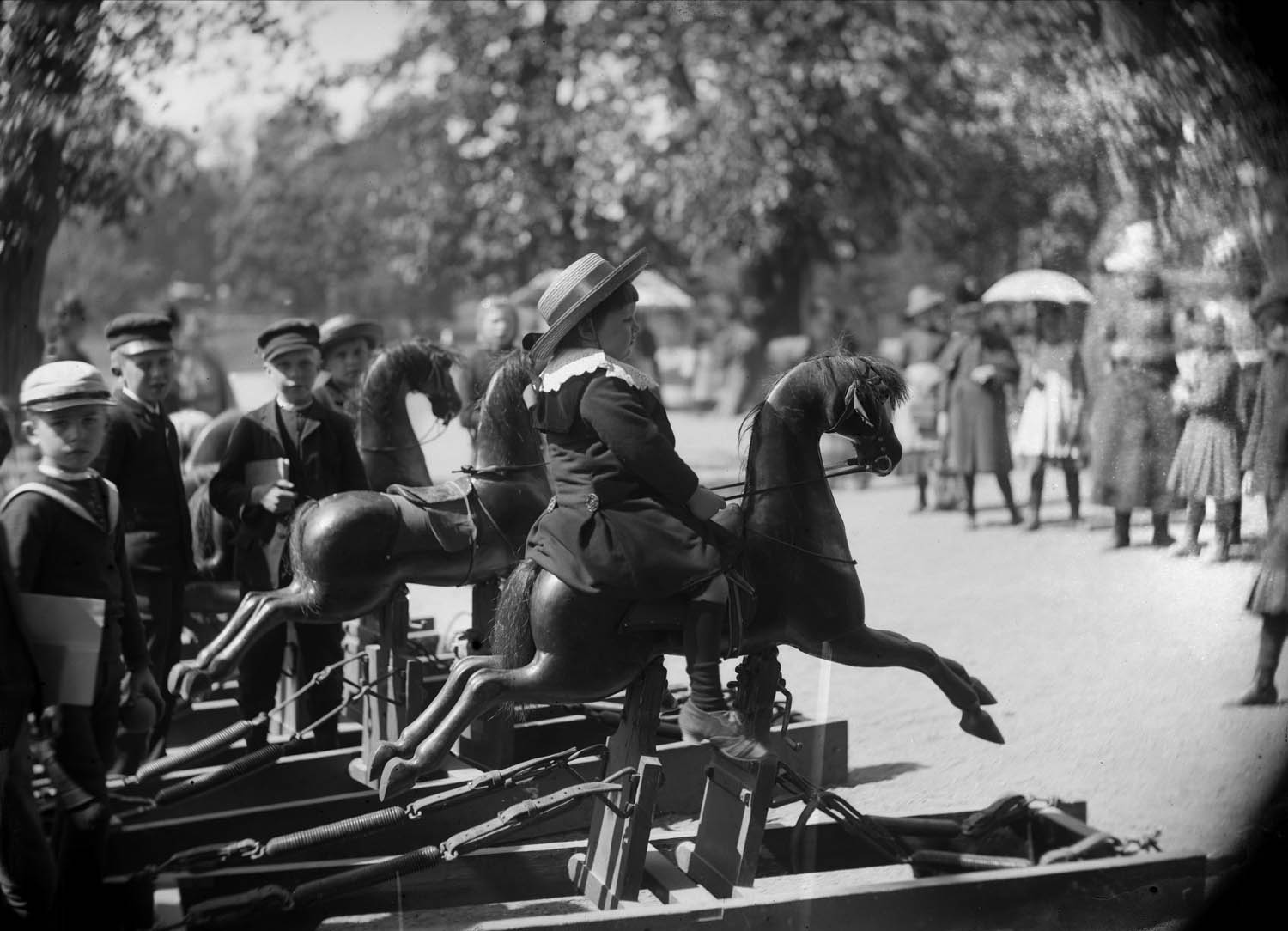
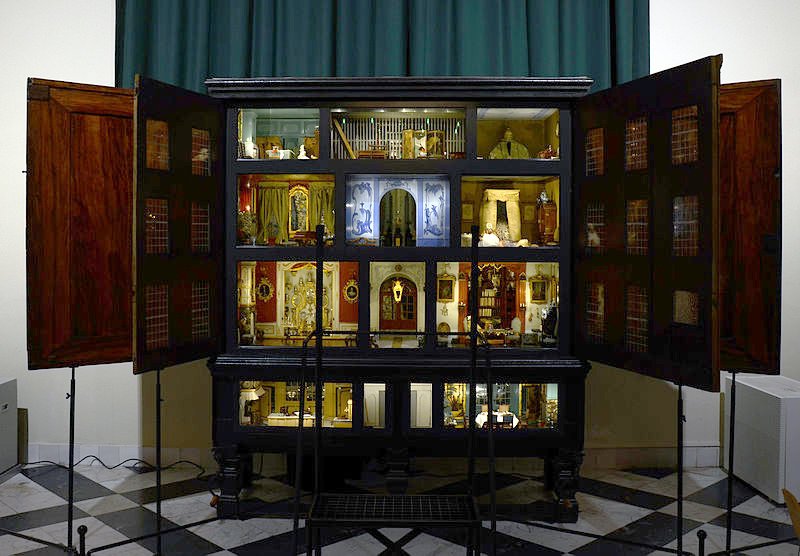
Indoor games and toys offered an array of choices, many of which are still familiar today. Rocking horses were a staple in nurseries, providing endless hours of imaginative play. Dolls and doll houses, available from the mid-18th century, became beloved items. These dolls, made from materials like wood, porcelain, or even paper, often featured changeable clothes and miniature furniture.
Creative Play
Toy theaters allowed children to stage dramatic episodes, using metal or paper characters on miniature stages. This not only entertained but also encouraged storytelling and creativity. Spinning toys like tops and buzzers were also popular, adding a dynamic element to indoor play.
| Toy | Description |
|---|---|
| Rocking Horses | Wooden horses mounted on rockers, allowing children to simulate riding. |
| Doll Houses | Miniature houses with rooms and furniture, often with dolls that had changeable clothes. |
| Toy Soldiers | Painted pewter figures representing military troops, sold by weight. |
| Toy Theaters | Miniature stages with characters for staging plays. |
| Kaleidoscopes | Optical tubes filled with mirrors and colored bits to create symmetrical patterns. |
Collectibles and Construction
Collectibles like marbles and card games also formed an essential part of 18th-century childhood. Chess and draughts (checkers) were board games that taught strategic thinking. Meanwhile, simpler toys like jacks, knucklebones, and whirligigs provided affordable and enjoyable ways to pass the time.
Toy soldiers, often made of lead or tin, were primarily aimed at boys and came in sets that allowed for miniature battles and strategy games. While some toys were bought, many could be made at home, offering a hands-on approach to play and creativity.
Board Games and Cards
Board games such as chess, draughts, and backgammon remained popular, creating an environment where both skill and chance played essential roles. Card games like whist also engaged children and adults alike, offering endless combinations and requiring sharp mental acuity.
Educational and Skill-Enhancing Toys

Parents sought toys that not only entertained but also educated. Alphabet blocks helped children learn letters and spell, while tea sets familiarized girls with social rituals. Bilboquets (cup and ball) and quoits (a ring-toss game) improved hand-eye coordination. Graces, involving the exchange of a ribboned hoop using sticks, developed both dexterity and grace.
Fashion and Accessories
Among the more elaborate toys were dolls outfitted with intricate wardrobes. Some dolls were dressed in the latest fashions, educating girls about contemporary styles and manners. Similarly, miniature tea sets taught the importance of social gatherings and etiquette.
Seasonal and Weather-Dependent Toys
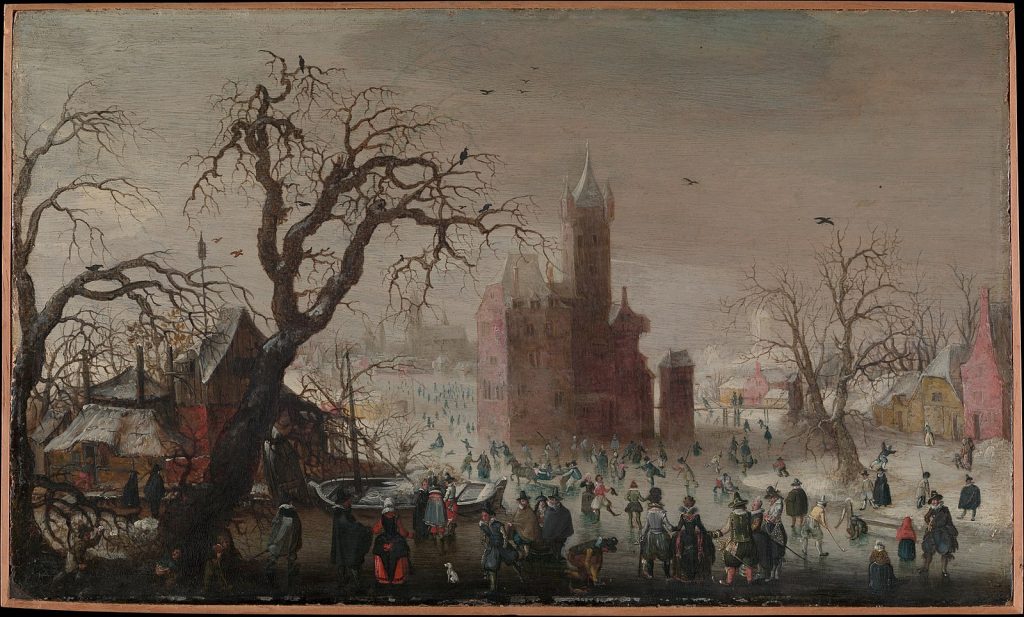
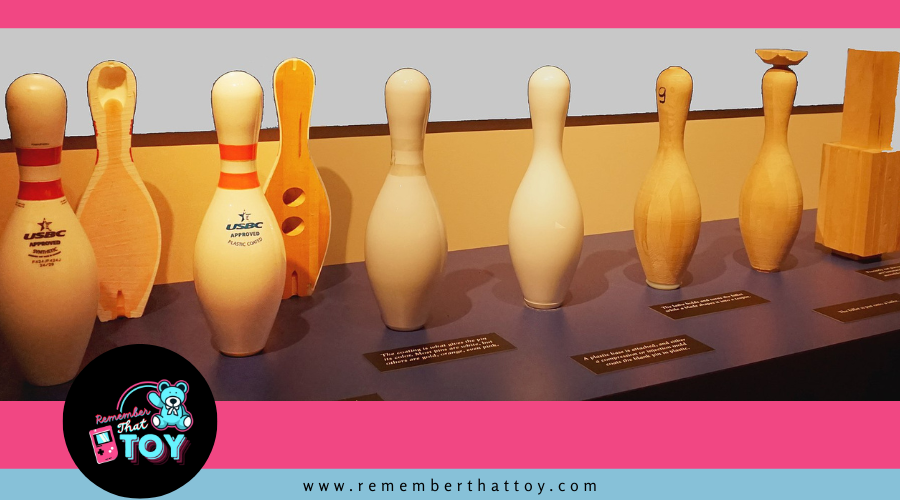
Winter brought ice skates and wooden sleds, facilitating activities on frozen ponds. In contrast, warmer weather encouraged kite flying and games like rounders or ninepins, an outdoor bowling game.
Imaginative Play
Children’s imaginations were limitless. Wooden swords allowed boys to enact grand battles, while pretend cooking sets prepped girls for future household roles. Some toys like buzzers and tops were simple yet provided endless amusement through their tactile and visual appeal.
Play was universal and transcendent. Toys and games from the 18th century evolved over time but left a lasting legacy. They offer a fascinating glimpse into childhood across centuries, showing us how play has always been an essential part of growing up.