Tinker Toys Vintage Sets: A Look at the Classic Wooden Construction Toys
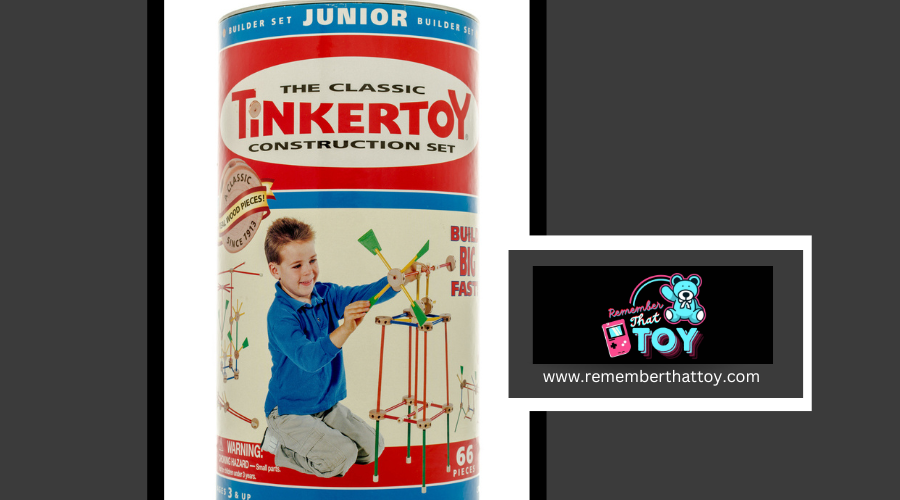
Before LEGO bricks took over playrooms and screens, there was a simpler kind of building toy that sparked imagination and hands-on creativity—Tinker Toys. With their iconic wooden rods, spools, and colorful connectors, these vintage sets were a childhood staple for generations.
In this article, we’re taking a closer look at the history of Tinker Toys, what made them so popular, and why they still hold a special place in the hearts of collectors and nostalgic builders alike.
Key Takeaways
- Tinker Toys were founded by Charles Pajeau, Robert Pettit, and Gordon Tinker, becoming popular by 1916.
- The classic design features spools with eight holes and rods, allowing flexible, stable constructions.
- Initially made of wood, Tinker Toys evolved with painted finishes and plastic components for safety.
- Creative marketing strategies placed Tinker Toys in diverse locations, boosting their appeal.
- Inducted into the National Toy Hall of Fame in 1998, Tinker Toys are valued for educational benefits.
History and Origins of Tinker Toys
Pajeau, along with partners Robert Pettit and Gordon Tinker, founded the Toy Tinker Company and set up a factory in Evanston. Although the early years were challenging due to World War I, the company gained traction through clever marketing—most notably, elaborate store window displays featuring working Ferris wheels made from Tinker Toys.
These eye-catching setups captured the public’s attention and helped push sales past one million units by 1916. The toy’s enduring appeal was officially recognized in 1998 when Tinker Toys were inducted into the National Toy Hall of Fame, celebrating their lasting influence on imaginative play and childhood creativity.
Design and Key Components
As Tinker Toys rose to fame, their groundbreaking design became a cornerstone of their charm and utility. The clever spool design, with its eight holes at 45-degree intervals, offers remarkable angular construction flexibility. These spools enable you to investigate endless creative possibilities by accommodating orthogonal rod connections through a central hole, ensuring stability in your builds.
The rods, with slotted ends, allow for tension-free angular adaptations, making your construction experience smooth and enjoyable. The TINKERTOY Classic Retro Building Set includes 15 model ideas that foster creativity and imaginative play.
Tinker Toys' innovative spool design with eight holes revolutionizes construction, offering endless creative possibilities and stability in every build.
- Feel the joy of building towering structures with ease.
- Experience the satisfaction of creating intricate designs effortlessly.
- Rediscover the childhood wonder of limitless imagination.
You'll quickly see how the collaboration between spools and rods is the heart of what makes Tinker Toys so timeless and beloved.
Manufacturing and Production Evolution
View this post on Instagram
While Tinker Toys captivated imaginations with their design, the evolution of their manufacturing and production processes played a crucial role in their enduring success. You might be surprised to learn how their production techniques have evolved over time to prioritize toy safety and quality. Initially, Tinker Toys were crafted using basic woodworking methods. However, as technology advanced, more sophisticated techniques emerged, guaranteeing each piece was smooth and safe for children. Here's a snapshot of key developments: These advancements not only increased efficiency but also guaranteed that Tinker Toys remained a beloved and safe choice for generations. Though Tinker Toys' clever design captured young minds, it was their groundbreaking marketing strategies that truly set them apart. By employing creative advertising techniques and forming non-traditional retail partnerships, Tinker Toys gained widespread appeal. Early on, they placed their products in unexpected locations like cigar stands and drug stores, maximizing visibility beyond typical toy departments. Eye-catching street-corner pop-up displays engaged customers directly, while grand showcases at places like Grand Central Station captivated audiences with animated models. Furthermore, their partnerships with department stores and jobbers expanded distribution effectively. During its launch in 1915, Tinkertoy was sold at Marshall Fields, where live demonstrations and bright packaging designed for easy mailing were utilized to attract customers. The innovative and timeless design of Tinker Toys, much like Wooden Building Blocks, promotes creativity and problem-solving skills. Imagine the excitement of: Tinker Toys revolutionized visibility with creative placements and captivating displays, broadening their appeal beyond traditional toy aisles. Tinker Toys hold a unique place in both cultural history and educational development. They've inspired generations, including AI pioneer Marvin Minsky, by fostering cognitive development through hands-on play. With design principles rooted in Pythagorean theory, these toys improve spatial intelligence and reasoning. Their open-ended nature encourages creative expression, allowing you to build countless structures and develop problem-solving skills. Recognized by the National Toy Hall of Fame in 1998, Tinker Toys have remained a staple in homes worldwide, transcending trends and outlasting many modern alternatives. By promoting character building and resilience during WWII, they've demonstrated lasting educational value. Marketed for all life stages, these toys bridge generational gaps, proving themselves timeless in nurturing both young and mature minds alike. Invented in 1913 by Charles Pajeau, a stonemason from Evanston, Illinois, Tinker Toys were initially marketed with a unique strategy that included hiring midgets to demonstrate the toys in public windows. The Montessori Methods at home can be complemented by Tinker Toys, as they promote sensory exploration and fine motor skills through their engaging and hands-on nature. Collecting vintage Tinker Toys is both a hobby and a nod to nostalgia that connects generations. The collecting trends focus on sets with original wooden components, especially those featuring red spools and multi-colored sticks. The nostalgic appeal of these toys often lies in their historical packaging, like the iconic 1950s 'Windlass Drive' tin canisters. Modern collectors find value in limited editions and thematic partnerships that keep the spirit of Tinker Toys alive. The classic building sets priced at $49.99, which include over 100 TINKERTOY parts, offer a modern twist to the timeless creativity these toys inspire. Vintage Tinker Toys bridge generations, featuring original wooden components and iconic 1950s packaging, cherished by collectors for their nostalgic charm. Whether you're chasing rare finds on eBay or preserving a prized collection, Tinker Toys remain a symbol of enduring creativity and fun. When you're considering vintage Tinker Toys, they adhered to safety regulations that were quite different from today's standards. These vintage standards primarily focused on material simplicity and visual inspections rather than thorough testing. You'll find that they used natural wood and avoided toxic dyes, which minimized chemical risks. However, they lacked formal safety protocols like ASTM F963, and issues were often resolved through consumer feedback rather than recalls. Always inspect them for exposed wires or unfinished edges. You might wonder about Tinker Toy compatibility with other construction sets. Originally, Tinker Toys weren't designed for cross-brand use, focusing instead on their own system. However, the Free Universal Construction Kit changed the game by offering 3D-printable adapters, allowing you to connect Tinker Toys with sets like LEGO and K'Nex. With these adapters, you can create hybrid projects, bridging different construction set geometries and expanding your creative possibilities. To determine the period of your vintage Tinker Toy set, start by examining the materials and markings. Use vintage identification methods like checking for wooden or plastic components, which can hint at the epoch based on Tinker Toy history. Look for manufacturer stamps; early sets often feature "The Toy Tinkers, Inc.," while later ones show Hasbro branding. Consider spool specifications and stick color-coding for further clues about the set's period. You're curious about the materials used in Tinker Toys before plastic came into play. Initially, they were crafted from wooden materials. The core components, like spools and rods, were entirely wood, showcasing expert construction techniques. Wooden spools, featuring precisely drilled holes, connected seamlessly to rods. These wooden elements provided a warm, tactile experience that plastic couldn't match. Their clever design allowed for endless creativity and structural integrity in your creations. As a collector, you should be on the lookout for rare pieces that hold significant collector value. Early electric motors with cranks and pulleys from the 1950s, original wooden wheels from pull toys, and the 1930s Tinker Pin bowling game accessories are all sought-after items. Furthermore, the post-WWII sets with unique color variants, like the peach-colored components, and rare functional components like battery-powered double pulleys, could improve your collection.Year Key Development 1914 Basic woodturning introduced 1940 Painted finishes for durability 1960 Introduction of plastic components 1980 Automated production lines 2000 Improved safety testing procedures Marketing Strategies and Impact
Cultural Significance and Educational Value
Collecting and Modern Relevance
Frequently Asked Questions
What Safety Standards Do Vintage Tinker Toys Adhere To?
Are Tinker Toys Compatible With Other Construction Sets?
How Can I Determine the Age of a Vintage Tinker Toy Set?
What Materials Were Used for Tinker Toys Before Plastic Introduction?
Are There Any Rare Tinker Toy Pieces Collectors Should Look For?