Tickle Me Elmo: The 1990s Toy That Became a Holiday Sensation
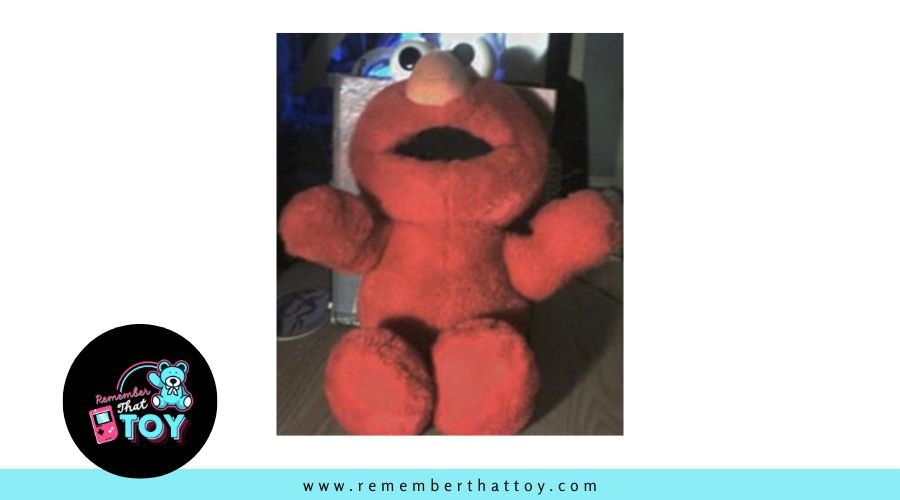
Tickle Me Elmo might seem like just another 1990s toy, but its meteoric rise reveals much about consumer culture at the time. Launched in 1996, this playful, laughing character quickly became a must-have item, driven by strategic marketing and celebrity endorsements. Examining its impact on holiday shopping and the toy industry uncovers the factors that fueled its unprecedented demand and offers lessons for today’s market. What led to such frenzy, and how did it reshape the landscape of holiday shopping?
Development and Evolution
Tickle Me Elmo, originally conceptualized as Tickles The Chimp by Greg Hyman and Ron Dubren, quickly transformed into a cultural phenomenon following its launch in July 1996. The Elmo doll featured a unique design, incorporating a vibrating sound box and a shaking mechanism synchronized with laughter. This innovative playfulness made it one of the most sought-after interactive toys of its time.
Initially, only 400,000 units were produced. However, the rapid sell-out led to an additional production of 600,000 dolls to meet the overwhelming demand. Tickle Me Elmo’s charm captivated both parents and children, making it the toy of the holiday season. The character’s popularity on Sesame Street played a significant role in shifting focus from Tickle Me Taz to Tickle Me Elmo, aligning perfectly with audience expectations for engaging content.
The success of Tickle Me Elmo spurred further advancements in plush toy design, culminating in the release of the TMX version in 2006. This new version introduced enhanced movements like rolling and more realistic laughter, showcasing ongoing developments in interactive toys and ensuring Tickle Me Elmo’s enduring appeal.
Craze and Market Impact
The frenzy surrounding Tickle Me Elmo reshaped holiday shopping habits and showcased the immense power of media influence and celebrity endorsements. Launched in July 1996, few could predict the chaos that would ensue during the holiday season. Rosie O’Donnell’s enthusiastic promotion on her talk show spurred parents to flock to stores, creating a toy craze that left store shelves bare. The demand was so intense that after selling out the day after Thanksgiving, a supplementary order of 600,000 dolls was placed.
By the end of December 1996, Tickle Me Elmo reached total sales of one million units, solidifying its status as the year’s hottest toy. This phenomenon highlighted how media influence can drive consumer demand and significantly impacted retail strategies. Retailers scrambled to adapt, knowing that capturing a piece of the Tickle Me Elmo frenzy could mean substantial profits.
The financial ramifications were significant, with Mattel reporting a 6% earnings increase in Q3 1996 attributed to the toy’s success. Tickle Me Elmo’s impact on the market and holiday shopping habits remains a case study in the power of a well-timed celebrity endorsement.
Introduction of Other Variants
Following the overwhelming success of Tickle Me Elmo, Tyco quickly recognized an opportunity to expand the brand with new variants to capture more of the excitement. In 1997, they introduced Tickle Me Ernie and Tickle Me Big Bird, aiming to replicate the magic of the original furry red monster. Although these new toys were available across the United States, they couldn’t quite achieve the iconic status of Tickle Me Elmo.
To cater to a broader audience, Tyco also launched Mini Tickle Me versions, providing a more affordable option for consumers eager to join the craze. In fall 2001, Tickle Me Elmo Surprise debuted, featuring a prize contest that thrilled kids, as certain dolls announced winning messages. Neil Friedman, then president of Tyco, emphasized the importance of innovation in keeping the brand fresh.
Celebrating the tenth anniversary, TMX Elmo hit stores in 2006, showcasing advanced movements and laughter that engaged children even more. Later, in August 2017, Tickle Me Elmo was re-released as part of the Playskool Friends lineup, featuring updated phrases and capabilities for modern play experiences.
This strategy of introducing new variants and innovations helped maintain the brand’s relevance and excitement among consumers over the years.
Innovations and Recent Releases
Continuing to evolve with the times, the Tickle Me Elmo franchise has embraced groundbreaking technologies and engaging features in its recent releases. The TMX Elmo, launched in 2006 to celebrate the toy’s tenth anniversary, introduced a variety of movements, including rolling and laughing, setting a new standard for interactive toys. In 2012, Playskool enhanced the experience with LOL Elmo, integrating a capacitive sensor for more responsive interaction, showcasing significant advancements in plush toy technology.
In 2017, Tickle Me Elmo was re-released as part of the Playskool Friends lineup, incorporating modernized features like new phrases that captivated both kids and parents. The franchise also creatively combined play with consumer incentives with the introduction of Tickle Me Elmo Surprise in 2001, featuring a prize contest to boost its appeal in the market.
These continuous innovations have kept Tickle Me Elmo relevant, with over 4 million units sold in 1997 alone, solidifying its place in toy history. Today’s versions ensure that the legacy of Tickle Me Elmo continues to delight new generations.
Cultural Significance and Legacy
Tickle Me Elmo’s rise to fame not only transformed the toy industry but also marked a significant moment in 1990s consumer culture, encapsulating the frenzy of holiday shopping and the power of media influence. As a cultural phenomenon, Tickle Me Elmo showcased the extremes of consumerism, driven by celebrity endorsements like Rosie O’Donnell’s that propelled the toy into the spotlight.
| Aspect | Impact on Culture | Lasting Legacy |
|---|---|---|
| Holiday Shopping | Created intense buying frenzies | Set trends for high demand |
| Interactive Toys | Pioneered modern toy designs | Influenced future products |
| Media Influence | Demonstrated power of celebrity endorsements | Reinforced marketing strategies |
The chaos during its release highlighted the extremes of holiday shopping, with parents exhibiting desperation to secure this beloved toy. Tickle Me Elmo’s success paved the way for groundbreaking interactive toys, altering how children’s products are designed and marketed. Its legacy continues today, with new variations and re-releases maintaining its nostalgic significance for emerging generations, reminding us of the toy’s lasting impact on both culture and consumer behavior.
Conclusion
Tickle Me Elmo isn’t just a toy; it’s a cultural phenomenon that transformed holiday shopping. Its explosive popularity in the 1990s illustrates how a simple concept can captivate millions. Reflecting on the frenzy of that era, it’s clear how Elmo reshaped the toy industry and established a lasting legacy. Today, Tickle Me Elmo stands as a reminder of the joy and magic toys can bring, making it a cherished part of many childhoods.
Related posts