The Ultimate List of Childhood Toys From the 90s You Forgot Existed
The '90s were a golden age of childhood fun—filled with neon colors, catchy jingles, and toys that felt like pure magic. But while everyone remembers Tamagotchis and Furby, there’s a whole world of forgotten treasures that once ruled toy boxes and playgrounds. From short-lived fads to underrated gems, these toys sparked joy, started trends, and then quietly disappeared.
In this article, we’re taking a nostalgic trip back to uncover the ultimate list of '90s toys you probably forgot existed—but will instantly recognize the moment you see them.
| Category | Toy | Description |
|---|---|---|
| Action Toys | The Incredible Crash Test Dummies | Crash test figures with flying limbs, discontinued in 1994 due to injury concerns. |
| Action Toys | Mummies Alive! | Based on a TV show, featured mummy-themed battles but faded quickly. |
| Creative Toys | Lite Brite | Let kids create glowing designs using colorful pegs. |
| Creative Toys | Doodle Bear | Plush bear kids could draw on and decorate repeatedly. |
| Creative Toys | Betty Spaghetty | Bendable dolls with mix-and-match hairstyles and outfits. |
| Creative Toys | Easy-Bake Oven | Mini oven that let kids bake real treats at home. |
| Creative Toys | Magna Doodle | Magnetic drawing board for erasable sketching fun. |
| Creative Toys | Polly Pocket | Tiny playsets with miniature dolls, highly collectible today. |
| Collectibles | Pogs | Cardboard discs used in games and trades on playgrounds. |
| Collectibles | Beanie Babies | Plush animals that became valuable collectibles. |
| Collectibles | Pokémon Cards | Trading cards that created schoolyard economies. |
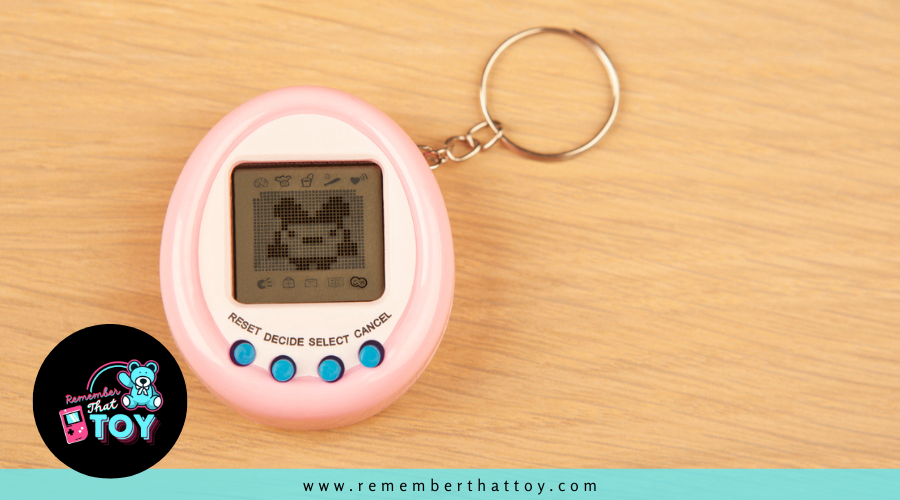
| Electronic Companions | Tamagotchi | Virtual pets that required feeding, cleaning, and care. |
| Electronic Companions | Furby | Interactive, talking creature that "learned" and responded. |
| Electronic Companions | Poo-Chi | Robotic dogs that responded to commands and evolved behavior. |
| Electronic Companions | Bop It | Reflex game with voice commands like "twist it" and "pull it." |
| Fuzzy Companions | Tickle Me Elmo | Laughing plush that caused a buying frenzy in 1996. |
| Fuzzy Companions | Teddy Ruxpin | Tape-playing storytelling bear, popular again in the 90s. |
| Cult Classics | Sky Dancers | Flying dolls recalled for safety issues but fondly remembered. |
| Cult Classics | Game Boy Color | Handheld gaming console that defined mobile gaming. |
| Cult Classics | Bratz Dolls | Bold fashion dolls that gained cult status among collectors. |
Key Takeaways
- "The Incredible Crash Test Dummies" featured crash test gimmicks and controversial injury simulations, discontinued in 1994.
- "Mummies Alive!" toys depicted mummy battles, fading from popularity despite a supporting TV series.
- Lite Brite allowed children to create glowing images with colorful pegs, capturing imaginations.
- Pogs served as playground currency, popular for their colorful designs and gameplay.
- Betty Spaghetty offered bendable figures for imaginative hairstyles and creative play.
Retro Collectibles
Retro collectibles from the '90s hold a special charm for those who remember them as childhood gems. These valuables tap into nostalgic values, reminding you of simpler times when Beanie Babies were more than just stuffed animals—they were coveted collectibles. The collectible trends of the period saw playgrounds teeming with Pogs, those small, colorful discs that doubled as currency among friends.
Beanie Baby craze reshaped the collectibles market, turning these plush toys into must-have items for both children and adults. Pokémon cards became an economic system of their own, with rare cards like Charizard turning schoolyards into vibrant trade hubs. Polly Pocket's miniature playsets delighted, their intricate designs sparking imaginations and a desire for complete collections.
Meanwhile, Mighty Max offered a darker twist, fascinating with its monster-themed micro playsets. Each item carries memories of youthful excitement and trading adventures. Furby, released in 1998, quickly became a must-have toy as its interactive robotic features captivated children and collectors alike.
Electronic Companions
As the '90s brimmed with beloved collectibles, it also marked a fascinating period for electronic companions that captivated young imaginations. You couldn't escape the allure of virtual petcare and interactive gadgets, transforming playtime into a digital adventure.
Here's a nostalgic look at four iconic electronic companions:
- Tamagotchi (1996): Pioneered virtual petcare, demanding attention and nurturing to keep your digital pet thriving.
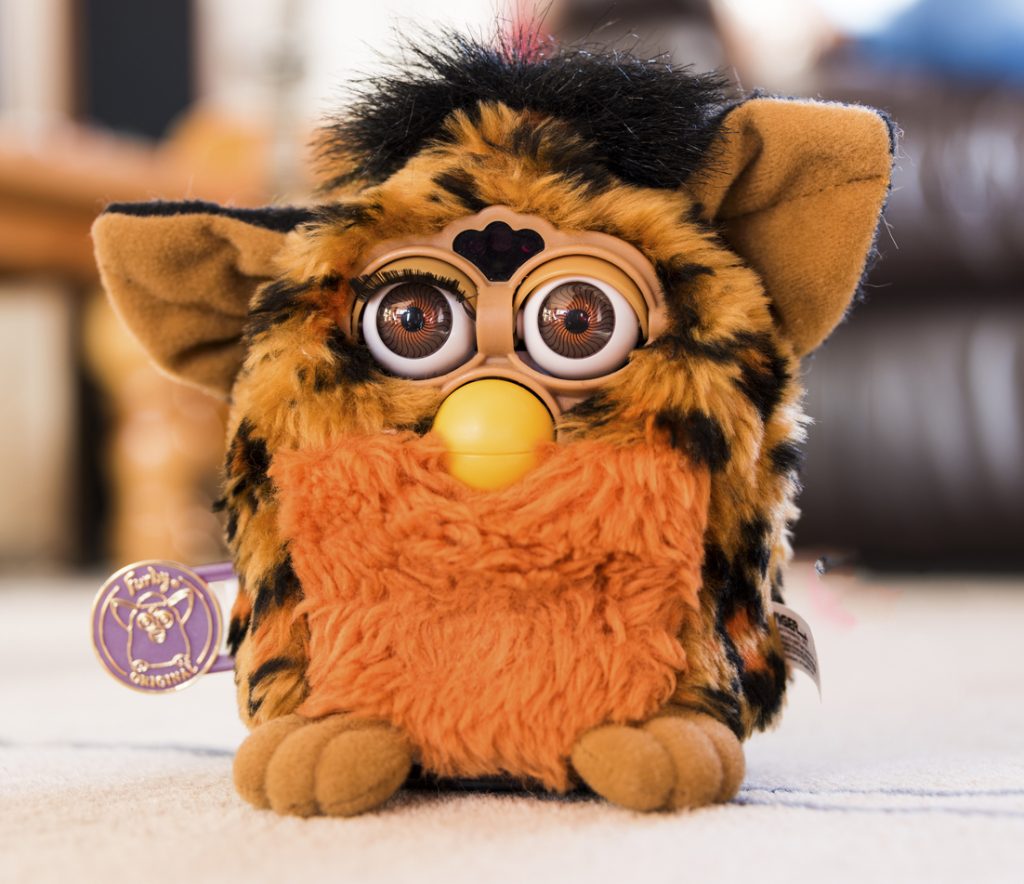
- Furby (1998): This fuzzy creature learned languages and responded to environmental cues, sparking both fascination and privacy concerns. The cultural impact of Furby is evident, with over 40 million units sold, making it a must-have holiday gift.
- Poo-Chi (1999): These robotic dogs exhibited evolving personalities and responded to commands, bringing robotic companionship to life.
- Bop It (1996): An interactive gadget challenging you with rapid voice commands, creating a viral sensation among friends.
Notably, these toys integrated early attempts at AI, which laid the groundwork for future developments in interactive technology. These companions made technology an integral part of childhood fun.
Forgotten Action Toys
View this post on Instagram
The '90s action toy scene wasn't just about the hits; it was also filled with intriguing yet forgotten lines that never quite captured the spotlight. Take "Mummies Alive!"—this line brought mummy battles to life with characters like Rath and Ja-Kal, promising epic showdowns against evil sorcery. Despite a TV series, these toys never rivaled the popularity of the Ninja Turtles, eventually fading from store shelves. The line, which was set in 90s-era San Francisco, couldn't maintain interest and quickly became obscure. Meanwhile, "The Incredible Crash Test Dummies" offered a unique twist with their crash test gimmicks. You'd smash them into cars and watch limbs fly, simulating chaotic car crashes. Though praised for creativity, the realistic injury simulations sparked controversy, leading to their discontinuation in 1994. Both lines now serve as nostalgic reminders of forgotten '90s action adventures. When you think of fuzzy companions from the '90s, iconic toys like Beanie Babies, Furby, and Tickle Me Elmo probably come to mind. These toys weren't just playthings; they were must-haves that sparked massive popularity and nostalgia. Fuzzy '90s toys like Beanie Babies and Furby weren't just playthings; they were cultural phenomena. Although the '90s were filled with diverse types of toys, creative ones stood out by sparking imagination and encouraging self-expression. Toys like the Lite Brite and Doodle Bear were perfect for creative exploration. Lite Brite allowed you to design glowing images with colorful pegs, bringing your imaginative play to life in the dark. Meanwhile, Doodle Bear combined the fun of plush toys with the freedom to draw and decorate, letting you personalize your cuddly friend repeatedly. Betty Spaghetty offered a bendable canvas for designing funky hairstyles, providing endless styling possibilities. The Easy-Bake Oven turned you into a mini pastry chef, baking delightful treats. It evolved from the original model since the 60s and the early-2000s version was discontinued for safety, ensuring a modern version that allows kids to bake tasty treats safely. Finally, Polly Pocket Starlight Castle compact sets invited you to craft enchanting, miniature adventures. Magna Doodle, with its magnetic drawing board, was another creative staple, allowing children to draw and erase effortlessly while fostering hours of imaginative play. Creative toys in the '90s fired up imaginations, but it was the cult classics that truly captured hearts and sparked frenzies across playgrounds and living rooms. These iconic toys didn't just entertain; they became cultural phenomena that defined a generation. Regardless of they triggered holiday shopping chaos or inspired nostalgia-driven trends, their impact endures. Here's a look at some unforgettable cult classics: Cult classics of the '90s: iconic toys that shaped a generation and fueled unforgettable playground frenzies. You've probably wondered about the most expensive toy from the 90s. Immerse yourself in the world of toys prices and rare collectibles to find the Pikachu Illustrator card, bought for a whopping $6 million by Logan Paul in 2022. Though technically a card, its collectible status makes it a standout in 90s nostalgia. Other high-value items include the Nintendo PlayStation Prototype at $360,000, and the 1996 Super Mario 64 game at $1.56 million. You might not realize it, but 90s toys profoundly shaped today's gaming industry. The nostalgia factor plays a huge role in gaming evolution, inspiring design choices rooted in early experiences with handheld devices like Game Boy. Competitive play mechanics and licensed content from the 90s laid the groundwork for modern esports and cross-media franchises. Even simulation games owe a nod to virtual pets like Tamagotchi, influencing today's lifestyle gameplay trends. You might wonder why some 90s toys got banned in schools. Toys restrictions often stemmed from school policies addressing safety concerns and distraction issues. For instance, Gameboys and Tamagotchis distracted students, while Beyblades posed injury risks. Pogs led to gambling-like behavior, and candy cigarettes promoted negative habits. Schools aimed to create a safe, focused environment, so they banned these toys when they disrupted learning or posed potential harm to students. You might wonder why 90s toys felt so unique compared to today's. It's all about the plastic creativity and the nostalgia factor. Toys like Stretch Armstrong used gel-filled rubber, offering an unmatched tactile experience. Meanwhile, Beanie Babies' plush fabric and intricate stitching provided a sense of quality. These materials, often combined with groundbreaking manufacturing techniques, crafted memories that today's toys just can't replicate. Remembering them brings back a warm wave of nostalgia. In the 90s, toy commercials impacted your buying behavior through advertising psychology and consumer influence. They used celebrity endorsements and emotional priming to make toys irresistible. Cross-brand partnerships and fast-food tie-ins further drew you in. Ads reinforced gender roles, influencing your preferences by maturity five. Repeated exposure and peer pressure made certain toys must-haves, often leading to unmet expectations and a materialist mindset. You couldn't resist the allure of these cleverly marketed toys.Fuzzy Companions
Creative Toys
Cult Classics
Frequently Asked Questions
What Was the Most Expensive Toy From the 90S?
How Did 90S Toys Influence Today's Gaming Industry?
Why Did Some 90S Toys Get Banned in Schools?
What Materials Made 90S Toys Unique Compared to Today?
How Did 90S Toy Commercials Impact Children's Buying Behavior?