The Story of Z Bots as a Beloved 1990s Action Toy
In the early 1990s, a unique line of action figures called Z Bots emerged, enchanting kids everywhere. Invented by Galoob in 1992, the Z-Bots Series was designed for imaginative play, allowing children to immerse themselves in a futuristic world where these colorful characters battled evil forces. Their lively colors and fanciful designs captured your attention, while the ability to customize them with interchangeable limbs sparked creativity.
Galoob marketed Z Bots to kids through effective promotional campaigns, including partnerships with popular fast-food chains like Burger King and KFC. These tie-ins greatly increased their visibility, making them a must-have collectible for children during that time. Although Z Bots didn't have a strong media presence, they still captivated young audiences with their unique storyline and engaging aesthetics.
Similar to the Transformers Generation One Revival, Z Bots managed to maintain a nostalgic appeal that continues to resonate with collectors today.
View this post on Instagram
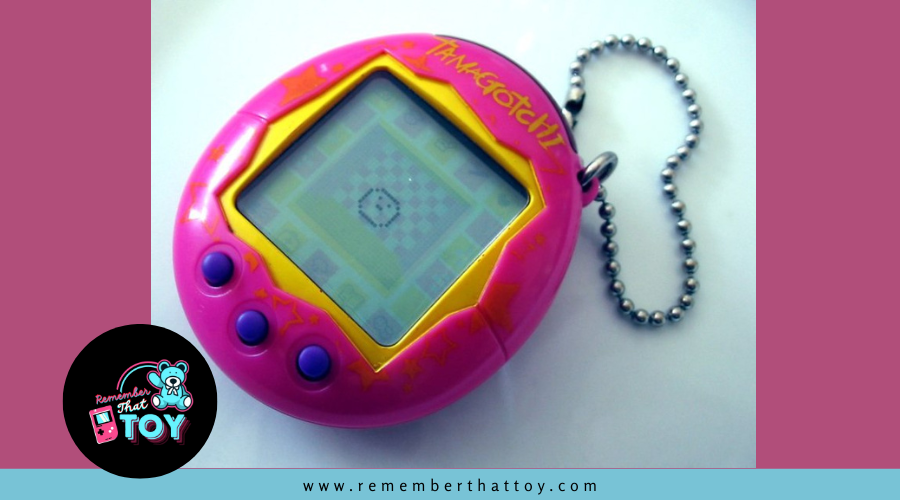
Among Z Bots, Morphbots stand out with their transformation abilities, allowing you to switch forms for dynamic play. Bitebots, with their large mouths, emphasize action and excitement, perfect for imaginative battles. Then there are Linkbots, which let you combine smaller Zbots and Voids to create entirely new characters, expanding your storytelling possibilities. If you're looking for something more compact, Mini Zs are just what you need. These tiny machines measure only 1/2 inch tall and feature interchangeable parts, giving you a chance to customize your Z Bots in countless ways. For a little extra thrill, Revbots come equipped with motors, providing improved speed that adds a dynamic twist to your play scenarios. The Z Bots line also includes a range of accessories like vehicles and playsets, allowing you to build an expansive universe of action. Each Z Bot is designed with lively colors and playful aesthetics, appealing to both children and collectors alike. With such distinct types, the Z Bots universe offers endless opportunities for creativity and fun! Promotions played a crucial role in making Z Bots a household name during the 1990s. One of the standout moments was their feature in the 1994 Burger King Kids Meals, which greatly enhanced their visibility among children. By partnering with a popular fast-food chain, Z Bots captured the attention of a young audience enthusiastic for collectible toys with their meals. KFC also jumped in on the action, tapping into the same strategy to engage young consumers. Z Bots didn't just stop at being collectible figures; they came to life through engaging playsets and accessories that sparked imaginative play. These giant playsets allowed you to create interactive scenarios, enhancing your comprehensive experience with the toys. With a range of accessories, including spaceships and extra figures, you could expand the Z-Bot universe, providing endless options for creative storytelling. Designed to be compatible with different Z-Bot types, the playsets facilitated the combination and customization of characters during play. This versatility encouraged you and your friends to collaborate, exploring the imaginative worlds you created together. Special features in these playsets made them even more appealing, fostering social interactions and making playtime a shared adventure. The inclusion of playsets and accessories greatly elevated the collectibility of Z Bots, reinforcing their nostalgic value among enthusiasts. Each set you added to your collection wasn't just a toy; it was a key to reveal new stories and experiences, solidifying Z Bots' status as memorable 1990s action toys. Akin to the nostalgic joy of owning a Tamagotchi, these playsets offered a sense of responsibility and creativity, ensuring each adventure was uniquely your own. Similar to Bratz Dolls, which offered an alternative to Barbie, Z Bots appealed to a specific niche, captivating a loyal fanbase. Today, the cultural impact of Z Bots remains evident, as nostalgic adults celebrate their significance in 1990s toy culture. The diverse cast of characters in the Z Bots universe showcases imaginative designs and distinctive traits that captivate fans. Take Brainiax, for instance, with its alien brain design and dual-arm articulation, often seen as a charismatic leader wielding a rotating saw weapon. This blend of organic and mechanical aesthetics made it a standout. Then there's Nastee, who evolved from a lead villain into a chaotic raider, featuring shark-like jaws and a second mouth that serves as an arm, embodying a truly menacing personality. Suckoid challenges traditional hero archetypes with its unique suction cup legs, initially perceived as a hero despite its unconventional look. In contrast, Armetor packs a punch, combining a cute appearance with formidable firepower, proving that size doesn't always dictate strength. Finally, you've got Beedy, the shortest figure in the collection, who serves as an intergalactic bounty hunter equipped with guns, adding depth to its narrative. These characters, reminiscent of the Battle Beasts vibe, could easily fit within a Machines Museum, showcasing the creativity and charm that made Z Bots a beloved part of 1990s toy culture. You'll find lively discussions on platforms like Etsy and dedicated forums, where collectors share knowledge, trading tips, and restoration ideas to improve their collections. The collectibility of vintage Z-Bots from the 1990s has skyrocketed, with prices ranging from 28.57 SEK to 1,785.71 SEK, depending on rarity and condition. Special editions, especially those from fast-food promotions, greatly increase their appeal, making certain figures highly coveted among fans. With their bold designs, creative mechanics, and engaging playsets, Z Bots managed to carve out a unique space in the world of action figures. The clever marketing strategies, including fast-food tie-ins and colorful campaigns, further cemented their place in toy history.Diverse Varieties of Z Bots
Popular Promotions and Marketing
Engaging Playsets and Accessories
Iconic Characters and Their Traits
Community and Collectibility Today
Wrapping Up