
The Story of Metal Jack Sets and Their Popularity
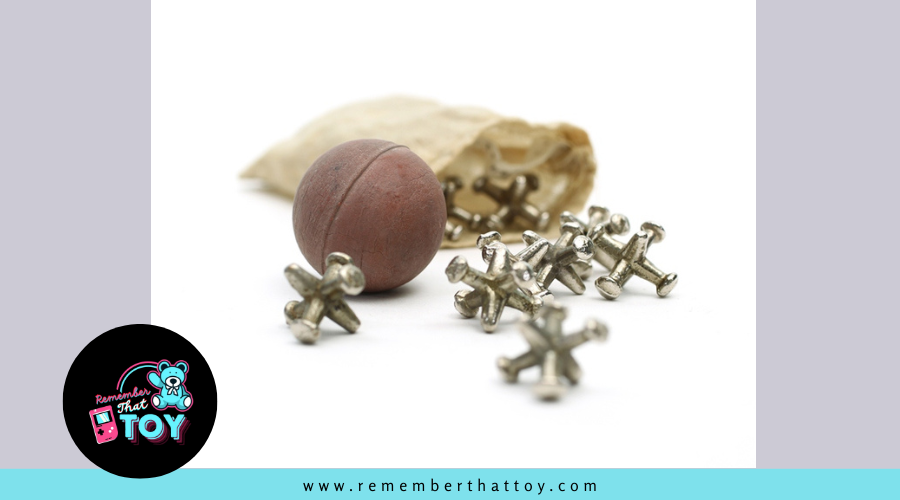
The game of jacks, known in ancient times as knucklebones, has a rich history that stretches back to at least 5000 BCE. You might be surprised to learn that children in ancient cultures played this game using sheep astragalus bones and stones, reflecting the simple yet engaging nature of the game. Evidence suggests that both the Ancient Greeks and Egyptians enjoyed variations of jacks, which were often attributed to legendary figures like Palamedes and Thoth, highlighting its significance through the eras.
The term "jacks" itself derives from the Ancient Greek word "astragaloi," referring to the bones used in gameplay. As time progressed, the materials changed, shifting from natural items like bones and pebbles to more modern versions made of metal and plastic. This change occurred primarily in the early 20th century in the United States, where jacks gained immense popularity among children.
In 2014, UNESCO recognized knucklebones as part of Intangible Cultural Heritage, underscoring its lasting cultural relevance. This recognition not only celebrates the game's ancient origins but also emphasizes its evolution, ensuring that jacks will continue to engage new generations for years to come.
Image: The Children's Museum of Indianapolis, The Children's Museum of Indianapolis - Jacks, CC BY-SA 3.0
Evolution of Game Mechanics
As jacks evolved from their ancient origins, the game mechanics also transformed markedly over time. In its traditional form, the game is played by tossing a ball and picking up jacks in a sequence. You start with one jack and gradually increase the challenge to collect up to ten jacks before catching the falling ball. This basic structure remains at the heart of jacks, but modern game variations have introduced new layers of complexity.
With the introduction of rubber balls and durable metal jacks in the early 20th century, gameplay became faster and more dynamic. Players now engage in techniques emphasizing speed and dexterity, refining their skills during each turn. Competitive versions of the game have emerged, featuring timed rounds and point systems that challenge players to strategize and raise their performance. Similar to the strategic play in Rock'em Sock'em Robots, balancing offense and defense is vital in jacks to ensure success.
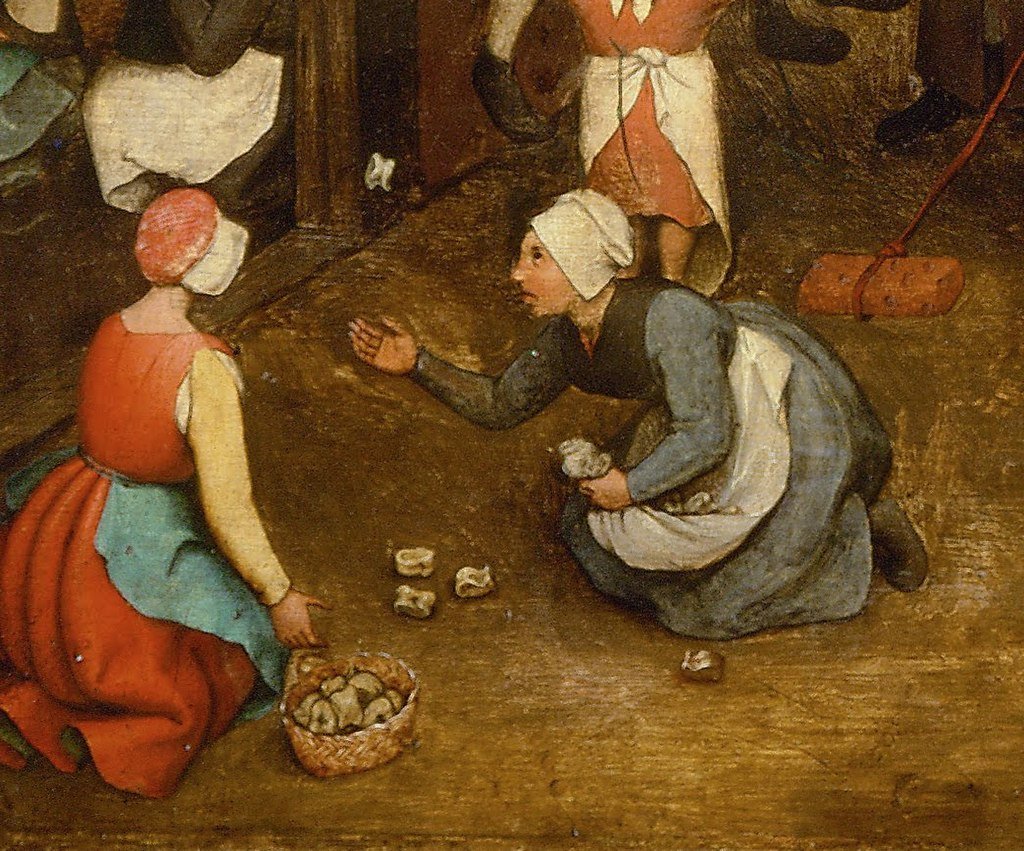
Image: Pieter Bruegel the Elder, Pieter Bruegel the Elder - Children's Games - Google Art Project - (part) - Knucklebones, CC BY-SA 4.0
Popular Materials and Designs
Metal jacks have become the preferred choice for many players, thanks to their durability and sleek design. Traditionally made from materials like bones or stones, metal jacks, often crafted from brass or steel, offer a significant upgrade in both aesthetics and longevity. The classic set includes six metal jacks and a rubber ball, ensuring ideal bounce for the game played.
Contemporary designs have evolved to captivate younger audiences with lively colors and polished finishes, making these small objects visually appealing. Here are four key features that highlight the popularity of metal jacks:
- Durability: Metal jacks withstand wear and tear much better than traditional materials.
- Aesthetic Appeal: The sleek, shiny finish attracts players of all generations.
- Diversity: Different sizes and shapes cater to an assortment of playing styles, enhancing the complete experience.
- Accessibility: Mass production has made these sets affordable, bringing the joy of the game to more children.
Cultural Impact and Significance
There's no denying that metal jacks have made a significant mark on popular culture, particularly in the United States, since the early 20th century. Their cultural significance lies not only in their role as a beloved children's game but also in how they foster social interaction and improve hand-eye coordination. Unlike traditional jacks made from bones or stones, metal jacks brought durability and a modern aesthetic, appealing to a new generation.
The inclusion of metal jacks in the National Toy Hall of Fame further emphasizes their lasting impact. They evoke nostalgia, reminding you of simpler childhood days spent playing with friends. While metal jacks have seen different regional versions, their core essence remains the same. They symbolize a broader shift towards safer, more durable toys during the mid-1900s. Drawing a parallel to water toys, the Super Soaker's impact on outdoor play mirrors how metal jacks have shaped indoor games, fostering community and creating memories for generations.
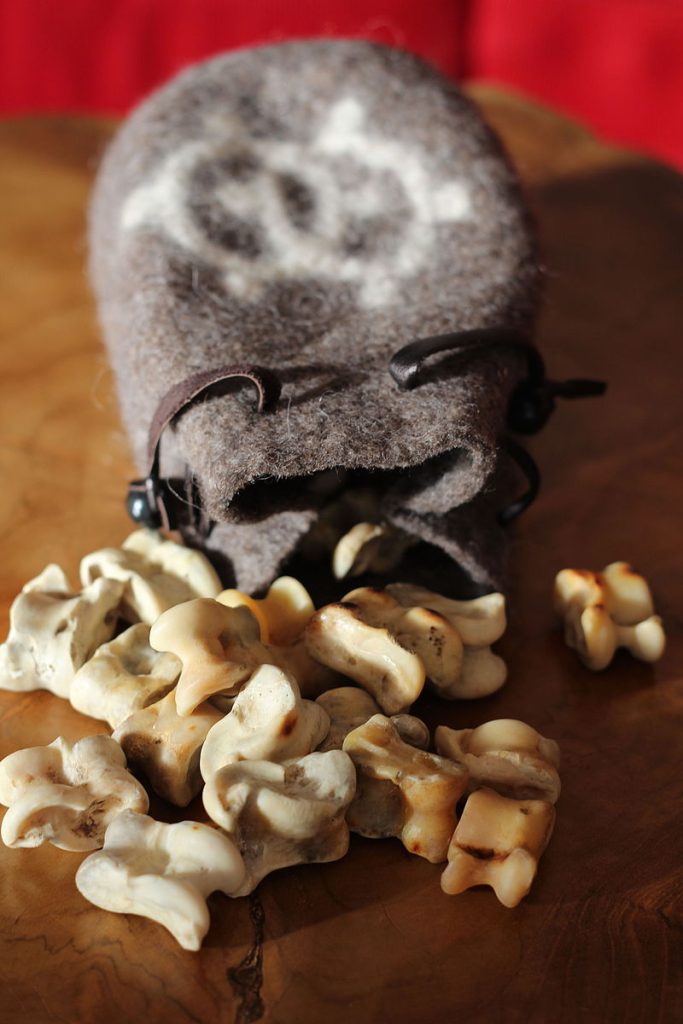
Image: Sarah Joy from United Kingdom, Mongolian game (6325695968), CC BY-SA 2.0
Regional Variations and Adaptations
The charm of jacks isn't limited to one style or material; it varies considerably across regions. Each culture has adapted the game to suit local preferences and available materials, showcasing unique interpretations of this ancient pastime.
- In the U.S. and Canada, metal jack sets typically consist of 6-12 jacks and a small rubber ball, emphasizing skill and eye-hand coordination crucial for gameplay.
- In Central Europe, players use six seeds, alternating hands to pick them up, which highlights a clever regional adaptation.
- In ancient Egypt, children played knucklebones using up to 10 apricot seeds, showcasing a preference for natural materials.
- In Japan and China, similar games involve cloth bags filled with rice, sand, or beans, reflecting local resourcefulness.
These regional adaptations not only keep the game of jacks alive but also allow parents to encourage their children in developing critical skills. The variations illustrate how a simple idea can transform over time and space, ensuring that the joy of playing jacks continues to thrive in diverse environments.
Educational Benefits of Jacks
When you encourage your children to play jacks, you're helping them develop vital fine motor skills and hand-eye coordination. These skills are fundamental for their physical development and can improve their performance in activities like writing and sports.
Furthermore, jacks require strategic thinking and planning. As players decide the best approach to collect the jacks while managing the bounce of the ball, they learn to think critically and make quick decisions. This game also promotes social skills, as it involves taking turns, communicating, and collaborating with others, fostering a sense of community and teamwork.
Community Engagement and Nostalgia
Nostalgia for metal jack sets brings people together, creating a unique sense of community across eras. You may remember playing Jacks as a kid, just like kids in ancient Egypt enjoyed their own versions of the game. This shared experience fosters intergenerational bonding, allowing you to connect with others who have similar memories.
Here are four ways community engagement around metal jack sets thrives:
- Local Events: Community gatherings and tournaments let players of all backgrounds come together to share their love for Jacks.
- Storytelling: Adults often reminisce about their youthful experiences, sharing variations they played and introducing the game to their children or grandchildren.
- Online Forums: Social media platforms provide spaces for enthusiasts to discuss strategies, swap stories, and connect over their passion for Jacks.
- Inclusive Play: The simplicity and accessibility of the game mean anyone can participate, making it an ideal activity for families and friends.
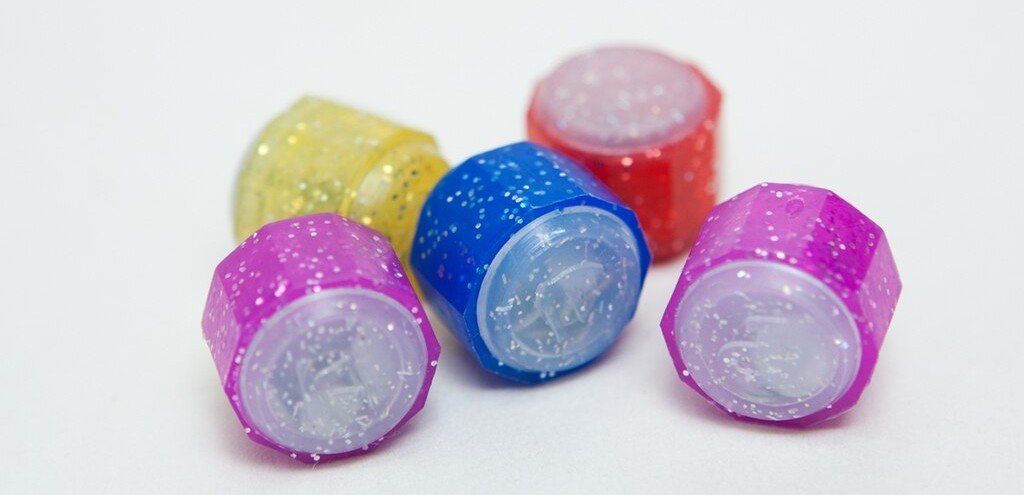
Image: 국립국어원, Gonggi pebbles, CC BY-SA 2.0 KR
Modern Trends in Gameplay
Modern gameplay of jacks has taken on thrilling new dimensions, appealing to both seasoned players and newcomers alike. Today, you might find yourself using a set of six metal or plastic jacks and a lively rubber ball. The objective remains the same: bounce the ball and pick up the jacks, but the experience has evolved.
Organized tournaments and competitive play have emerged, showcasing players' skills and dexterity. These events draw in spectators and participants, turning a nostalgic pastime into an adrenaline-fueled competition. Brightly colored jacks and balls improve the visual appeal, making the game more engaging for younger audiences, who are enthusiastic to join in.
Moreover, digital adaptations of jacks have opened the game to a broader audience, blending traditional gameplay with online platforms. This shift allows you to play with friends regardless of location, making it easier to enjoy jacks anytime, anywhere. Schools are also incorporating jacks into physical education programs, promoting hand-eye coordination and cooperative play among students. With these modern trends, jacks continue to thrive, ensuring that this classic game remains relevant for generations to come.
Wrapping Up
From ancient Egyptian children playing with apricot seeds to modern tournaments and digital versions, the story of jacks reflects the game's universal charm. Played in schoolyards, at community events, or passed down through family gatherings, jacks continue to hold a special place in hearts worldwide.



.jpg)
