The Story Behind Disney’s Iconic Stuffed Mickey Mouse
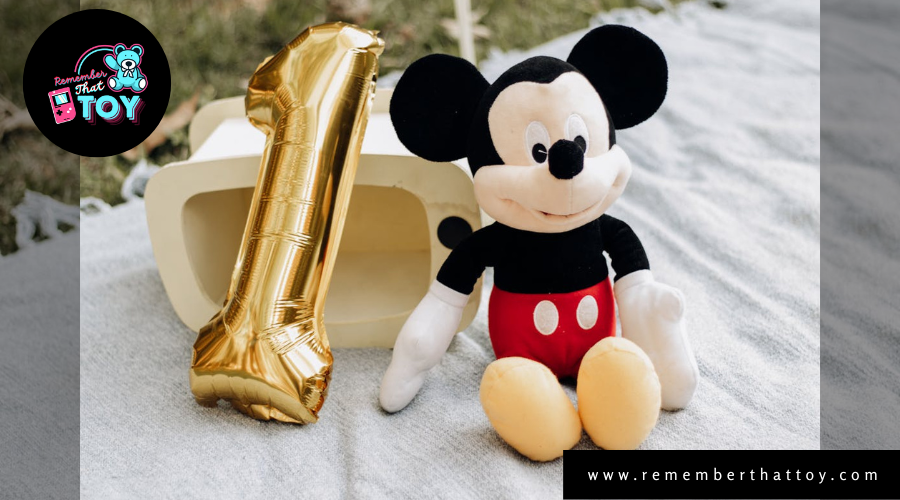
The origins of the Mickey Mouse doll can be traced back to January 1930 when Charlotte Clark created the first plush version, setting the stage for Disney’s foray into licensed merchandise. This initial Mickey Mouse doll captured the beloved character’s charm and quickly gained popularity. By February 1930, Disney had signed a merchandise contract with Geo. Borgfeldt & Co., enabling wider distribution.
Despite production challenges, including limited resources and quality control issues, only three to four hundred dolls were produced weekly. Nevertheless, the demand for these dolls soared, making the Mickey Mouse doll one of Disney’s earliest and most cherished plush toys, beloved by children and collectors alike.
The Evolution of Plush Toys
The early 1930s marked a pivotal moment in the toy industry with the introduction of plush toys like Mickey Mouse, which led to a surge in character-based merchandise that captivated both children and collectors. The journey of Mickey Mouse plush toys began with Charlotte Clark’s initial doll in January 1930, setting a benchmark for quality and likeness.
Here’s a concise timeline highlighting key developments in the plush toy industry:
- 1930: Charlotte Clark created the first Mickey Mouse plush toy, establishing its initial popularity.
- 1931: Steiff produced the first commercial Mickey Mouse plush toy, further solidifying the character’s fame.
- 1932: DIY patterns became available, enabling fans to make their own Mickey Mouse plush toys at home.
- 1947: Gund Manufacturing Company took over production, continuing the high standards of quality.
This evolution of Mickey Mouse dolls not only showcases advances in craftsmanship but also highlights a growing engagement between consumers and their favorite characters.
Material and Design Innovations
Plush toys have seen significant advancements in materials and design, enhancing both their safety and appeal for children. The evolution of Mickey Mouse plush toys exemplifies this transformation. The initial models produced by Steiff in 1931 set high standards for character-based merchandise, showcasing innovative branding within the toy industry.
Over the years, advancements in materials have led to softer, more durable, and safer toys. Modern Mickey Mouse plush toys now feature premium stitching and high-quality, child-friendly materials. These improvements not only enhance durability but also ensure each toy remains safe for all age groups.
Each Mickey Mouse plush toy undergoes rigorous safety testing, upholding Steiff’s commitment to quality craftsmanship since 1880. This dedication means that purchasing a Mickey Mouse plush toy is an investment in a beloved character that brings joy and comfort to children. Whether for playtime or snuggles, these plush toys continue to delight kids while prioritizing their safety and well-being.
Cultural Impact and Legacy
Mickey Mouse plush toys have profoundly impacted popular culture, shaping the landscape of character-based merchandise and fostering enduring connections between fans and the iconic character. Since the debut of the first stuffed Mickey Mouse doll in 1930, these toys have become emblematic of childhood joy and nostalgia. Mickey Mouse’s legacy transcends being just a toy; it is a cultural phenomenon that has influenced multiple generations.
Three key aspects of this legacy include:
- Homemade Engagement: The 1932 release of DIY sewing patterns enabled fans to craft their own Mickey and Minnie dolls, creating personal bonds with the characters.
- Quality Standards: Early production challenges led to stringent quality control measures, ensuring that Mickey Mouse dolls remained highly desirable among children and collectors.
- Modern Collectibles: Contemporary plush toys showcase Mickey’s evolution while retaining their status as treasured collectibles for fans of all ages.
Disney’s unwavering commitment to quality and innovation ensures that Mickey Mouse dolls continue to resonate deeply in contemporary culture, representing not just a beloved character, but also a timeless piece of cultural heritage.
Mickey Mouse’s Cultural Significance
As one of the world’s most beloved cartoon characters, Mickey Mouse transformed animation and storytelling, fundamentally altering how audiences connect with fictional personalities. Walt Disney’s vision brought him to life, making Mickey a symbol of creativity and imagination.
Here’s a closer look at Mickey Mouse’s cultural impact:
| Aspect | Description |
|---|---|
| Animation Milestone | Mickey’s debut in ‘Steamboat Willie’ set new standards for synchronized sound in animation. |
| Global Recognition | Today, Mickey Mouse is recognized worldwide, appearing in diverse forms of media, fashion, and art. |
| Disney Parks Influence | As the mascot for Disney parks, Mickey attracts millions of visitors, enhancing their magical experience. |
Through these dimensions, Mickey Mouse has transcended mere entertainment to become a cultural icon, influencing generations of creators and audiences alike. His legacy continues to inspire new stories and forms of artistic expression, reflecting the timeless vision of Walt Disney.
Design Features of Mickey Plush
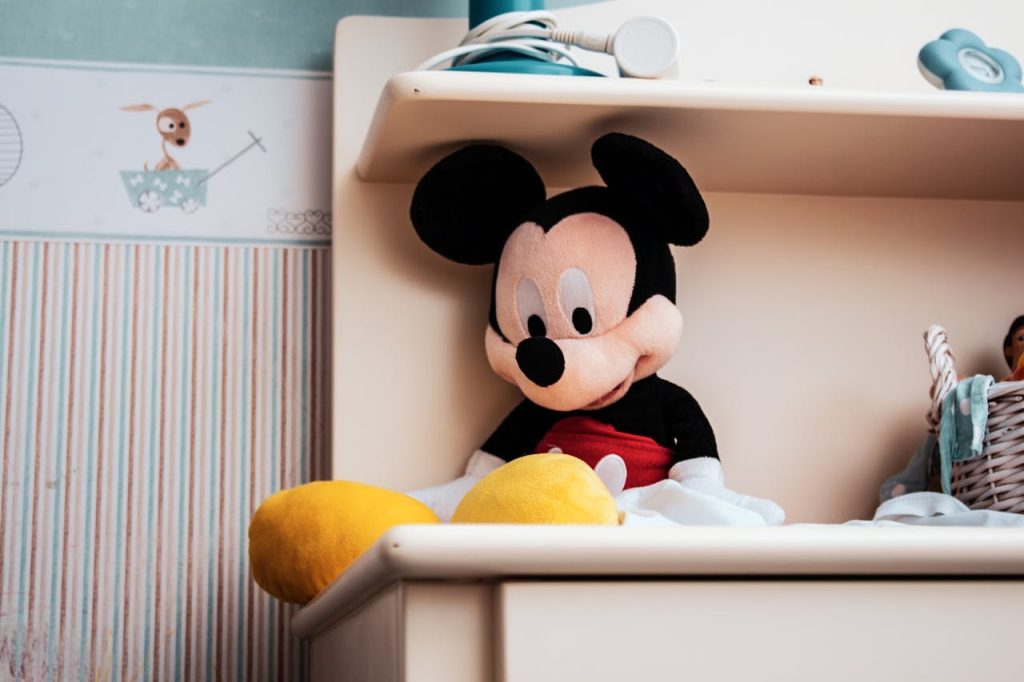
Disney’s iconic Mickey Mouse plush toy showcases a friendly design that captures his cheerful personality and vibrant outfit, making it an irresistible companion for fans of all ages. Combining comfort and durability, this plush can withstand cuddles and playtime adventures.
Key features of the Mickey Mouse plush include:
- Color Variations: Available in classic black and red, as well as themed outfits reflecting seasonal or special events.
- Size Options: Ranging from small travel buddies to larger display pieces. The standard plush measures 18 inches tall, ideal for children aged 3 and up.
- Character Accessories: Some versions come with accessories like hats or shirts, allowing for customization and enhanced playtime.
These thoughtful design elements ensure the Mickey Mouse plush toy remains a delightful and enduring addition to any collection.
Quality and Safety Standards
When choosing a plush toy, knowing that Steiff prioritizes quality and safety standards can provide peace of mind. Since 1880, Steiff has adhered to rigorous safety protocols, ensuring each Mickey Mouse plush toy is safe for children of all developmental stages. You can trust that the company employs strict health safety measures, allowing your child to enjoy their plush companion safely for years.
Quality assurance is central to Steiff’s manufacturing process. Each Mickey Mouse plush undergoes extensive testing to assess durability and safety before reaching consumers. This careful attention to detail reflects the brand’s long-standing reputation for excellence, highlighted by their iconic Button in Ear.
Mickey Mouse in Popular Media
Mickey Mouse has captured hearts and imaginations in popular media for nearly a century, becoming an iconic figure in animation and entertainment. His influence extends far beyond the screen, impacting various aspects of culture. From his debut in ‘Steamboat Willie’ to starring roles in films like ‘Fantasia’ and ‘Mickey’s Christmas Carol,’ Mickey’s appeal remains timeless.
You may have seen Mickey in advertisements, where he often symbolizes joy and childhood innocence. Brands leverage his iconic status to evoke positive emotions, making him a powerful marketing tool. This widespread presence has significantly contributed to the growth of the Mickey Mouse fandom, a passionate community that celebrates all things Mickey. Fans engage through merchandise, fan art, and social media, sharing their love for the character and Disney’s legacy.
Mickey Mouse also enjoys a prominent role as the mascot for Disney theme parks, enhancing visitor experiences and attracting millions annually. His global reach, evident in numerous translations and international celebrations, underscores how he represents American culture and entertainment worldwide. Through these avenues, Mickey Mouse continues to enchant audiences and inspire new generations.
Impact on the Toy Industry
The introduction of the Mickey Mouse doll in 1930 revolutionized the toy industry by setting a new standard for character-based merchandise. This iconic plush toy not only captured the hearts of children but also reshaped how brands approached character licensing trends. Its success led to several key developments in the toy industry:
- Quality Standards: In an effort to replicate the craftsmanship of Mickey Mouse plush toys, companies improved the overall quality of stuffed toys.
- Character Licensing: Disney’s model for licensing became a blueprint for other franchises, leading to a proliferation of licensed merchandise.
- Fan Culture: Mickey Mouse merchandise sparked an evolution in fan culture, creating a dedicated community of collectors and enthusiasts around character-themed toys.
Mickey Mouse Merchandise Trends
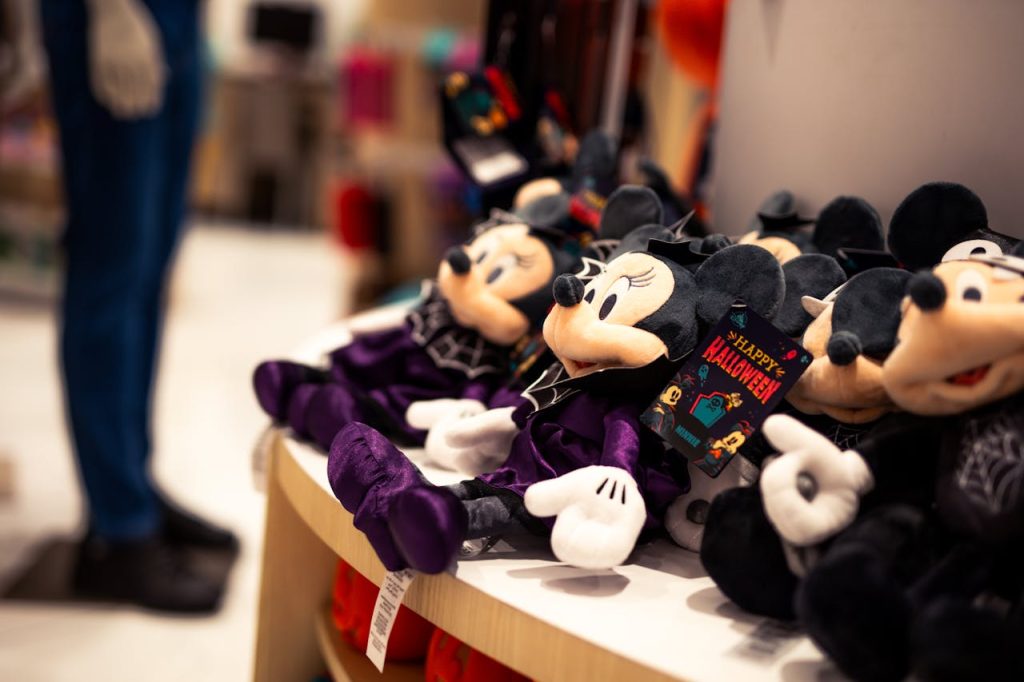
The evolution of plush toys, particularly those featuring beloved characters like Mickey Mouse, showcases a fascinating journey from simple designs to intricate collectibles that capture the hearts of fans across generations. Since the initial Mickey Mouse plush toys were produced in 1930, the landscape of plush toy trends has transformed remarkably, driven by character licensing and consumer engagement.
Here are three key developments in Mickey Mouse plush toys:
- DIY Toy Culture: The introduction of DIY patterns in 1932 allowed fans to create their own Mickey dolls, fostering creativity and deepening their connection to the character.
- Quality Craftsmanship: The Gund Manufacturing Company took over production in 1947, ensuring that each plush toy reflected the quality that fans expected and cherished.
- Diverse Designs: Over the decades, Mickey Mouse plush toys have evolved in size, materials, and design, appealing to both children and adult collectors alike.
This evolution highlights how Mickey Mouse merchandise has adapted to changing consumer preferences while maintaining its iconic status. As a result, these plush toys continue to resonate with audiences, blending nostalgia with modern trends.
Collectible Mickey Mouse Items
From vintage dolls to limited-edition plush toys, the extensive range of Mickey memorabilia appeals to collectors of all generations. As interest in Mickey Mouse grows, collectible pricing strategies have also become sophisticated, with some items fetching impressive sums on secondary markets.
Collectors often seek rare finds, and vintage Mickey merchandise can command high prices due to its nostalgic value. Restoration of vintage items can breathe new life into worn pieces, adding personal value and charm to any collection.
Introduced in the 1930s, DIY patterns fostered a culture of personalized merchandise that still resonates today. The enduring popularity of Mickey Mouse ensures a steady introduction of new products, attracting both seasoned collectors and newcomers. Each collectible piece tells a story, connecting you to Disney’s legacy and the timeless joy of Mickey Mouse. Whether you’re a casual fan or a serious collector, there’s something special waiting for you in the world of Mickey Mouse collectibles.
Popular Merchandise Collaborations
In recent years, collaborations between Disney and various brands have sparked a wave of creative Mickey Mouse merchandise that resonates with both loyal fans and new audiences. These partnerships have resulted in exclusive collections that celebrate Mickey’s iconic status while introducing fresh designs and concepts.
Here are three key trends in Mickey Mouse merchandise collaborations:
- Fashion Collaborations: Brands like Uniqlo and Vans have created stylish apparel and footwear featuring Mickey Mouse, appealing to both nostalgic adults and trendy youth.
- Artistic Collaborations: Disney has partnered with renowned artists to produce limited-edition art pieces and collectibles, expanding the brand’s reach into the art community and attracting collectors.
- Lifestyle Collaborations: From kitchenware to home decor, brands like Loungefly and Le Creuset have launched exclusive collections incorporating Mickey Mouse, making him a part of everyday life.
These brand expansions not only increase Mickey Mouse’s visibility but also cater to diverse consumer interests, ensuring the beloved character remains relevant across generations. With each new collaboration, Mickey continues to capture hearts in creative and exciting ways.
Conclusion
From its humble beginnings in the 1930s with Charlotte Clark’s original design to becoming a global symbol of childhood joy, the Mickey Mouse plush toy has transcended generations. Its evolution in craftsmanship, design, and cultural influence reflects Mickey’s enduring appeal as both a beloved character and a cherished collectible.
Related posts