The Role of Wooden Pull Toys in Early Childhood Development
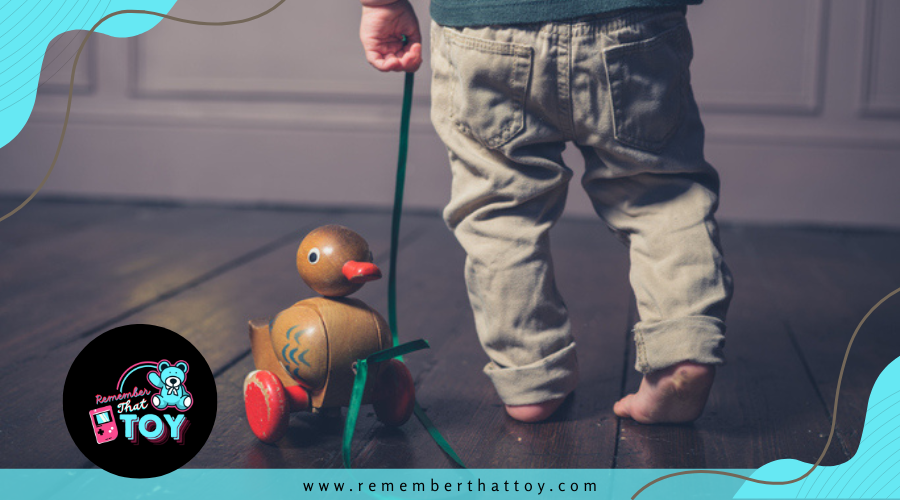
Pull toys play a significant role in early childhood development, especially for toddlers between 15 to 18 months who are just mastering their walking skills. These toys encourage physical activity, helping your child build strength and coordination as they pull them along. When your toddler navigates obstacles while playing, they develop vital problem-solving skills and learn to adapt their movements to different environments.
Using pull toys also improves whole-body coordination, as your child engages multiple muscle groups, including their arms, legs, and torso. This interaction strengthens fine motor skills through grasping and pulling, setting the foundation for future tasks requiring dexterity.
Moreover, the engaging nature of wooden pull toys supports cognitive development. As your child experiments with cause and effect during play, they start to understand how their actions lead to different outcomes. This exploration is essential for their comprehensive learning experience.
Developmental Milestones
As toddlers engage with pull toys, they reach notable developmental milestones that mark their growth and progress. Typically, kids start pushing toys before shifting to pulling, with pulling skills emerging around 15 to 18 months of development. This ability to pull toys indicates steady walking, a key milestone in your child's motor development.
Wooden pull toys promote not only physical growth but also cognitive skills. As toddlers pull these toys, they improve their gross motor skills, engaging multiple muscle groups that enhance coordination and balance while maneuvering their surroundings. This interaction fosters resilience and independence as your child learns to overcome challenges during play.
Benefits of Wooden Toys
Wooden toys offer numerous benefits that greatly improve a toddler's development. When your child engages with toys made of wood, they're not just having fun; they're also enhancing their physical skills. Pulling and pushing these toys encourages whole-body coordination as they use different muscle groups to navigate around obstacles. This active play fosters motor development, allowing them to refine their balance and agility.
Moreover, the tactile experience of wooden toys promotes the development of fine motor skills. As your child grasps and pulls, they're improving their dexterity, which is essential for tasks like writing and buttoning clothes later on. These toys also encourage problem-solving skills; your child learns to navigate challenges in their play, enhancing cognitive development.
Additionally, wooden toys provide a safe play environment. The natural materials used in these toys are free from harmful chemicals and small parts, ensuring your child's safety during their explorations. Through these interactions, your child learns about cause and effect, solidifying their understanding of the world. To conclude, investing in wooden pull toys not only supports your child's physical and cognitive growth but also provides a safe and enriching play experience.
Social and Emotional Benefits
Pull toys often become companions for toddlers, sparking imaginative play and storytelling. A child might pretend their pull toy is a pet or a vehicle, creating scenarios that boost creativity and emotional expression.
Playing with these toys alongside peers or siblings also promotes sharing and turn-taking, helping children develop essential social skills.
Wooden pull toys stimulate a child’s problem-solving and critical-thinking abilities. As kids figure out how to maneuver their toys around corners or over uneven surfaces, they engage in decision-making and planning.
Some pull toys are designed with additional interactive features like shapes to sort or blocks to stack. These add-ons promote early math and reasoning skills, making the toy both fun and educational.
Types of Pull Toys
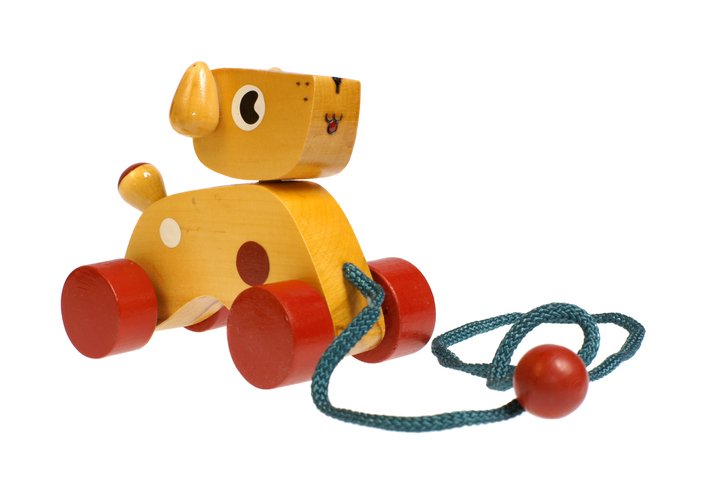
A variety of pull toys cater to different developmental needs and play styles, making them a fantastic improvement to your child's toy collection. For instance, doll strollers like the Forest Pomea promote imaginative play, offering your child the opportunity to play in role-playing scenarios. These toys encourage creativity while engaging your child's brain in storytelling.
Sensory trains, such as Soft Clemmy, provide a rich sensory experience that stimulates tactile exploration, helping your little one learn to pull and develop coordination by adding different textures to their playtime. Metal strollers offer durability, making them perfect for active play environments where pull toy falls might occur.
DIY pull-along trucks allow children to personalize their play experience, fostering a sense of ownership. Ride-on walkers, like the Lama, not only aid in mobility and balance but also facilitate the shift from crawling to walking, which is crucial for motor skill development.
Selecting Safe Toys
When choosing pull toys for your child, safety should be your top priority. Start by selecting wooden toys that are free from small parts, as infants and toddlers love to investigate toys with their mouths. Look for options made from non-toxic materials; safety standards require that these toys be crafted without harmful chemicals, guaranteeing your child's health is protected.
Next, check for sturdy construction. Durable wooden toys can withstand the wear and tear of active play, reducing the risk of breakage that could lead to safety hazards. Furthermore, opt for toys with smooth edges and finishes. This minimizes the chance of cuts or splinters, creating a safer play environment for your little one.
View this post on Instagram
Encouraging Imaginative Play
Choosing safe toys paves the way for enriching play experiences, and wooden pull toys excel in fostering imaginative play. Their simple designs inspire your child to invent stories and develop creative scenarios, allowing for limitless exploration. With no predefined instructions, these toys encourage sensory exploration, engaging your child's tactile senses as they manipulate natural materials.
As your child plays with wooden pull toys, they encounter role-playing opportunities that are crucial for building narrative skills. By articulating their play experiences, they improve descriptive language and storytelling abilities. Engaging in imaginative play not only sparks creativity but also promotes cognitive development. Your child learns to navigate their imagined worlds, which requires problem-solving and critical thinking.
Conclusion
Wooden pull toys are more than nostalgic keepsakes—they are powerful tools for early childhood development. They strengthen motor skills, ignite cognitive growth, and nurture creativity, all while encouraging eco-friendly play.
If you’re looking for a toy that combines simplicity, durability, and developmental benefits, a wooden pull toy is an excellent choice. It’s a gift that grows with your child, offering both fun and learning every step of the way. So, let your little one grab the string, pull along their new companion, and take those first steps into a world of endless discovery.