The Role of Vintage Card Games in 1960s Playtime
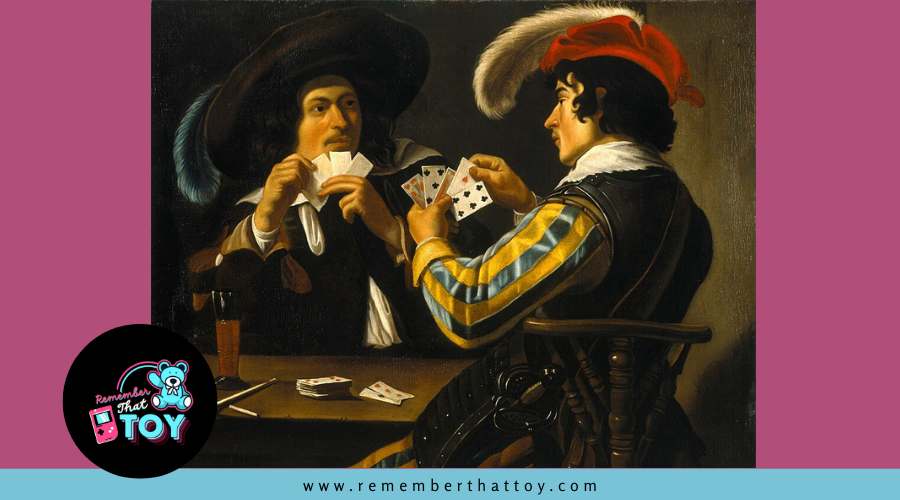
In the lively social scene of the 1960s, card games played a crucial role in bringing families and friends together. You'd find everyone gathered around the table, laughter echoing as they engaged in classic games like Old Maid. This fanciful game, often featuring charming artwork, was a staple at family gatherings, providing endless fun for players of all generations.
Crazy Eights also captured the hearts of children thanks to its straightforward rules and fast-paced gameplay. It kept kids entertained for hours, creating a lively atmosphere of excitement and competition. Meanwhile, Rummy catered to a broader audience, with its numerous adaptations appealing to both casual players and those who enjoyed strategic gameplay.
Additionally, games like Tripoley combined elements of Poker and Rummy, fostering social dynamics that encouraged both competitive spirit and camaraderie. For adults, Bezique emerged as a favorite in card clubs, offering a more strategic challenge. These games not only entertained but also strengthened bonds, making them an integral part of 1960s social life.
Why Card Games Were a Hit in the 1960s
The appeal of card games in the 1960s came down to a mix of practicality and universal charm. They were affordable, portable, and suitable for people of all ages. At a time when entertainment options were limited, card games provided hours of fun with minimal setup. Families often played after dinner or on weekends, making it a tradition that brought everyone together.
Classic Vintage Card Games of the 1960s
The 1960s gave rise to many beloved card games that remain classics to this day. Each game had its own charm, bringing something unique to the table.
- Old Maid: Simple and fun, this game was a hit with younger children. Its playful premise made it a favorite for family game nights.
- Go Fish: This memory and matching game was easy to learn and perfect for kids who loved a little friendly competition.
- Rummy: A more strategic option, Rummy appealed to older kids and adults who enjoyed a good challenge.
- War: Fast-paced and based on pure luck, this game requires no complicated rules, making it accessible to everyone.
- Solitaire: A solo game that offered moments of quiet entertainment and focus.
Social Interaction Through Card Play
The simplicity of the rules made it easy for players of all ages to join in, promoting inclusivity and strengthening relationships. As you played, you weren't just passing the time; you were engaging in valuable social interaction that helped forge lasting memories.
In a time before digital distractions, these low-cost entertainment options fostered genuine interactions, ensuring that the bonds formed over card games remained cherished parts of your life. So, the next time you shuffle a deck, remember how these games shaped social interactions in the 1960s.
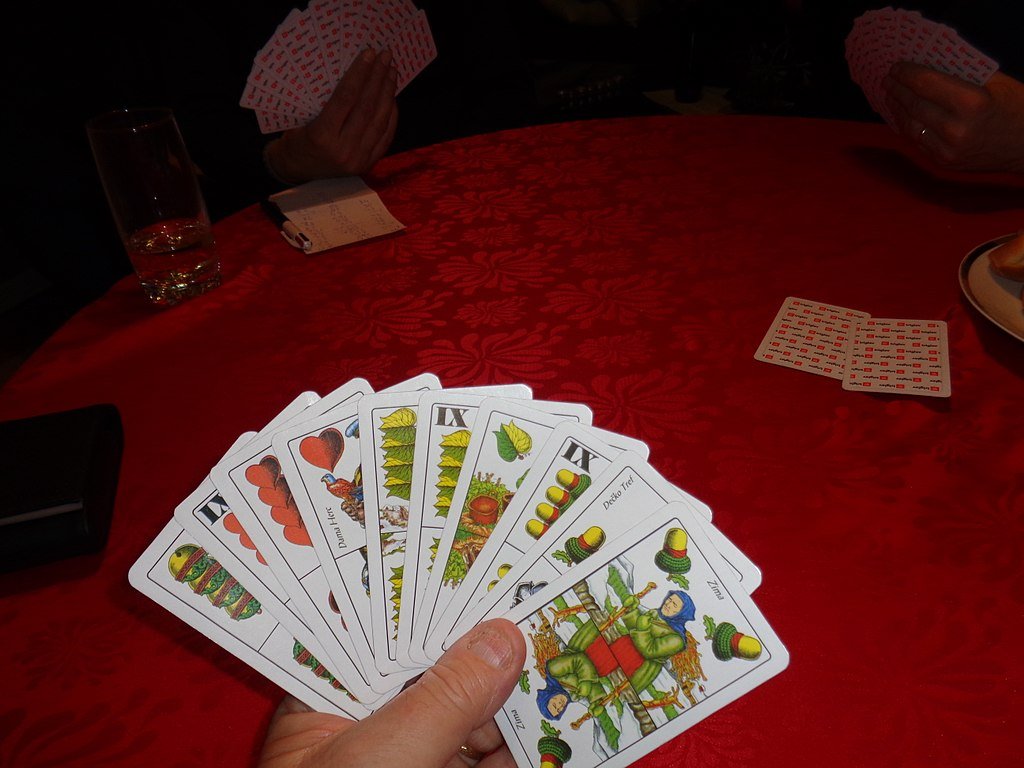
Image: Silverije, Preferans (card game) in Croatia.2, CC BY-SA 4.0
_in_Croatia.2.jpg)
How Card Games Fit Into 1960s Culture
Card games were more than just a pastime—they were woven into the fabric of everyday life during the 1960s.
- Family Bonding: Game nights were a regular occurrence, providing a chance for families to connect without distractions.
- After-School Fun: Kids would gather after school to play card games, strengthening friendships and keeping boredom at bay.
- Screen-Free Entertainment: Without digital distractions, card games became a go-to activity for keeping minds active and engaged.
- Creating Traditions: Families passed down favorite games, making card games a source of nostalgia and connection across generations.
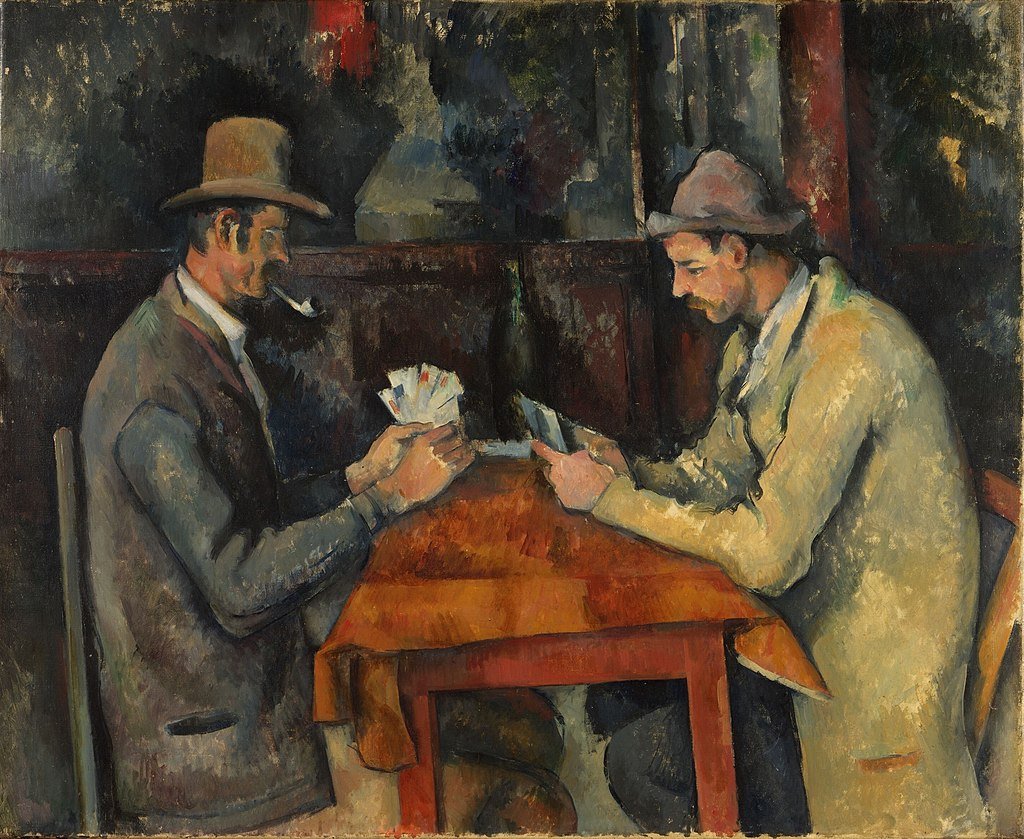
Why Vintage Card Games Still Matter
The appeal of these games hasn’t faded, even in today’s tech-dominated world. Vintage card games remind us of the power of simplicity. They require no screens, no Wi-Fi, and no complicated gadgets—just people coming together to share an activity.
For families looking to unplug and reconnect, these games are a perfect choice. They’re not just entertaining; they help develop important skills like problem-solving, communication, and sportsmanship. And for those who grew up in the 1960s, introducing these classics to younger generations offers a way to share a piece of their childhood.
Conclusion
Vintage card games played a vital role in shaping playtime during the 1960s. They weren’t just a way to pass the time—they were a centerpiece for connection, laughter, and friendly competition. Families gathered around the table for Old Maid and Rummy, creating memories that would last for generations. These games taught valuable skills like strategy, teamwork, and sportsmanship, all while bringing people closer together.
Related posts