The Rise of Plastic Soldiers in the 1930s
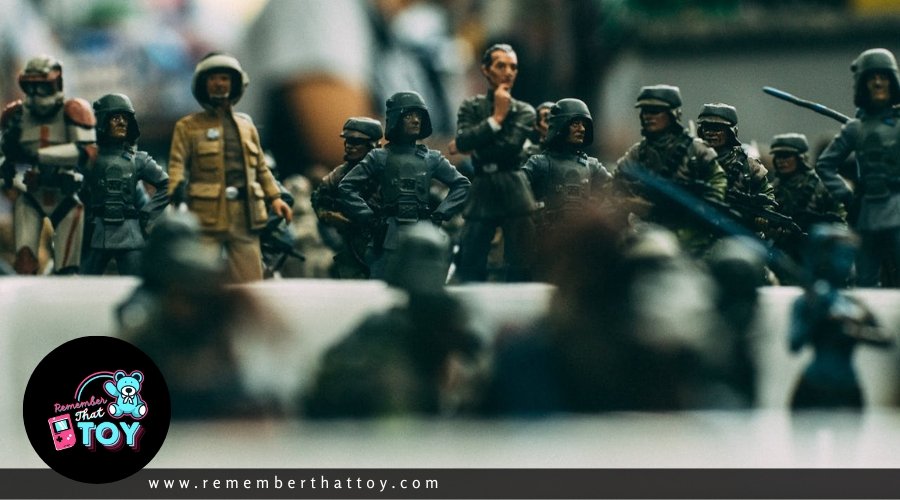
Originating in the 1930s, plastic army men transformed the toy industry by providing affordable, durable figures that captivated the imaginations of countless children. Made from low-cost PVC, these figures typically stand about 2.5 cm tall and are most often found in the iconic green color, representing mid-20th-century U.S. Army infantry soldiers. Equipped with a variety of weapons, these figures are perfect for staging imaginative battles in backyards or living rooms.
By the 1960s, these figures could be purchased for as little as a penny. This low cost, combined with their durable design, made them a staple in toy collections. Often sold with vehicles and accessories, they enabled endless play scenarios, fostering creativity and storytelling.
Most production of plastic army men occurs in China, utilizing efficient injection molding techniques. This allows for mass production, making it easy to build large armies without significant expense. Their lasting appeal lies in both nostalgia and the simple joy they bring to imaginative play, ensuring they remain timeless toys for generations.
Origins and Development
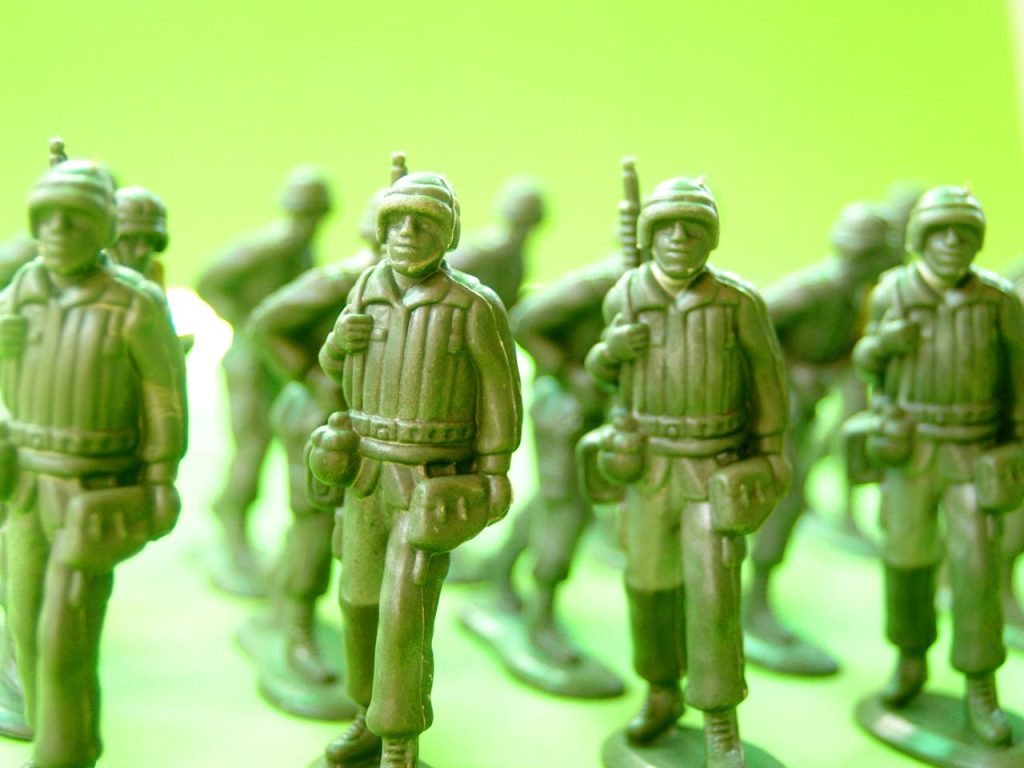
The introduction of the first American plastic toy soldiers by Bergen Toy & Novelty Company in 1938 marked a pivotal moment in the toy industry, leading to the widespread popularity of plastic army men. These green figures quickly captured the imaginations of children across America, offering a new means for imaginative play. Post-World War II, the demand for these toys surged, prompting companies like Marx and Timmee to enter the market. Recognizing the potential, they began producing their own versions of plastic soldiers.
The transition from metal and lead to low-cost plastic, primarily PVC, enabled mass production, making these toys affordable for families. By the mid-1960s, plastic army men were priced as low as a penny each, thanks to bulk sales and extensive distribution networks. The figures were typically scaled around 1:32, standardizing them for use in various playsets and dioramas.
This focus on affordability and accessibility ensured that plastic army men became a staple in toy boxes, allowing generations of children to create their own battles and stories with these iconic green soldiers.
Cultural Significance
Plastic army men have captivated the imaginations of children for decades, serving as both toys and cultural symbols of playtime adventure.
Their popularity soared during World War II, reflecting the military themes of the era while entertaining children. By the mid-1960s, the cost of these figures had dropped to as low as a penny each, further enhancing their accessibility. Today, plastic army men remain deeply ingrained in popular culture, featuring prominently in movies like Toy Story, where they symbolize childhood imagination and nostalgia.
Beyond play, their cultural significance extends into art and media. They have appeared in guerrilla poetry and music videos, showcasing their versatility and broader impact. This adaptability underscores that plastic army men are more than just toys; they are integral to creative expression and childhood memories, reminding us of the enduring power of imagination during playtime.
Military Representation in Culture
Military representation in culture is significantly influenced by the presence of plastic army men, which function both as toys and as symbols of the bravery and sacrifice associated with real soldiers. During WWII, these figures played a crucial role in promoting military values and nationalism, shaping how children perceive warfare and military service.
Their cultural significance can be seen across various media, including the popular Toy Story films and their recognition in Time magazine's list of 100 most popular toys. However, societal concerns about violence in play have led some schools to ban plastic soldiers, reflecting the complex relationship between childhood play and perceptions of aggression.
Nostalgia and Collectibility
Many fondly remember the hours spent constructing elaborate battle scenes with these iconic plastic toy soldiers, which served as a simple yet powerful catalyst for imagination.
Collectors often pursue vintage models from notable brands like Britains and Marx, which command higher prices due to their rarity and quality. The rise of niche markets for customized army men showcases a growing community that values both historical significance and artistic expression in these toys.
Moreover, the recognition of TimMee Plastic Toy Soldiers in the National Toy Hall of Fame cements their status as an American classic.
Educational Uses
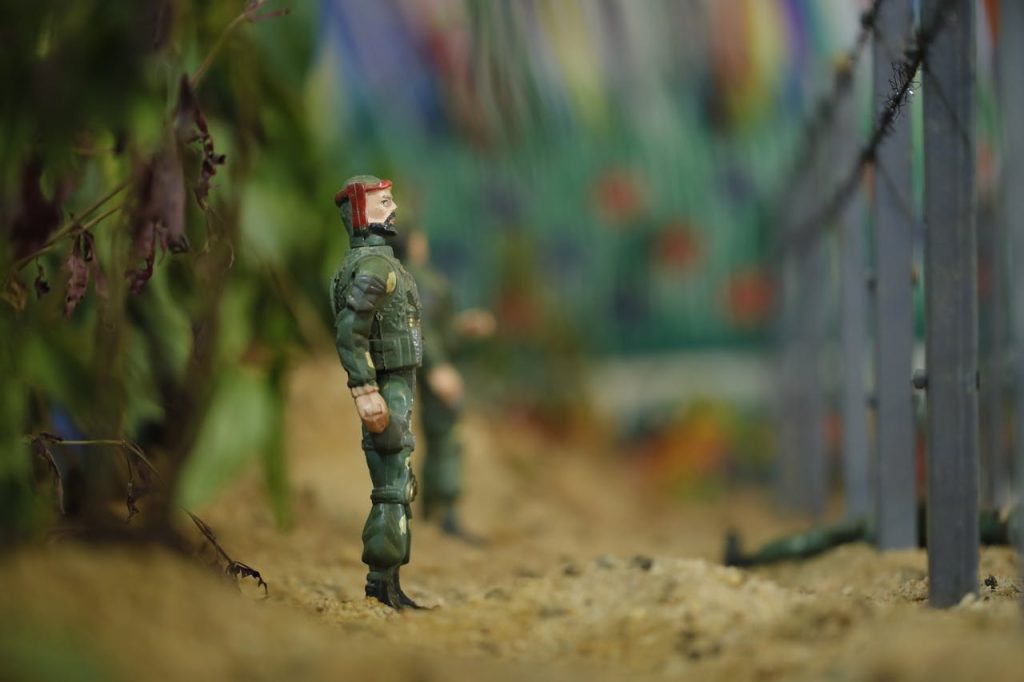
Plastic army men serve as effective educational tools, helping students visualize and understand historical events through interactive play. In various educational contexts, these toy soldiers represent military-themed events, facilitating hands-on historical investigations. By incorporating army men into lessons, educators can reenact significant battles or parades, making history more engaging and tangible.
Their affordability and accessibility make plastic army men ideal for educators aiming to create interactive learning experiences on a budget. This approach fosters creativity and critical thinking, as students engage in imaginative play to reenact historical scenarios, promoting a deeper understanding of history.
Additionally, online communities focused on collecting army men offer new avenues for educational discussions. These platforms encourage exploration of military culture and the evolution of toy design, enriching the learning experience beyond traditional classroom settings. Utilizing plastic army men not only enhances historical knowledge but also connects learners with peers who share similar interests, making education more dynamic and enjoyable.
Military Tactics Simulations
Using plastic army men in the classroom enables the simulation of military tactics, bringing historical battles and strategies to life for students. These toy soldiers offer a hands-on approach to learning about military history and operations, allowing for the representation of different military units and equipment, which helps students visualize complex scenarios.
Incorporating army men into lesson plans fosters engaging discussions on warfare, leadership, and decision-making. This interactive method enhances critical thinking as students devise strategies and plan movements in simulated battles, contributing not just to historical knowledge but also to the development of essential skills.
Consider these benefits of using toy soldiers for military tactics simulations:
- Visual learning: Students better understand concepts when they can see and manipulate figures.
- Team collaboration: Working in groups mirrors real-life military operations and builds teamwork.
- Strategic thinking: Planning movements encourages critical analysis and problem-solving.
- Engagement: Students are more likely to participate when learning involves interactive play.
- Real-world connections: Understanding military tactics can lead to discussions about modern military operations and ethics.
Creative Imaginative Play
Incorporating imaginative play with army men not only enhances understanding of military tactics but also stimulates creativity and storytelling in educational settings. Using toy soldiers allows children to reenact historical events and explore significant military themes. This type of imaginative play enables kids to engage deeply with history, discussing tactics and leadership while comprehending the broader impact of warfare on society.
As children create their own scenarios with army men, they nurture their creativity and storytelling skills. They collaborate to design battle plans, promoting teamwork and strategic thinking. This playful interaction makes learning enjoyable and supports cognitive development by encouraging problem-solving and critical thinking.
Manufacturing and Cost Trends
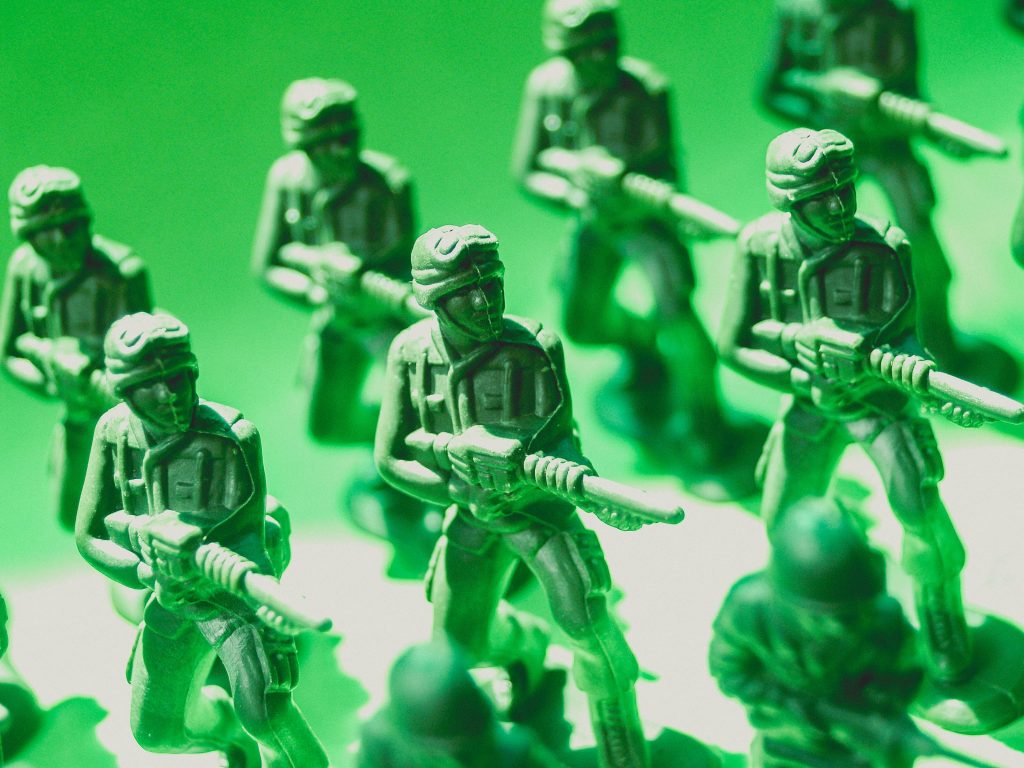
Manufactured since the 1930s, plastic army men have become synonymous with affordability due to advancements in injection molding, which have significantly reduced production costs. This innovation changed the manufacturing process, enabling companies to produce detailed plastic figures at scale. By the mid-1960s, the price of these popular toys had dropped to as low as a penny per figure, making them accessible to countless children.
Conclusion
Plastic army men have evolved significantly since their introduction in the 1930s. These miniature figures have not only ignited imagination but have also become cultural icons, connecting different generations through play. As they continue to adapt to modern trends, their enduring charm persists. Whether used for nostalgic purposes or educational activities, army men are likely to retain a cherished place in both childhood memories and the history of toys for years to come.