The Most Iconic Toys of the 2010s
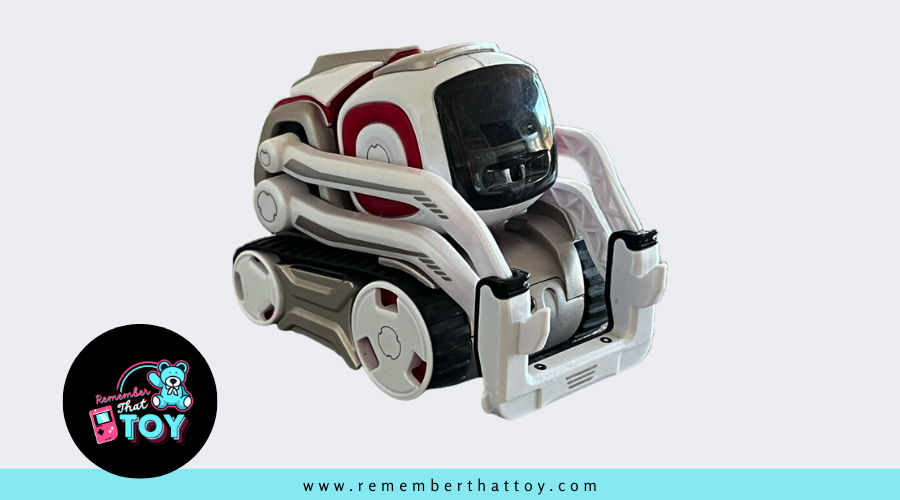
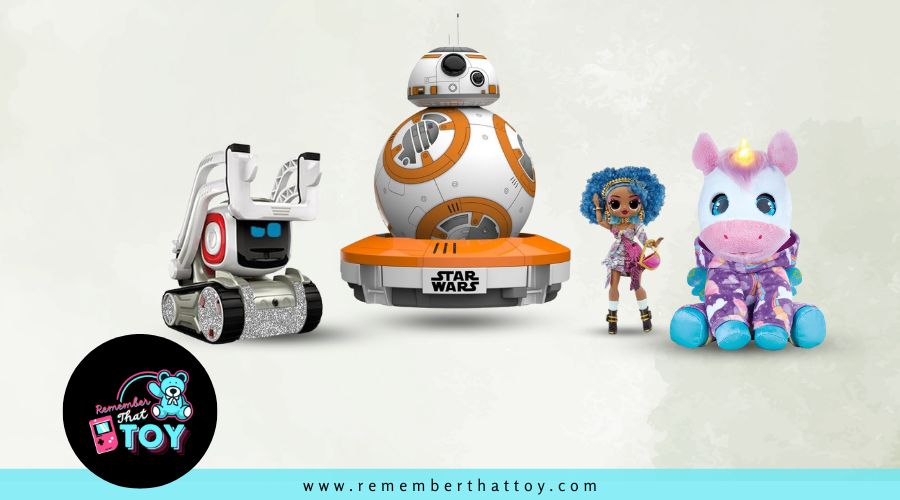
DecafPotato, Anki Cozmo, CC BY-SA 4.0
In the 2010s, the toy industry experienced a remarkable transformation fueled by technology-integrated toys like BB-8, which combined traditional play with app-enabled experiences. During this decade, collectible toys gained immense popularity, with products like L.O.L. Surprise! and Funko Pop! figures leading the charge. These toys not only encouraged the thrill of unboxing but also shaped new consumer habits centered on collecting.
In addition, the rise of STEM-focused toys, such as LEGO Boost and coding robots, highlighted a growing emphasis on educational value in play. Iconic toys from earlier years, such as the Nintendo DS, continued to influence play with their dual-screen design and extensive game library. In summary, the 2010s marked a dynamic period in the toy industry, blending entertainment with education and innovation.
Innovative Tech Toys
As the 2010s progressed, tech toys began to redefine how children interacted with play. One standout was the BB-8, an app-enabled droid by Sphero released in 2015, which let you control the droid via your smartphone. This groundbreaking tech toy brought the Force of technology into your hands, allowing for diverse interactive activities.
In 2017, LEGO Boost took things a step further by blending traditional building with coding. It enabled you to create and program interactive models, promoting STEM learning while having fun.
Another impressive entry was Cozmo, introduced by Anki in 2016. This robot could recognize faces, play games, and learn from your interactions, showcasing how AI was increasingly becoming a part of toys.
The Nintendo Switch, launched in March 2017, transformed gaming by allowing you to switch seamlessly between handheld and console modes, changing how you experienced games.
Osmo, which debuted in 2014, combined physical play with digital learning through interactive games that utilized a tablet and tangible objects.
FurReal Friends interactive plush toys mimicked real animals with lifelike sounds and movements. From cuddly kittens to playful ponies, FurReal Friends offered companionship and entertainment.
Teksta robotic pets brought advanced interactivity to playtime, responding to commands, walking, and even barking. They were perfect for kids who wanted a lifelike pet experience.
Collectible Toy Phenomena
What made the 2010s a golden age for collectible toys? The decade marked a significant rise in collectible toy phenomena that captivated both kids and adult collectors. Lines like Shopkins and Funko Pop! figures became household names, inviting extensive trading and community engagement. You may remember the excitement of unboxing L.O.L. Surprise! dolls, which launched in 2016. These dolls combined the thrill of surprise with collectibility as you peeled back layers to reveal themed dolls hidden within.
Minecraft’s blocky aesthetic translated perfectly into collectible figures and plushies, letting fans bring their favorite characters and creations out of the screen.
Squishmallows, with their soft and squishy designs, became an instant hit for kids and teens. Their wide variety of characters made them irresistible to collectors.
Though they originated earlier, Yu-Gi-Oh! cards saw continued popularity in the 2010s, with new expansions and rare cards keeping collectors engaged.
Media-Influenced Toys
The 2010s saw toys take center stage as they capitalized on the massive influence of media. Media-influenced toys dominated the market, with blockbuster movies like Frozen driving sales of merchandise that became top sellers. Frozen ranked as one of Disney's top five properties in 2014, exemplifying how film can notably impact toy trends.
Video games also played an essential role, with Fortnite figures and Angry Birds merchandise becoming immensely popular. In 2012, Angry Birds accounted for over 40% of Rovio's revenues, showcasing the powerful connection between gaming and toys. Streaming services further fueled this trend, leading to the expansion of toy lines based on animated series like Ninjago, meeting the growing demand for toys linked to popular media content.

The Paw Patrol series inspired a line of figures and playsets featuring the lovable canine rescue crew. The Lookout Tower and Adventure Bay playsets made the action-packed world of Paw Patrol come alive.
In the 2010s, The Peppa Pig franchise charmed preschoolers with its toy houses, cars, and playgrounds. These toys let kids recreate the whimsical world of Peppa and her family.
The viral success of Baby Shark turned into a toy phenomenon with plush toys that played the song, bringing endless singalongs to homes worldwide.
Role-Playing and Imaginative Play
Brands like Monster High and Barbie showcased a diverse range of characters that resonated with contemporary values, empowering children to see themselves reflected in their toys. Action figures from franchises like Marvel and Star Wars dominated the market, allowing you to engage yourself in thrilling stories and enact epic adventures.
Playsets from companies like Playmobil encouraged you to create intricate scenarios, fostering storytelling skills and imaginative examination. Dress-up costumes also became mainstream, letting you investigate different identities and careers, from superheroes to doctors, all while having fun.
Even Zhu Zhu Pets entered the scene, allowing kids to engage in imaginative pet play, where you could create entire worlds for your furry friends.
While simple, slime kits were a hands-on way for kids to create something unique. Adding colors, sparkles, and scents let them personalize their creations, sparking creativity.
The Truly Me line gave kids the opportunity to create dolls that looked like themselves. With customizable features, these dolls encouraged storytelling and individuality.
Meanwhile, NERF Zombie Strike Toys added a thrilling twist, blending active play with creative scenarios as you participated in foam missile combat.
In 2016, Hatchimals' unique appeal with their interactive unboxing experience captivated children's imaginations, sparking a holiday toy frenzy.
Educational and STEM Toys
As children investigated the world of play in the 2010s, educational and STEM toys emerged as powerful tools that blended fun with learning. Coding robots such as Botley became staples, effectively teaching programming concepts in a way that felt like a game rather than a chore.
Magformers, with their magnetic attraction, ensured strong and stable connections, allowing children to explore geometric concepts and enhance their creativity through versatile constructions.
Cozmo, an AI-powered robot, was a huge hit for teaching basic coding skills through play. Its personality and interactive features made learning feel like a game.
Crayola’s special paper and markers revealed hidden designs, adding a magical touch to art projects. These sets encouraged creativity in a new and exciting way.
These kid-friendly tablets provided a mix of games, reading exercises, and interactive learning tools. They combined technology with education, offering a safe space for kids to learn.
Outdoor and Active Play
Sports-related toys, particularly Nerf blasters and outdoor games like Spikeball, gained traction, emphasizing active competition. You could challenge your friends to a game or engage in friendly battles, making outdoor time exciting and dynamic. Nerf Rival blasters stood out for their superior accuracy and speed, making them a go-to choice for competitive play.
With a wide range of options, you were encouraged to step outside and investigate. Ultimately, the 2010s marked a critical shift toward valuing outdoor play, fostering not just physical activity but also social interactions and unforgettable memories.
The Nerf Rival series brought precision and performance to foam dart battles. These blasters were ideal for outdoor team games, offering intense but safe play.
Though they debuted earlier, Razor scooters remained a favorite throughout the 2010s. Their durability and portability kept them popular among kids who loved zipping around the neighborhood.
Super Soakers kept up with the times in the 2010s, introducing high-powered water blasters that were perfect for backyard fun. The improved designs added new levels of excitement to water fights.
Hoverboards offered a new way to combine fun and movement. Kids loved mastering balance and cruising around, making them a defining toy for active play in the decade.

Wrapping Up
The toys of the 2010s brought joy, creativity, and excitement to kids’ lives in ways that felt fresh and fun. They blended traditional play with modern innovations, creating experiences that stayed with children long after playtime ended. Whether it was the thrill of unboxing surprises, building imaginary worlds, or mastering new skills with STEM toys, these toys captured the essence of childhood.