The Most Iconic Toys of the 1970S
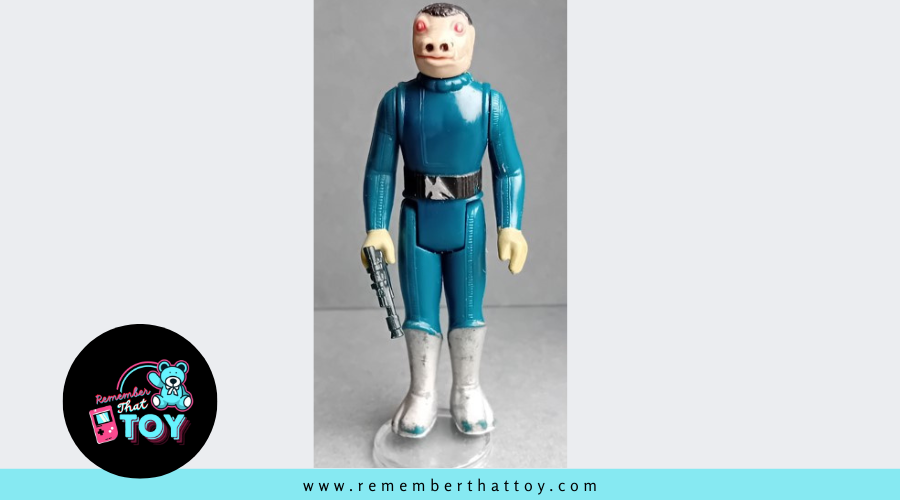
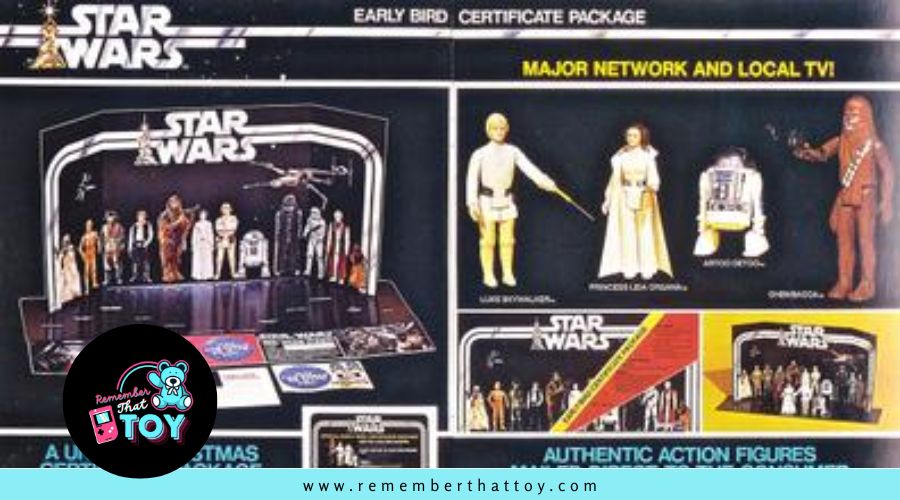
The 1970s marked a significant shift in how toys were perceived, driven by technological advancements and cultural influences. Electronic toys began to emerge, enchanting kids and setting the stage for a new age of play. Action figures gained immense popularity, particularly with the launch of Star Wars action figures in 1977, which became iconic and defined a generation of play.
The introduction of limited editions and unique variants made these action figures highly sought after by collectors, further cementing their status in toy history. You'd find these action figures everywhere, becoming a staple in many children's collections. Meanwhile, advances in materials made toys safer and more durable, allowing for indoor play without worry.
Iconic Toys of the Decade
Toys from the 1970s not only shaped playtime but also left a lasting legacy that still echoes today. The decade brought forth a range of toys that became unforgettable favorites, each influencing how kids played and interacted. Here are some of the most iconic toys that defined your childhood:
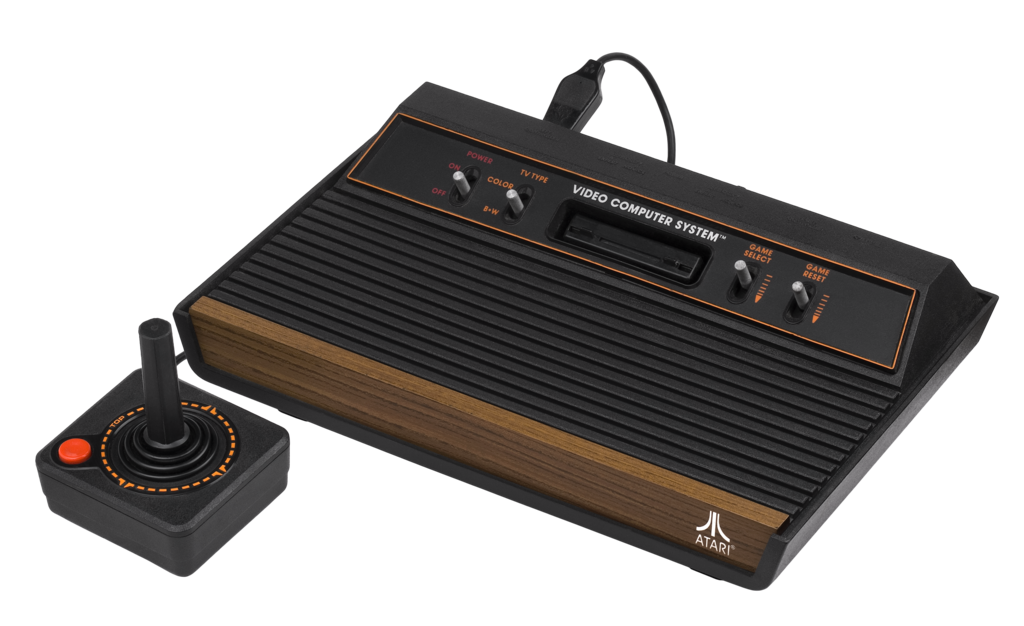
- Atari 2600 Home Gaming Console – Launched for $199, it transformed gaming with classics like Combat, making video gaming a household staple. It was one of the first consoles to use cartridges, allowing players to switch games without needing separate machines.
- Star Wars Action Figures – When Star Wars was released in 1977, it became a cultural phenomenon, and Kenner’s line of action figures capitalized on its massive success. These figures were among the first to represent characters from a blockbuster film, and their detailed design made them instantly recognizable.
- Nerf Ball – Gaining immense popularity in the 70s, this soft foam ball allowed for safe indoor play, ensuring kids could have fun without the risk of injury.
- Stretch Armstrong – Debuted in 1976, this unique toy captivated you with its ability to stretch nearly five feet, becoming a beloved staple of the decade. Made from latex rubber filled with gel, Stretch Armstrong was unlike any other toy of its time.
- The Rubik’s Cube – Invented by Ernő Rubik in 1974, this three-dimensional puzzle challenged players to align all the colors on each side of the cube. By the end of the decade, it had become a global craze.
- Weebles – Introduced by Hasbro in 1971, were simple egg-shaped toys that always found their way back upright, thanks to their weighted bases. The phrase “Weebles wobble, but they don’t fall down” became part of pop culture, and the toy is still fondly remembered for its simplicity and durability.
- Hungry Hungry Hippos – This fast-paced game featured colorful hippos that gobbled up marbles, providing frantic fun for kids. Unlike traditional board games, Hungry Hungry Hippos required speed and dexterity.
- Lite-Brite – It allowed kids to create glowing designs by inserting colorful translucent pegs into a backlit grid. The bright, glowing designs captivated children and provided a sense of accomplishment.
- Evel Knievel Stunt Cycle – This toy, based on the famous daredevil Evel Knievel, allowed kids to launch a motorcycle across ramps, mimicking his thrilling stunts. The toy could perform wheelies, jumps, and flips, just like the real Evel Knievel.
- Spirograph – A drawing toy consisting of plastic gears and wheels, that allowed children to create intricate geometric designs with ease. Combining art and mathematics, Spirograph made geometry fun and accessible.
These toys not only offered entertainment but also fostered creativity and social interaction, making them some of your favorite toys from the 1970s. Similarly, the Transformers franchise, which started in the 1980s, became a cultural phenomenon with its innovative design and storytelling.
Safety and Design Innovations
Throughout the 1970s, safety and design advancements transformed playtime, ensuring kids could enjoy their favorite activities without unnecessary risks. Toy companies focused on creating products that were not only fun but also safe for children. Here are some notable examples:

- NERF Balls: These soft foam toys prioritized safety, allowing active play without the fear of injury.
- Big Wheels: With a low center of gravity and sturdy construction, these tricycles offered a safer alternative to traditional bicycles.
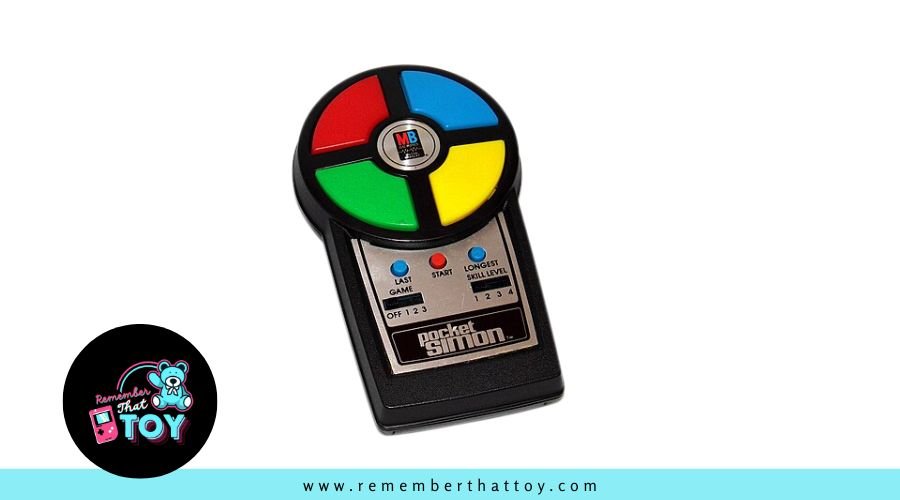
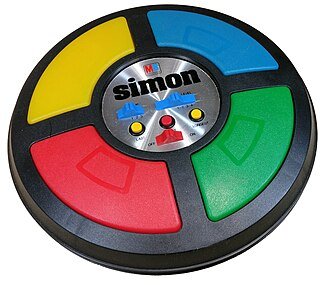
- Simon: The electronic game featured user-friendly designs tailored for younger audiences, promoting safe interaction through simple gameplay mechanics.
- Shrinky Dinks: These creative crafting kits let kids express themselves without sharp edges or dangerous components, ensuring a safe crafting experience.
NERF Balls became a staple of American toy culture, fostering family bonding through shared experiences and enabling injury-free fun. Additionally, ATARI's design advancements focused on durability, creating gaming consoles that could withstand spills and damage from small objects.
Wrapping Up
The toys of the 1970s were not only fun but also groundbreaking, introducing new materials, concepts, and forms of play that continue to influence the industry today. Whether it was the tactile appeal of Stretch Armstrong, the interactivity of the Atari 2600, or the creativity sparked by LEGO sets, these toys captured the imagination of children everywhere.