The Most Iconic Toys of the 1960S

The 1960s marked a transformative period in toy advancements, where creativity and technology combined to reshape how children played. You'd notice a significant shift in toy manufacturing as companies adopted groundbreaking materials like plastics, allowing for more colorful and durable designs.
Suddenly, you had a wider variety of toys to choose from, each more enchanting than the last. One of the decade's standout introductions was G.I. Joe in 1964, which altered the toy industry by creating poseable action figures. This not only appealed to boys but also carved out an entirely new market segment focused on adventure and imagination.
The rise of mass production techniques allowed companies to lower costs, making it easier for families to find a broader range of toys to choose from. These breakthroughs set the stage for a new age in children's play, blending excitement with safety and accessibility. G.I. Joe became a cultural icon, representing American values across media and influencing generations of play.
Iconic Dolls of the Decade
As toy innovations flourished in the 1960s, dolls emerged as some of the most iconic and influential figures in children's play. These toys not only entertained but also reflected societal changes and evolving aspirations. You probably remember the excitement of unboxing a new doll, each one offering a unique experience.
- Chatty Cathy, with her pull-string voice, could say 11 different phrases, bringing stories to life.
- Barbie, the fashionista, encouraged imaginative play and showcased a wide array of accessories, challenging traditional gender roles.
- Suzy Homemaker encouraged creative domestic play with miniature appliances like ovens, vacuums, and dishwashers. This toy allowed kids to mimic real-life home activities in a fun, scaled-down way.
- Collectible dolls began to rise in popularity, reflecting a desire for personal expression.
- Barbie's cultural icon status transcends her role as a toy, representing female empowerment and adaptability to contemporary discussions about identity and inclusivity.
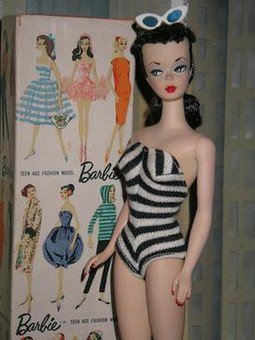
These dolls became symbols of modern childhood, encouraging children to investigate diverse roles and scenarios. They weren't just plastic figures; they were vehicles for creativity and self-discovery. Each iconic doll of the 1960s turned playtime into a reflection of the changing world, making them unforgettable toys that shaped generations.
Classic Games and Toys
In the lively landscape of the 1960s, classic games and toys captured children's imaginations and brought families together. This was truly a golden age for toys, with innovations that sparked creativity and fun.
Released in 1960 by the Ohio Art Company, the Etch A Sketch became an instant hit. This simple yet ingenious drawing toy allowed kids to create art by turning two knobs to control a stylus inside the screen.
Kenner's Star Wars toy sales in the late 1970s set a precedent for this kind of media-driven toy marketing, showing how powerful the synergy between television and toys could be. These strategic moves not only enhanced sales but also intertwined the worlds of entertainment and play, forever changing how toys were marketed and perceived.
Popular Action Figures
The launch of G.I. Joe in 1964 marked a crucial moment in toy history. As the initial action figure aimed specifically at boys, G.I. Joe represented numerous military branches and featured a poseable design that allowed for more dynamic play. Each character stood approximately 12 inches tall and was marketed with the tagline "The Real American Hero," appealing to the adventurous spirit of young boys.

The success of G.I. Joe ignited a trend that led to other action figures, like the Six Million Dollar Man in 1975, which drew inspiration from earlier figures. This trend paved the way for iconic lines such as Star Wars action figures, which debuted in 1977 and became a cultural phenomenon, further solidifying the action figure market.
Similarly, the Rise of TMNT Action Figures in the late 1980s expanded the collectible market with a diverse range of characters and playsets, capturing the imagination of a new generation. So, if you grew up in the '60s, chances are G.I. Joe and his fellow action figures played a significant role in shaping your childhood adventures.
Creative and Educational Toys
During the 1960s, creative and educational toys emerged as essential tools for nurturing children's imaginations and skills. These toys weren't just about fun; they encouraged creativity, problem-solving, and even basic cooking.
Some standout toys from this time included:
- Play-Doh: Originally a cleaning product, it transformed into a modeling clay phenomenon, raking in $3 million by 1958. General Mills acquired Play-Doh in 1965, which led to its global expansion and further cemented its status as a household staple. This versatile material let kids mold their imaginations into colorful creations.
- Easy Bake Oven: Launched in 1963, this toy made baking accessible, selling over 16 million units and inspiring countless mini-chefs. It offered kids a safe and rewarding way to mimic adult cooking activities.
- Lite Brite: Introduced in 1967, it let kids create colorful, light-up artwork, blending creativity with play.
- Spirograph: This toy combined art and math, enabling children to craft intricate geometric designs.
- Rock ‘Em Sock ‘Em Robots: This two-player mechanical boxing game, introduced by Marx Toys in 1964, became a household favorite. Players controlled their robots to knock off the opponent’s head in a simulated boxing match. The toy’s sturdy construction allowed for repeated play without breaking.
Space-Age Toys
The Space Race inspired countless toys, encouraging children to dream about the stars.
Major Matt Mason
Mattel’s astronaut action figure, Major Matt Mason, debuted in 1966 and reflected America’s fascination with space exploration.
- Accessories: The figure came with a variety of space-themed vehicles and equipment.
- Realism: His adventures mirrored NASA’s missions, inspiring kids to imagine themselves as astronauts.
Toy Rockets and Space Stations
From small plastic rockets to elaborate playsets, space-themed toys captured the excitement of the 1960s.
Board Games and Family Entertainment
The 1960s also saw the rise of memorable board games that brought families together.
Twister

Introduced in 1966, Twister became a cultural phenomenon thanks to its combination of physical activity and fun.
- Interactive Play: Players contorted themselves to match colored dots, leading to hilarious moments.
- Social Appeal: Twister was a hit at parties and gatherings, transcending age groups.
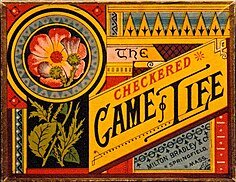
The Game of Life
The Game of Life was updated and reintroduced in the 1960s, becoming one of the decade’s most beloved board games. It allowed players to simulate life choices, from careers to retirement, in a fun and engaging way.
Conclusion
The 1960s was a transformative decade for toys, introducing products that captured the spirit of the times and set new standards for play. From the artistic possibilities of the Etch A Sketch to the adventurous world of G.I. Joe, these toys not only entertained children but also reflected a changing world.