The Most Iconic Toys of the 1950S
Dnh52, Wham-O Logo, CC BY-SA 4.0
The 1950s were a golden age for toys, marked by post-war prosperity, technological innovation, and a booming baby population. As families moved into suburban neighborhoods and embraced leisure time, toys became more central to childhood than ever before. Manufacturers responded by introducing creative, colorful, and interactive toys that defined a generation. Many of these iconic items have remained household names, continuing to bring joy to children decades later.
Iconic Toys and Their Origins
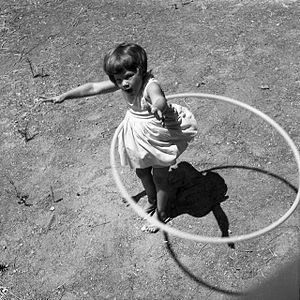
Often celebrated for their groundbreaking designs and cultural impact, iconic toys from the 1950s have fascinating origins that reflect the time's creativity. Take the Hula Hoop, for instance. Launched by Wham-O in 1958, it became a cultural sensation and fitness trend inspired by Australian bamboo hoops used by children.
There comes Mr. Potato Head. Invented in 1949, it was initially marketed as a cereal box promotion. This cutting-edge toy was the earliest to be advertised on television, sparking a revolution in imaginative play. You could mix and match facial features, creating endless characters, and it quickly became a staple in American households.
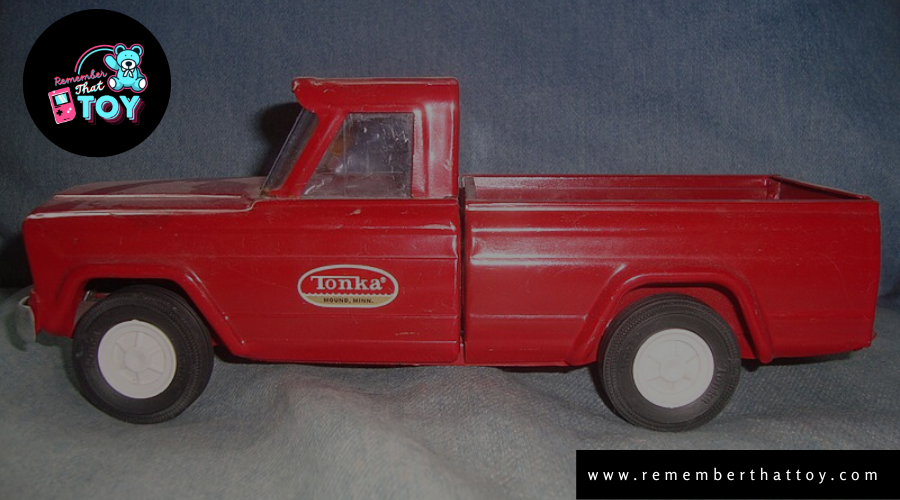
Other toys flourished during this time, too. Play-Doh, initially a wallpaper cleaner, transformed into a beloved modeling compound in 1956, while the Tonka Truck, originating from a garden tool company, captivated children with its durability.
Another toy was Silly Putty. Bouncy, stretchy, and just plain fun, Silly Putty was the toy that could do it all. You could roll it into a ball, stretch it into wild shapes, or even use it to copy comic strips. It was the ultimate fidget toy before anyone knew what a fidget toy was.
Introduced in 1945, the Slinky became a symbol of childhood play, captivating generations with its mesmerizing motion and simplicity.
Inspired by another TV Western hero, Hopalong Cassidy toys brought the cowboy life home. Kids loved dressing up in his signature outfits, complete with hats and cap guns, while acting out their favorite episodes from the show.
Popular Dolls and Action Figures
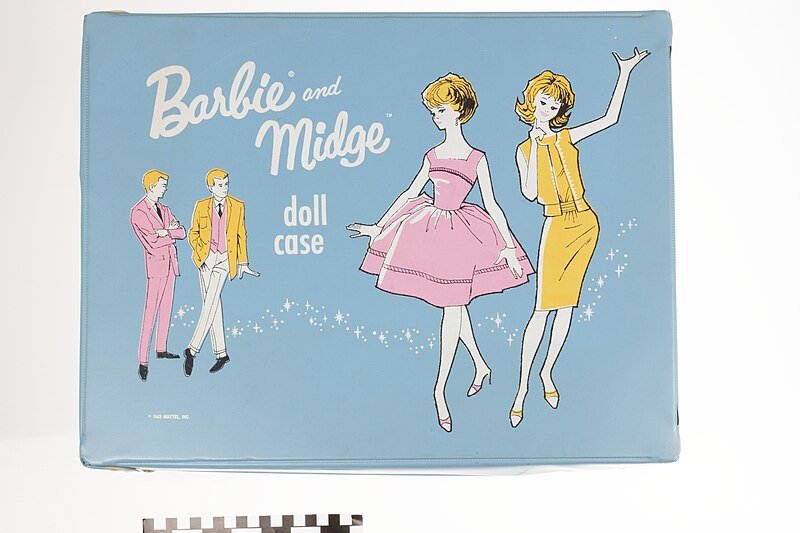
One of the most popular toys to surface during this time was Barbie, debuting in March 1959. Within her initial year, she sold over 300,000 dolls, quickly becoming a cultural icon linked to the Mickey Mouse Club.
The introduction of Ken in 1960 expanded the narrative possibilities, offering children new adventures for Barbie. By 1963, Midge and Skipper joined the Barbie universe. Midge was designed to counteract concerns about Barbie's sex symbol image, while Skipper catered to a younger audience, diversifying the line of classic toys.
The introduction of Scooter in 1965, Skipper's friend, further promoted imaginative play, allowing kids to create even broader stories and scenarios. These dolls not only entertained but also mirrored the evolving roles and aspirations of women in society. Barbie's transformation in 2016 with diverse body types and skin tones marked a significant shift towards inclusivity and representation.
Classic Games and Activities
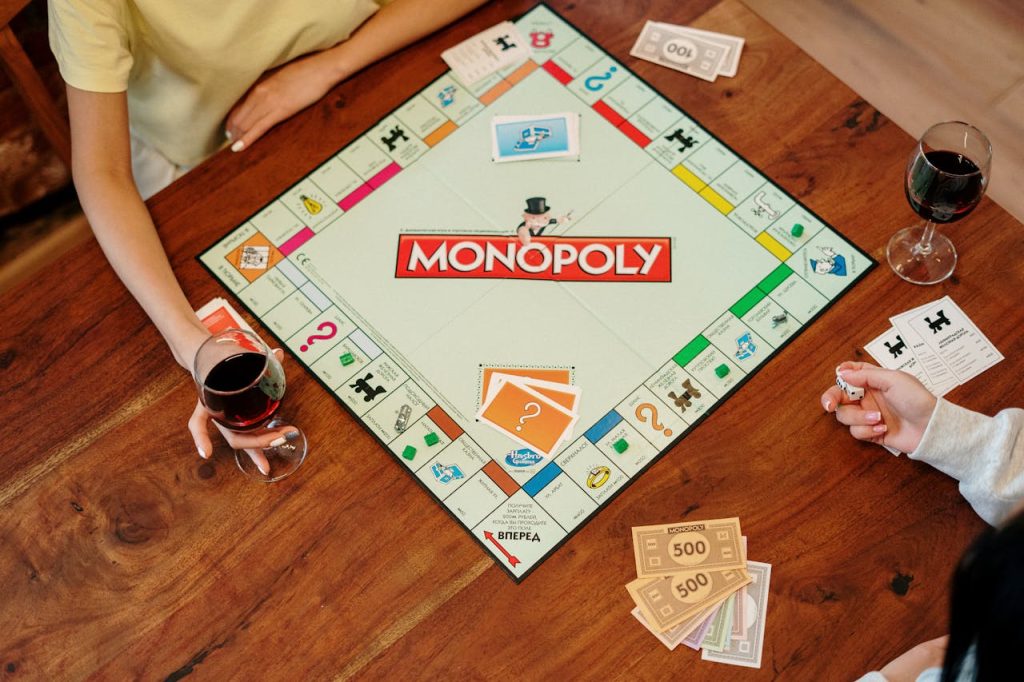
Classic games and activities shaped childhood experiences in the 1950s, offering endless hours of fun and engagement. You probably remember gathering around the table with family and friends, diving into exciting board games that encouraged laughter and strategic thinking. Games like Monopoly and Scrabble became household staples, fostering connections and friendly competition among players.
Card games also held a prominent place in your childhood memories. Regardless of whether it was a simple game of Go Fish or a more complex round of Poker, these games brought families together, allowing you to bond over shared laughs and friendly rivalries. You could spend hours playing, creating lasting memories with those you loved.
The success of Disney’s Davy Crockett series led to a surge in related toys, including coonskin caps, rifles, and action figures.
The Lone Ranger’s adventures inspired children to reenact their favorite scenes with toy pistols, holsters, and cowboy hats.
In addition to these, timeless toys like Slinkys and spinning tops kept you entertained during downtime. They were easy to pick up and put down, making them perfect for solo play or group fun. The 1950s truly celebrated creativity and imagination with games and activities that sparked joy and nurtured relationships.
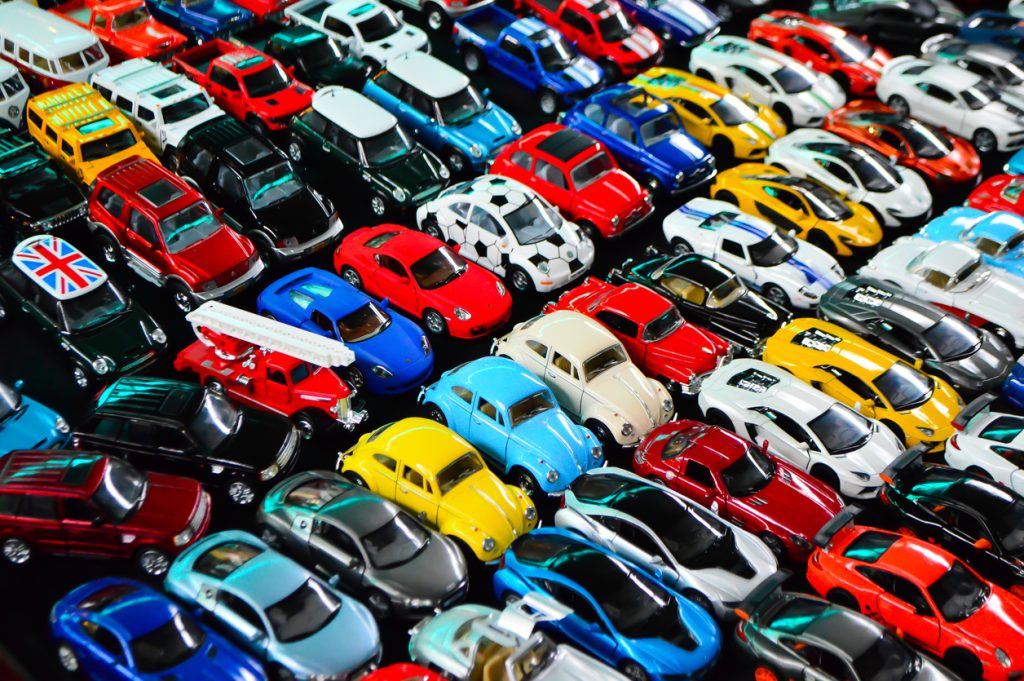
Matchbox Cars took the world of toy vehicles to a whole new level with their miniature, detailed designs. Kids raced them, collected them, and even carried them around in their pockets, creating mini car adventures wherever they went.
These classic pastimes continue to resonate, reminding you of the power of play in shaping cherished childhood experiences. The cultural impact and nostalgia of toys like Rock'em Sock'em Robots further exemplify the enduring legacy of these classic games and their significance in toy history.
Innovations in Toy Materials
The 1950s marked a turning point in toy manufacturing, thanks to advances in materials and technology.
- Plastics: The increased availability of plastic allowed for cheaper, more durable toys that could be produced in bright colors and creative shapes.
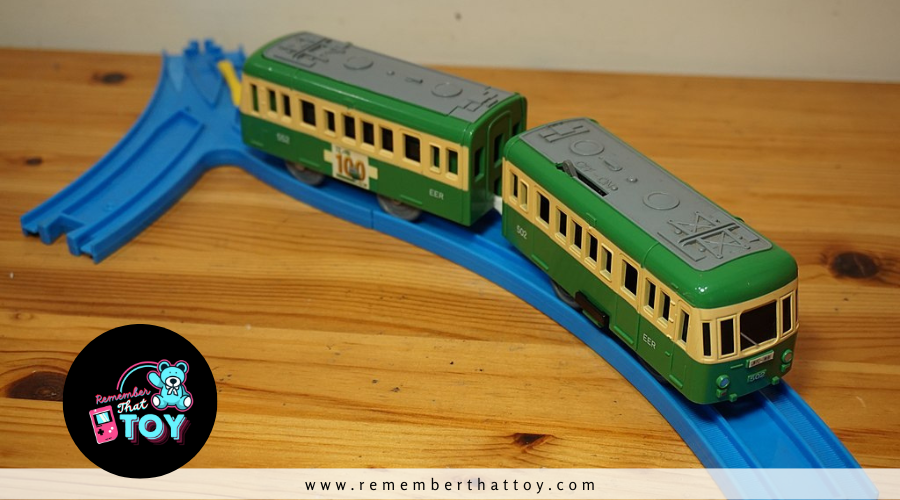
- Electric Toys: The rise of battery-operated toys introduced a new level of interactivity, such as moving trains and light-up gadgets.
Market Trends and Sales Impact
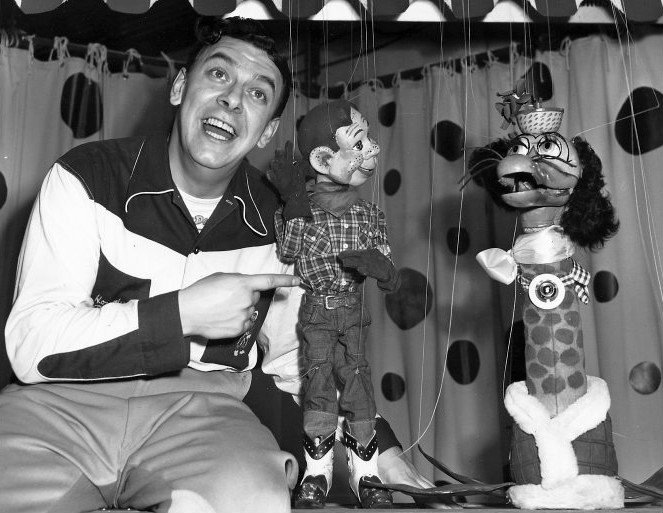
As the 1950s progressed, the landscape of childhood play began to shift with significant market trends and sales impact. The introduction of television advertising transformed how toys were marketed, making them more accessible and desirable. Shows like ”Howdy Doody” played an essential role in elevating toy sales as they captured the imagination of children and parents alike.
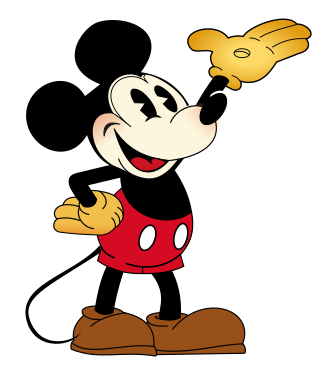
Mickey Mouse, Donald Duck, and other beloved Disney characters were brought to life in toys fueled by Disney's booming popularity. These toys combined the magic of movies with hands-on fun, making them irresistible to kids.
These trends not only shaped the toy landscape of the 1950s but also set the stage for a booming industry projected to generate over $120 billion by 2024, proving the enduring appeal of these iconic toys.
Conclusion
The 1950s were a defining decade for toys, filled with creativity, innovation, and timeless designs. From the enduring appeal of Mr. Potato Head and Barbie to the physical fun of the Hula Hoop, these toys brought joy to millions of children and laid the foundation for modern playtime.
Even today, the toys of the 1950s continue to inspire nostalgia and remind us of the ingenuity that can transform everyday materials into magical experiences. They remain a testament to the power of imagination and the universal language of play.