The Most Iconic Toys of the 1940S
The 1940s was a decade defined by World War II and its aftermath, and these circumstances greatly influenced the toys of the era. During the war, materials like metal and rubber were rationed, so manufacturers turned to creative solutions, such as wood and paper-based toys. After the war, a sense of optimism and innovation brought about a wave of new toys that have since become classics.
Overview of 1940s Toys
In the 1940s, toys underwent a notable transformation shaped by the realities of World War II. The conflict influenced the types of toys available, leading to a rise in military-themed items like toy guns and soldiers. These toys reflected the times, allowing kids to engage in imaginative play that mirrored real-world scenarios. As the decade progressed, the emphasis on creativity for girls grew, with dolls and household items becoming popular for encouraging role-playing.
Board games also experienced significant evolution during this period. Classics like Monopoly captured family attention, becoming a staple for game nights and fostering connection amidst the chaos of war. The simplicity of these games provided a welcome escape, allowing families to come together and enjoy light-hearted competition.
While technically not a toy, Little Golden Books played a significant role in 1940s childhood entertainment. Introduced in 1942, these affordable, colorful books quickly became staples in homes and schools.
Iconic Toys and Their Impact
Numerous iconic toys from the 1940s have left a lasting impact on playtime and childhood development. The Slinky, for example, would love to encourage imaginative play, promoting movement as it gracefully travels down stairs. By the late 1940s, over 300 million had been sold, making it a household favorite. The Slinky was inducted into the National Toy Hall of Fame in 2000, highlighting its enduring influence on the toy industry.
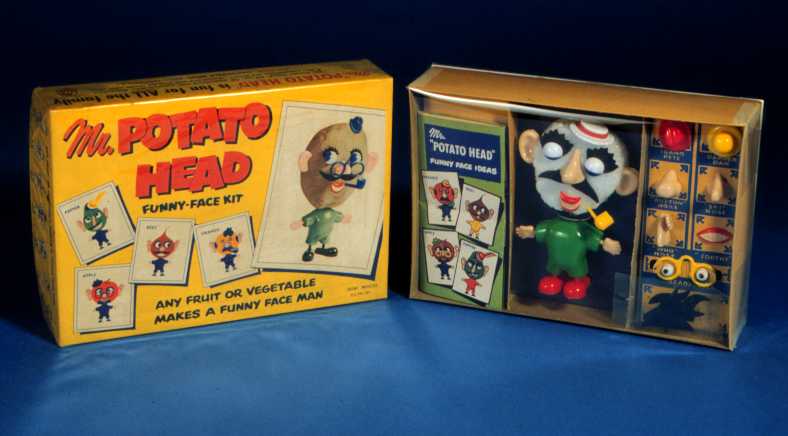
LEGO transformed the way kids think about construction. Shifting from wooden toys to plastic interlocking bricks in 1949, it ignited creativity and problem-solving skills, allowing children to build anything they could dream up. Mr. Potato Head, though launched in 1952, was conceptualized in the 1940s and became the initial toy advertised on television. Kids would love its interchangeable parts, fostering creativity in a fun and engaging way.
Introduced in 1949, Candy Land became an instant classic. Its bright colors, simple rules, and whimsical themes made it accessible to even the youngest players.
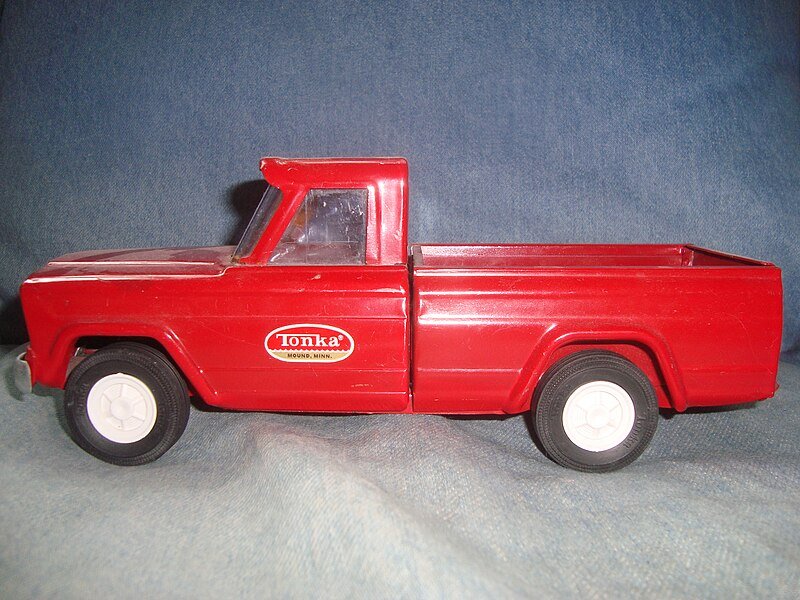
Toys like paper dolls and Tonka Trucks allowed children to create their own stories, fostering a sense of creativity and independence.
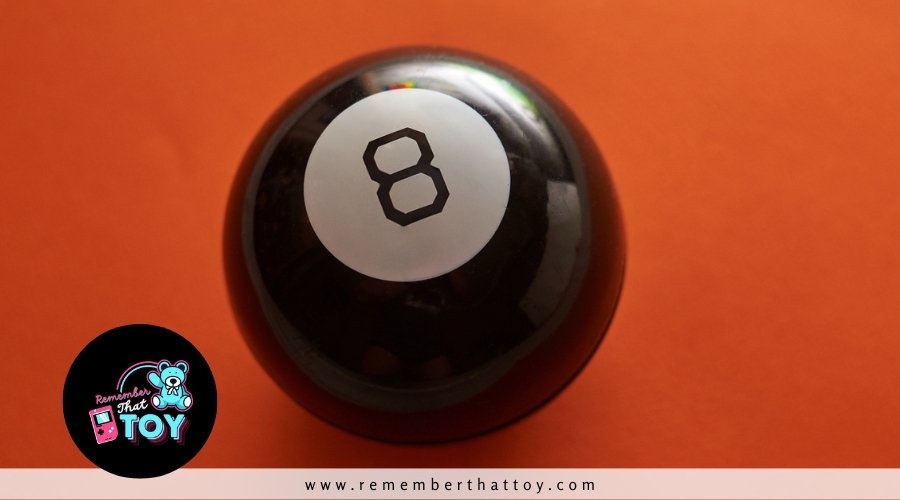
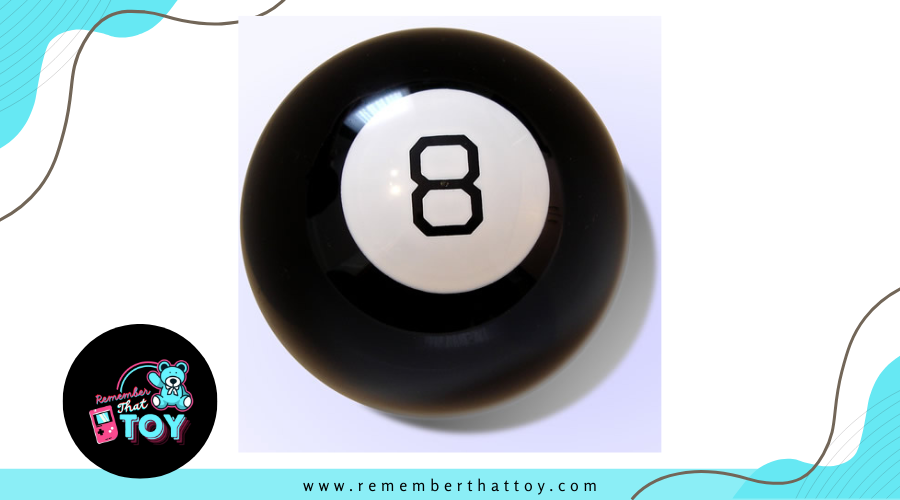
Though it gained broader popularity later, the Magic 8 Ball first appeared in 1946. With its ability to "predict" answers to yes-or-no questions, this novelty toy added a sense of mystery and fun to playtime.
The Red Ryder BB Gun, inspired by the cowboy comic strip character, became a must-have toy in the late 1940s. It represented the adventurous spirit of the Wild West and was a favorite for outdoor play.
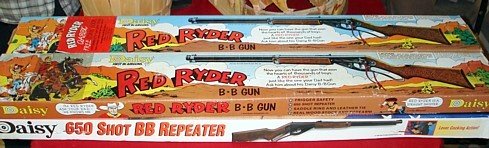
User:Mavarin, RedRBB90s, CC BY-SA 3.0
Launched in the late 1940s, Colorforms offered reusable vinyl stickers that kids could place on backgrounds to create stories or scenes. This creative and interactive toy was a precursor to many art-based toys to come.
Introduced in 1939 but gaining massive popularity in the 1940s, the View-Master brought 3D images to life. With reels featuring everything from landscapes to Disney characters, it was both entertaining and educational.
Crafting and DIY Trends
The 1940s saw a rise in crafting and DIY trends that allowed children to engage with their creativity in hands-on ways. Boys often constructed radios from scratch, developing fundamental skills and gaining a deeper understanding of electronics. Meanwhile, girls adopted home sewing, with around 40% of clothing made at home.
Children also investigated nature exploration, collecting leaves and other natural items, which reflected a growing interest in the outdoors. This DIY approach to learning encouraged them to appreciate the environment while expressing their artistic sides. Educational gifts like microscopes and telescopes became popular, allowing kids to study and experiment with the natural world in a fun, engaging way.
Crafting with tools taught valuable skills, making DIY projects a fantastic means for children to express their creativity while developing practical abilities. Whether it was sewing, building, or investigating, these activities laid the groundwork for skills that woufld benefit them throughout their lives.
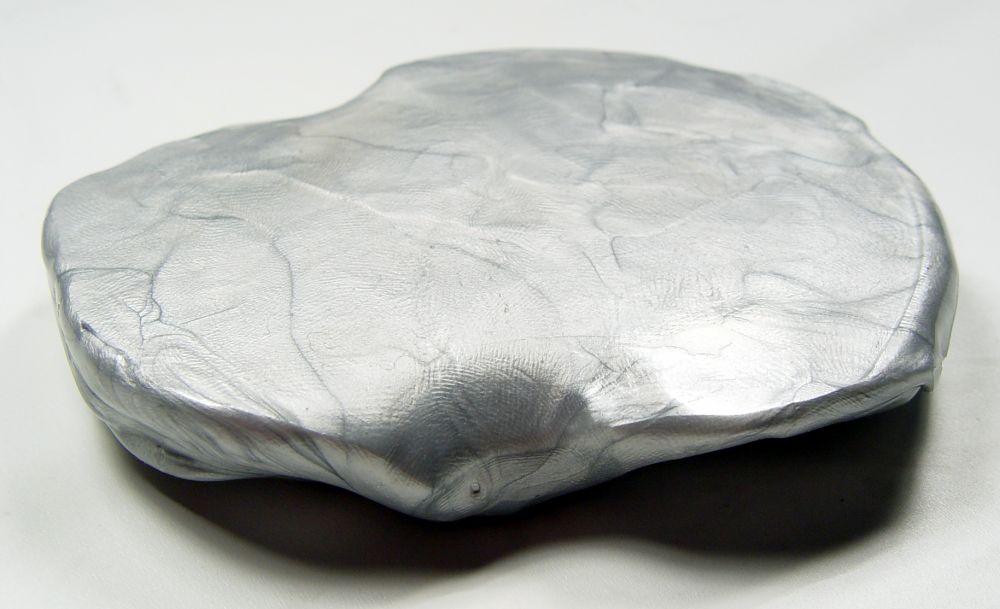
A significant addition to the toy scene in the 1940s was the invention of Silly Putty, which later became a cultural icon in the 1950s. As a fun enhancement to playtime, Silly Putty emerged, enchanting children with its unique properties.
Classic Playthings
The classics never went out of style, and toys like marbles, jacks, spinning tops, and wooden blocks remained staples of 1940s childhoods. Marbles, with their colorful designs, were used in countless games, while jacks required quick reflexes and coordination.
Spinning tops, often hand-carved or painted, offered simple yet mesmerizing entertainment. Wooden blocks, a universal favorite, helped children build towers and unleash their architectural creativity.
Yo-yos were an inexpensive and portable toy, and mastering tricks became a badge of honor among kids. Jump ropes provided fun and exercise, often with rhyming games to keep the rhythm. Roller skates, with their clunky metal wheels, were a favorite despite being a bit noisy and challenging on uneven surfaces. Balsa wood gliders were easy to assemble and a thrill to fly, with kids competing to see whose plane could stay airborne the longest.
Collecting 1940s Toys Today
For collectors, toys from the 1940s hold a special allure, thanks to their historical significance and nostalgic appeal.
Tips for Collectors
- Condition Matters: Toys in good condition, with original packaging, are more valuable.
- Look for Marks: Many toys from this era include manufacturer markings that can help authenticate them.
- Focus on Classics: Items like Slinkys, Tonka Trucks, and Little Golden Books are perennial favorites among collectors.
Wrapping Up
The toys of the 1940s offer a window into a unique era of history shaped by wartime constraints and post-war creativity. From the ingenious simplicity of the Slinky to the enduring charm of Little Golden Books, these toys provided joy and comfort to children during a challenging time