The Impact of Early Talking Robots on Kids’ Imagination
Talking robots play a significant role in improving children's imaginative play. These interactive companions inspire creativity and storytelling, allowing kids to develop unique robot personalities and narratives. When you introduce talking robots into your child's playtime, you'll notice their positive emotional responses and increased engagement.
As children interact with talking robots, they investigate language skills through verbal prompts and responses. This dynamic interaction encourages them to communicate effectively and express their ideas. Research shows that kids learning with talking robots often report higher motivation and enjoyment, which sparks their willingness to experiment with new concepts and stories.
Early educational tools like Speak & Spell introduced interactive learning methods that paved the way for such innovative play.
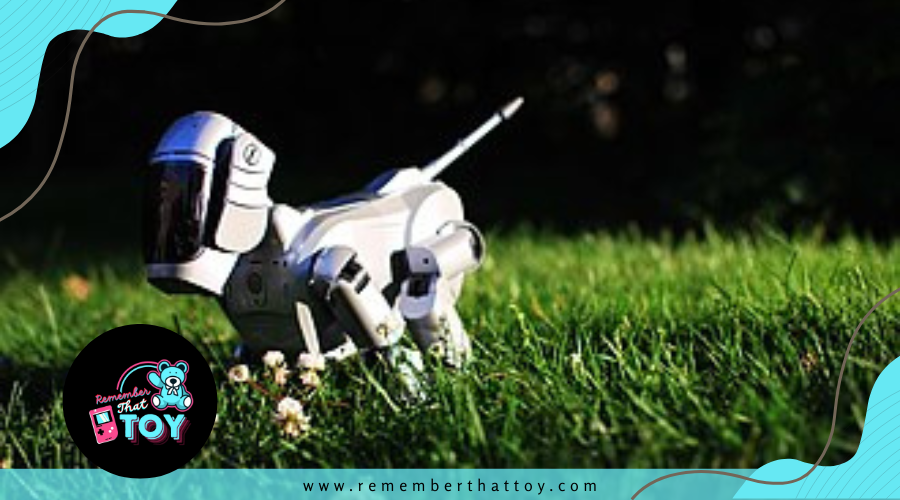
Image: Morgan from Montreal, Quebec, Canada, AIBO ERS-111 - July 2010, CC BY 2.0

Enhancing Creative Thinking
Introducing early talking robots not only improves imaginative play but also greatly raises creative thinking in children. When you engage your kids with these interactive companions, they're not just playing; they're setting out on storytelling adventures that spark their creativity.
As your children play, they'll find themselves articulating complex scenarios and characters, which enhances their verbal expression. This allows them to navigate challenges and devise creative solutions, further enriching their problem-solving abilities. The robots act as both prompts and collaborators, driving your kids to investigate new concepts and scenarios they might not think of alone.
Moreover, engaging with these robots cultivates a greater propensity for imaginative play. The dynamic interactions stimulate their minds and encourage a deeper plunge into creativity. Introducing children to micro robotics at an early age can also spark curiosity and learning, further enhancing their educational growth.
Imaginative Play Scenarios
Through imaginative play scenarios, early talking robots become catalysts for creativity, allowing children to craft unique personalities and rich storylines. When you engage with these robots, your imaginative play deepens, and you can create complex narratives that reflect your interests. Here are some ways robots improve your creative expression:
- Character Creation: You can design robots with distinct traits, quirks, and backgrounds.
- Collaborative Play: Robots encourage teamwork, as you and your friends can solve problems together in your stories.
- Interactive Responses: The robots' reactions spark new ideas, making your play more dynamic and engaging.
- Role-Playing: You can assume different roles, regardless of being a hero, villain, or even the robot itself.
- Emotional Engagement: The presence of robots makes your imaginative play more enjoyable, fostering a deeper connection to your narratives.
These imaginative play scenarios not only stimulate your creativity but also motivate you to participate in learning activities. By incorporating robots into your play, you open up a world of endless possibilities for storytelling and character development.
Balancing Technology and Imaginative Play
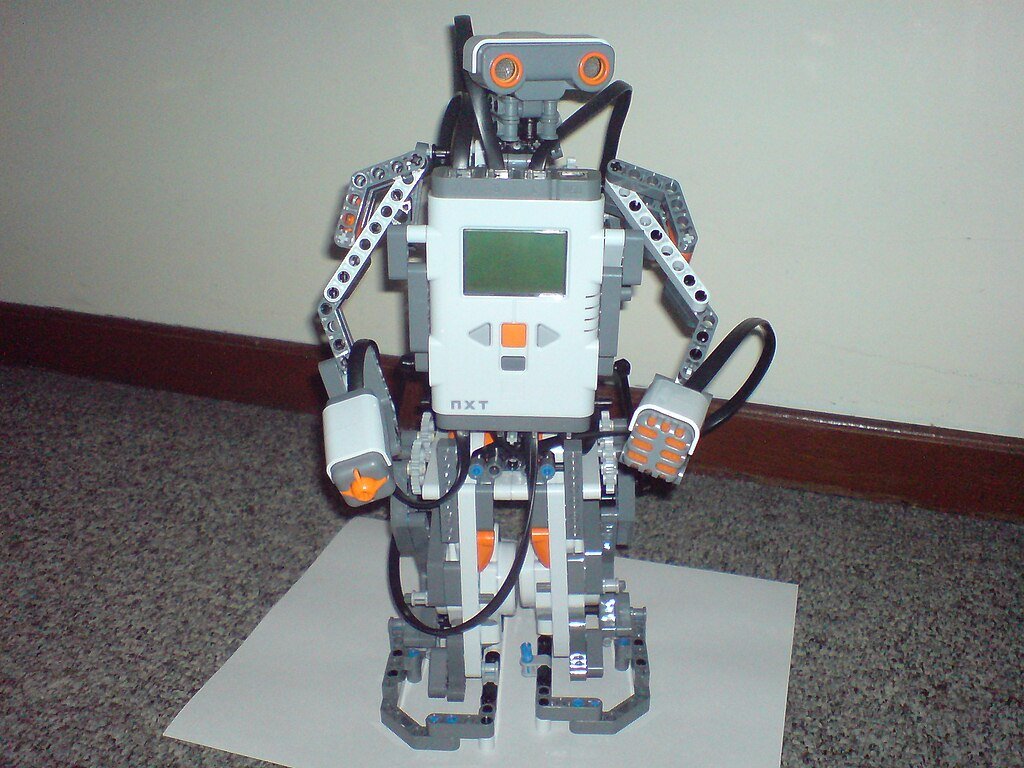
Image: Marlon J. Manrique, Lego MindStorms NXT - Alpha Rex, CC BY 2.0

To ensure that talking robots positively contribute to children’s imagination, it is crucial to strike a balance between technology use and traditional play. Here are some practical strategies for parents and educators:
- Combine Robots with Open-Ended Toys: Encourage children to use talking robots alongside toys like building blocks, art supplies, or stuffed animals. For example, a child could use a robot to narrate a story while building scenes with LEGO bricks.
- Set Limits on Screen-Free Tech Time: While talking robots are screen-free, it is still essential to limit the amount of time children spend interacting with them. Designating specific times for robot play can ensure children engage in other imaginative activities throughout the day.
- Encourage Story Creation: Use the robot’s storytelling features as a prompt for kids to create their own stories. After listening to a story, ask children to rewrite the ending, add new characters, or tell the story in their own words.
- Promote Critical Thinking: When children ask robots questions, follow up by asking, “What do you think?” or “Can you imagine something different?” This practice ensures that children engage their imagination rather than passively accepting answers.
- Focus on Co-Play: Encourage shared play experiences where children, parents, and robots interact together. For example, a family could create a play about pirates, with the robot contributing as a narrator or secondary character.

Image: Dschen Reinecke, Sony Qrio Robot, CC BY-SA 3.0
Impact on Storytelling Skills
As you play, you practice constructing dialogue and developing characters, which helps you create complex storylines that captivate your audience. The feedback from these robots allows you to refine your ideas, improving your ability to communicate effectively. Moreover, storytelling with talking robots is often more enjoyable, leading to increased motivation and participation. You're likely to find yourself more involved, keen to share your tales.
Talking robots also facilitate collaborative storytelling with peers, increasing social interaction and communication skills as you work together to create shared narratives. The See 'n Say was an early example of a toy that promoted interactive learning and auditory recognition, much like talking robots today.
Interactivity and Engagement
How do early talking robots transform playtime into an engaging learning experience? These groundbreaking tools elevate interactivity and keep kids captivated while they learn. Here are some ways they improve their playtime:
- Conversational play: Kids engage in responsive dialogues, enhancing language skills.
- Increased motivation: Research shows children enjoy playtime more with interactive robots than with traditional tools.
- Creativity investigation: Voice recognition encourages imaginative storytelling, letting kids express their thoughts.
- Teamwork and communication: Collaborative play with robots fosters teamwork as children navigate shared tasks.
- Sustained interest: The novelty of talking robots captures attention, promoting experimentation in diverse learning environments.
Wrapping Up
While they bring opportunities to reinforce storytelling, encourage curiosity, and build confidence, they also pose challenges in preserving unstructured, imaginative play. By thoughtfully integrating robots into children’s lives alongside traditional activities, parents and educators can ensure that these tools enhance rather than hinder creativity.
Related posts