The Evolution of the 1930s Chemistry Set
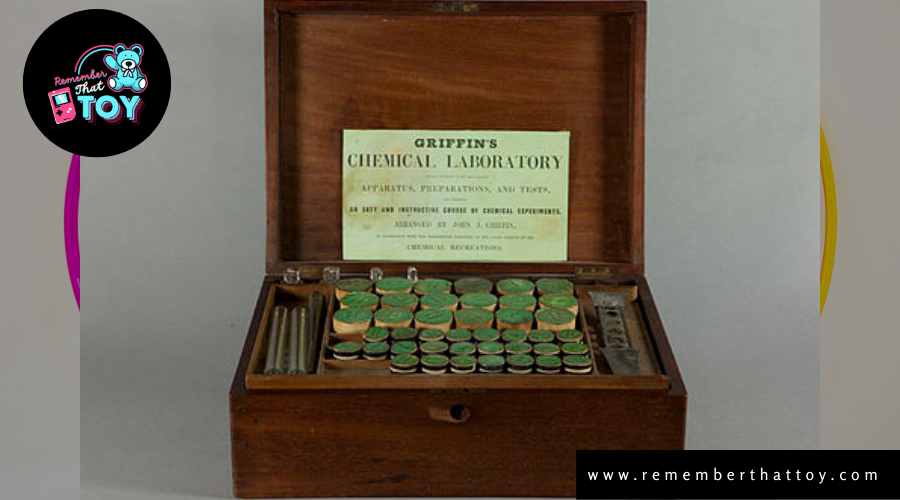
Throughout history, educational toys like chemistry sets have inspired curiosity and fostered learning, playing a fundamental role in shaping children’s understanding of science. The 1920s marked a pivotal moment when companies like A.C. Gilbert introduced chemistry sets that ignited scientific interest among children. By the 1950s, these sets had become synonymous with educational value, encouraging children, particularly boys, to explore science and engineering as potential career paths.
The popularity of chemistry sets was closely tied to societal aspirations for stable careers, especially following the Great Depression and World War II. This emphasis on educational toys continued into the 1960s when the environmental movement led to significant changes in design. Manufacturers began prioritizing safety by using less hazardous materials to comply with new regulations.
Gender Roles in Marketing
Shifting societal perspectives have led to a rethinking of how chemistry sets are marketed, paving the way for a more inclusive approach to educational toys. Historically, marketing strategies were heavily influenced by gender roles, often portraying science as a boy’s domain. However, this has drastically changed.
Today, brands emphasize inclusivity and representation, recognizing the importance of engaging all children in STEM education. This shift is evident in three key ways:
- Diverse Marketing Campaigns: Brands now equally showcase boys and girls engaged in scientific activities, breaking away from outdated stereotypes.
- Inclusive Product Design: Chemistry sets are available in a variety of colors and themes, appealing to a broader audience and encouraging exploration regardless of gender.
- Role Model Representation: Many educational toys feature diverse characters and scientists, inspiring children from all backgrounds to envision themselves as future innovators.
These evolved marketing strategies not only enhance the appeal of chemistry sets but also foster a new generation of curious minds, making everyone feel welcome in the world of science.
Impact on Learning Outcomes
The rise of educational toys like chemistry sets has significantly enhanced learning outcomes by sparking curiosity and promoting hands-on experimentation among children. Since their introduction, these sets have evolved, particularly in response to safety regulations established in the 1960s. While earlier versions offered complex experiments, modern chemistry sets prioritize safety and educational value, making them more accessible and engaging for young learners.
Current chemistry sets often feature progressive difficulty levels and detailed manuals, enriching hands-on learning experiences. This structured approach not only promotes scientific inquiry but also aligns with the goals of STEM education. By allowing children to conduct experiments safely, these toys cultivate critical thinking and problem-solving skills essential in today’s world.
Societal Influences on Chemistry Sets
Societal trends and events have significantly shaped the evolution and popularity of chemistry sets through the decades, from their rise in the 1930s to their decline in more recent years. Several key influences have been pivotal.
- World Events: The emphasis on science during and after World War II fueled interest in chemistry careers, making chemistry sets highly popular, particularly among young boys.
- Environmental Awareness: The publication of Rachel Carson’s ‘Silent Spring’ in 1962 shifted public perception, leading to skepticism about chemicals and a decline in the appeal of chemistry sets during the 1970s and 1980s.
- Safety Regulations and Parenting Trends: Increased safety regulations such as the Federal Hazardous Substances Labeling Act removed dangerous materials from chemistry sets, limiting the scope for experimentation. Additionally, modern parenting trends prioritize safety, contributing to the decline of traditional chemistry sets in favor of kits that emphasize educational value.
As a result of these societal influences, contemporary chemistry sets often focus more on learning and less on hands-on exploration, reflecting a significant shift from their earlier counterparts.
Safety Regulations Over the Decades
Over the decades, significant safety regulations have shaped the chemistry set industry, prioritizing the well-being of young scientists. Here are three key milestones:
- Federal Hazardous Substances Labeling Act (1960): Mandated the labeling of toxic substances in toys, including chemistry sets, marking a crucial step toward safety.
- Toy Safety Act (1969): Introduced additional requirements to ensure the safety of children’s toys, further refining the contents of chemistry sets.
- Consumer Product Safety Commission (1972): Established to impose stricter regulations on toy safety, including limits on hazardous materials in chemistry sets.
As a result of these regulations, dangerous materials like acids and alcohol lamps were removed from kits during the 1960s and 1970s. This shift reduced risks and emphasized non-toxic, less hazardous materials. With public concern over toxic substances growing, these regulatory milestones were fundamental in evolving chemistry sets into safer educational tools for young scientists.
Impact on Kit Design
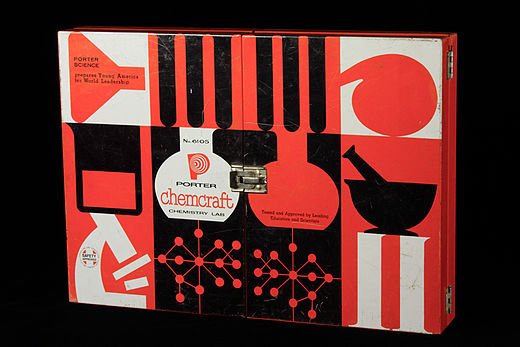
Over the decades, regulatory changes have significantly reshaped the design of chemistry kits, emphasizing safety by limiting the inclusion of hazardous materials. The Federal Hazardous Substances Labeling Act of the 1960s mandated labeling for all toys containing toxic substances, prompting substantial modifications in kit contents. Evolving safety regulations led to the removal of hazardous materials like acids and alcohol lamps, which were once common in early chemistry sets.
The establishment of the Consumer Product Safety Commission in 1972 introduced stricter standards, further restricting the types of chemicals and experiments permitted in chemistry sets. By the 1990s, traditional kits were redesigned with a strong emphasis on safety, often containing only non-toxic materials or no chemicals at all. This shift prioritized safety over exploratory experimentation.
Modern Chemistry Set Designs
Modern chemistry set designs have evolved to prioritize safety and education while engaging young scientists. Today’s sets focus heavily on safety by replacing glass components with durable plastic and using non-toxic materials, allowing for scientific exploration without the risk of exposure to hazardous chemicals.
Many sets are thoughtfully designed with progressive difficulty levels, enabling users to build on their knowledge and skills through increasingly complex experiments. Instructional manuals provide detailed guidance, including safe experimentation practices, historical context, and proper disposal methods.
The emphasis has shifted from traditional chemical reactions to activities that promote STEM learning. Many kits now integrate technology, using apps or interactive elements to enhance the educational experience. This resurgence in revamped chemistry sets reflects a growing interest in hands-on scientific learning, fostering curiosity and creativity in a safe environment.
Engaging Young Scientists Today
Engaging young scientists in today’s world involves hands-on learning experiences that ignite curiosity and deepen their understanding of scientific principles. Modern chemistry sets are designed to inspire children to explore STEM education safely and creatively, utilizing non-toxic materials and clear safety instructions.
Here are three effective ways to encourage your budding scientists:
- Invest in chemistry sets: Choose kits that offer varying levels of difficulty to match different developmental stages. This allows your child to progressively build their knowledge and skills in chemistry.
- Embrace DIY experiments: Encourage at-home scientific explorations using everyday materials. This hands-on approach may get messy but provides a powerful learning experience.
- Leverage online resources: Access community platforms and educational websites that offer safe and creative experiment ideas. These resources support young scientists in pursuing their interests and conducting meaningful scientific investigations.
Dynamics in Chemistry Marketing
In the early 20th century, brands like the A.C. Gilbert Company targeted boys exclusively, reinforcing narrow gender dynamics within educational toys. The 1950s saw the introduction of the Lab Technician Set for Girls, with pink packaging suggesting that girls could only aspire to be assistants in the lab. This limited female representation in science-focused toys persisted for decades.
As societal views evolved, so did marketing strategies. The 1960s marked a significant turning point with brands beginning to adopt gender-neutral approaches, promoting inclusivity and encouraging both boys and girls to explore science through chemistry sets. Today, companies understand the importance of engaging all children in scientific investigation, regardless of gender.
The current landscape of chemistry set marketing embraces diversity, promotes female representation, and challenges outdated stereotypes. By creating inclusive educational toys, brands foster interest in STEM fields among girls and inspire future generations of scientists. Modern chemistry sets reflect a more equitable approach, celebrating curiosity and innovation for everyone.
The Role of DIY Chemistry
DIY chemistry empowers individuals to experiment hands-on, igniting creativity and scientific curiosity in learners of all ages. Modern chemistry kits now make it easier and safer than ever to explore the world of science by replacing hazardous substances with safer alternatives.
Engaging in DIY chemistry offers numerous benefits:
- Creativity: These kits allow you to design your own experiments, mixing and matching materials to discover new results.
- Problem-solving: Encountering challenges during experiments fosters critical thinking skills applicable to real-world situations.
- Community support: Online platforms and resources provide invaluable guidance, enabling you to learn and share your findings with a broader audience.
With the resurgence of interest in DIY chemistry, you are part of a movement that encourages exploration and innovation. Participating in these hands-on activities not only deepens your scientific understanding but also equips you with valuable skills for the future. So, grab a modern chemistry kit and embark on your scientific adventure today!
Conclusion
The evolution of chemistry sets reveals a significant transformation from their 1930s origins. Modern kits emphasize safety and inclusivity while sparking curiosity in young scientists. With a focus on hands-on learning and DIY experimentation, these sets inspire future innovators from diverse backgrounds. By engaging with contemporary chemistry sets, you join a movement that champions creativity and scientific inquiry for all.