The Evolution of Lead Toy Soldiers in the 1930s
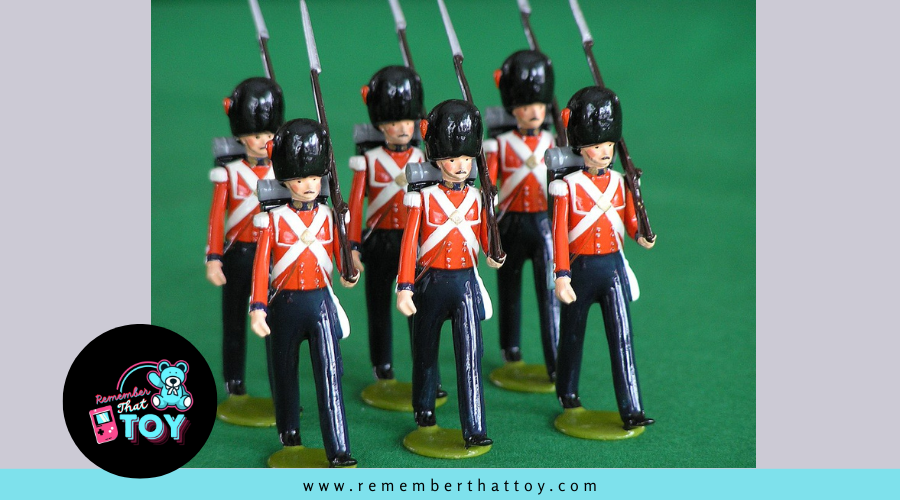
The history of these miniature figures dates back to ancient Egypt, where they symbolized military strategy and were found in tombs as early as 2500 BC. Fast forward to the late 18th century, and you'll uncover the initial mass production of toy soldiers by a Parisian firm called Mignot. They crafted lead figures around 2 inches tall, painted in lively colors, sparking a fascination with these collectibles.
The production of toy soldiers took a revolutionary turn in 1893 when William Britain introduced hollow-casting techniques. This innovation made the figures lighter, cheaper, and more accessible for children, paving the way for their widespread popularity. In the 1930s, lead toy soldier casting kits became a hit, allowing families to create their own figures at home, fostering creativity and bonding.
Innovations in Lead Production
During the 1930s, lead toy soldier production saw considerable advancements that transformed the industry. One notable improvement was the adoption of groundbreaking casting techniques. These techniques improved efficiency and allowed for greater detail in the figures. The Manoil brothers, for example, began manufacturing lead toy soldiers in Manhattan, using a new lead-casting process that greatly augmented their production capabilities.
This period also sparked interest in home casting, where families melted lead and poured it into molds, creating their own toy soldiers. This hands-on approach not only fostered creativity but also made the hobby accessible to many. As production ramped up, quality control measures were established, emphasizing craftsmanship and ensuring consistency in the final products.
However, despite these advancements, the industry faced challenges. World War II brought about metal shortages, which led to a decline in the popularity of lead toy soldiers. Manufacturers had to adapt, eventually shifting towards plastic materials in the following decades. These advancements in lead production during the 1930s laid the groundwork for future developments in the toy soldier sector, even as the industry began to evolve.
Popularity of Toy Soldier Kits
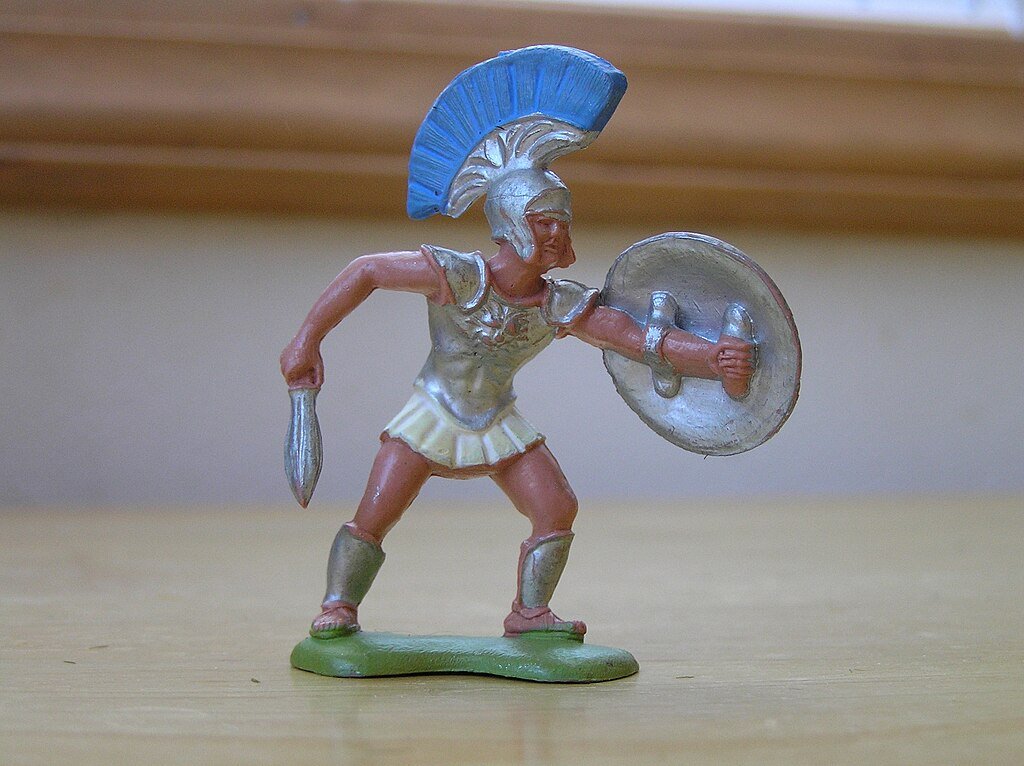
The advancements in lead toy production in the 1930s sparked a surge in the popularity of toy soldier kits, which allowed families to create their own figures at home. These casting kits typically included molds, lead bars, enamel paints, and brushes, turning the process into a father-son bonding experience. You could melt the lead and pour it into molds, engaging in creative play while crafting your own lead toy soldiers.
During the Great Depression, these kits became particularly appealing. Families faced economic hardships, and making toys at home provided a cost-effective solution. Instead of purchasing expensive toys, you could enjoy the satisfaction of creating something unique. The hands-on experience of home casting also allowed children to investigate their creativity, making the process both fun and educational.
Health Concerns and Regulations
What happens when a beloved toy becomes a health risk? As lead toy soldiers gained popularity in the 1930s, health concerns began to surface regarding lead ingestion and its potential link to developmental problems in children. By the mid-1960s, these safety concerns intensified, prompting public demand for regulation.
To address these issues, the Federal Hazardous Substances Act of 2002 was enacted, establishing strict regulations on lead levels in toys. This reflected a growing commitment to child safety. Meanwhile, European countries had already begun banning lead-based paints as early as 1909, showcasing an early recognition of the health risks associated with lead.
As a result of these regulations and rising health concerns, manufacturers started to change towards safer materials like plastic. This shift ultimately contributed to the decline of lead toy soldiers, aligning with consumer demand for safer toys.
Home Casting Techniques
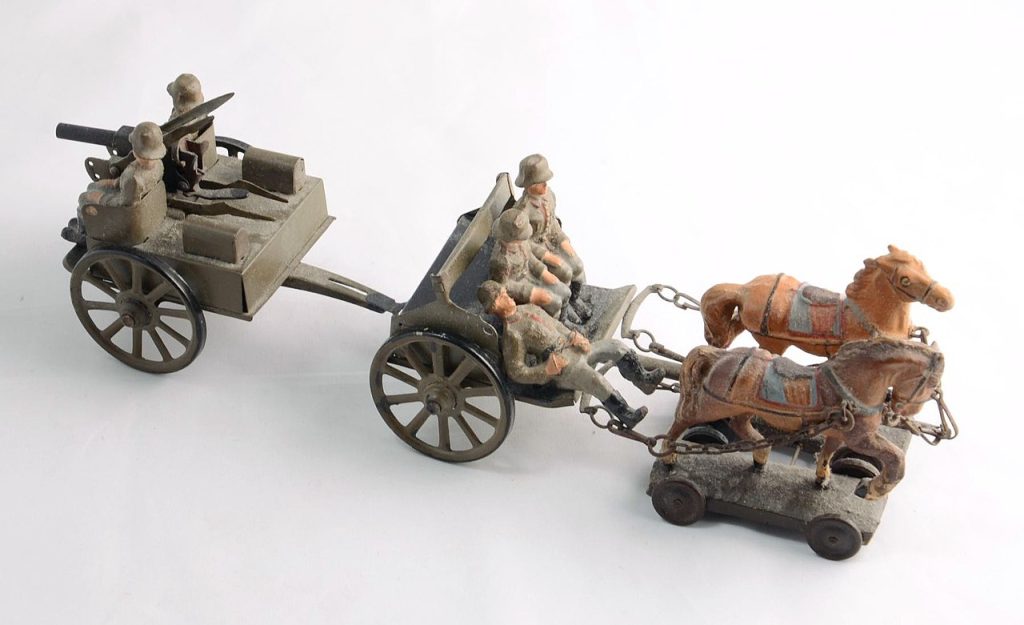
Many families adopted home-casting techniques for lead toy soldiers in the 1930s, turning it into a cherished bonding experience. The process was straightforward yet engaging. You'd heat metal molds, melt lead, and pour it into those molds to form soldiers. Once cooled, you could release your imagination with lively paints, bringing your lead toy soldiers to life. This DIY spirit resonated deeply during the Great Depression, as families sought economical ways to entertain themselves and bond.
Cultural Impact of Toy Soldiers
Crafting lead toy soldiers at the kitchen table not only fostered family bonds but also sparked a broader cultural phenomenon. During the 1930s, these figures became more than just playthings; they represented a way for families to connect amidst the struggles of the Great Depression.
Notable Manufacturers in the 1930s
In the 1930s, notable manufacturers like the Manoil company and Marx Toy Company played crucial roles in shaping the lead toy soldier market. The Manoil company, founded by Maurice and Jack Manoil, became one of the largest producers of lead toy soldiers in the United States, relocating to Waverly, New York, to expand their operations. Meanwhile, the Marx Toy Company gained prominence during this decade by offering a diverse range of lead figures and themed boxed sets, appealing to both children and collectors.
Britain's company continued to innovate, enhancing the appeal of their detailed lead figures with intricate hand-painted designs that captured contemporary military uniforms and settings. Other manufacturers like Heyde and Mignot contributed high-quality lead figures, attracting affluent collectors in Europe and America.
The 1930s also saw the introduction of lead toy soldier casting kits, allowing consumers to create their own figures at home. This not only provided a fun activity but also promoted father-son bonding through creative play. Together, these manufacturers shaped a lively landscape for lead toy soldiers, reflecting both artistic craftsmanship and a sense of community in play.
Collecting Trends and Valuation
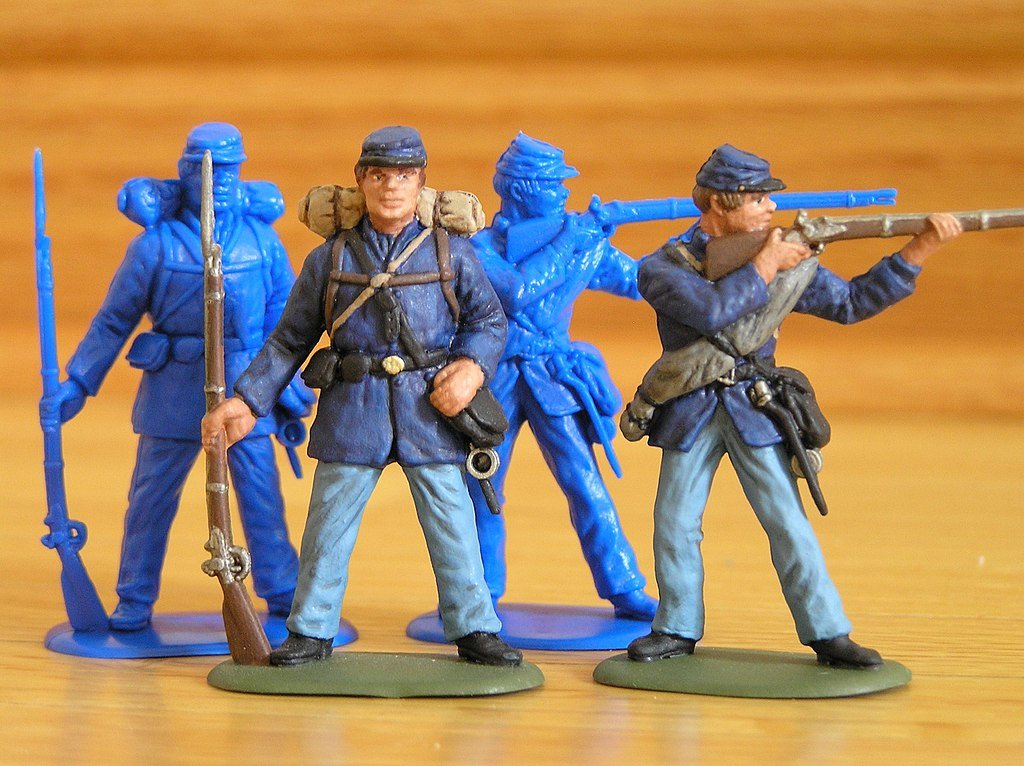
The rise of lead toy soldier casting kits in the 1930s sparked a renewed interest in collecting these figures, as enthusiasts welcomed the opportunity to create their own customized soldiers at home. This trend not only encouraged creativity but also led many to appreciate the craftsmanship and historical significance of pre-World War II lead toy soldiers. Collectors began to seek out unique sets, especially the highly coveted Manoil figures, which have become some of the most sought-after items in the market.
Factors influencing the valuation of these collectibles include:
- Condition: Pristine examples can command premium prices.
- Rarity: Limited editions and hard-to-find pieces are more valuable.
- Craftsmanship: Intricate designs and quality materials improve desirability.
- Themed Collections: Interest in diverse themes, such as cowboys and historical scenes, reflects broader cultural trends.
As collecting trends shifted during the 1930s, collectors not only focused on military figures but also adopted themed collections that mirrored their interests. This growing passion for lead toy soldiers has made them not just toys but valued pieces of history that collectors cherish today.
Conclusion
Lead toy soldiers played an important role in both playtime and family bonding during the 1930s. These miniature figures weren’t just toys—they encouraged creativity, hands-on learning, and connection between parents and children through home casting kits. Manufacturers like Manoil, Marx, and Britains brought these figures to life with detailed designs and creative sets, making them popular among kids and collectors alike.