The Evolution of 90s Action Figures and Their Collectible Value
In the 90s, action figures from Kenner's Batman and Toy Biz's Marvel lines captivated fans. Their iconic designs and detailed sculpting set new industry standards. With nostalgia fueling demand, these figures have skyrocketed in collectible value, driven by limited editions and media influence.
The evolving market sees adult collectors relishing childhood memories, highlighting shifts from simplicity to today's advanced articulation. Understanding how these trends shape the toy world improves your appreciation of these timeless gems.
Key Takeaways
- Kenner's Batman figures set a standard with art deco influences, echoing the animated series' aesthetic since 1992.
- Toy Biz's Marvel line introduced detailed sculpting and articulation, innovating with concepts like Build-A-Figure.
- 90s action figures' collectible value is driven by nostalgia and social media, with rare figures commanding premium prices.
- Modern collectibles feature hyper-realistic designs and advanced articulation, contrasting with simpler 90s figures.
- Limited production runs and mint-condition status significantly influence the rarity and value of 90s action figures.
The Rise of Kenner's Batman: The Animated Series Figures
Kenner seized the moment by launching the Batman: The Animated Series figures right after the show's 1992 premiere, tapping into its growing popularity. You immediately noticed the art deco influence, capturing the show's sleek aesthetic.
The initial wave offered a character variety that thrilled you, featuring iconic figures like Batman, Robin, Joker, and villains such as Clayface and Scarecrow. Despite some figures using existing molds from previous lines like Super Powers, you appreciated the effort to bring these characters to life.
The parallel release alongside Batman: Mask of the Phantasm figures further solidified Kenner's market position, despite critiques on articulation quality. These figures became a staple for fans, cementing Kenner as the dominant DC licensor of the timeframe.
The resurgence of interest in classic action figures has also seen a spike in the collectibility of the original TMNT action figures, highlighting the enduring appeal of 90s toy lines. The transition of toy lines from Kenner to Mattel in 2003 marked a new chapter, as Mattel expanded the character offerings beyond the traditional Superman/Batman universe.
Toy Biz's Marvel Super Heroes Line: A Comic Book Legacy
Toy Biz transformed the action figure landscape with its Marvel Super Heroes line, capturing the imaginations of comic book fans everywhere. Founded in 1988, Toy Biz partnered with Marvel in 1990, launching a toyline in 1991 that brought classic characters like Wolverine and Spider-Man to life.
These Marvel character adaptations quickly became iconic, thanks to Toy Biz innovations like detailed sculpting and articulation that set industry standards. The line introduced key concepts such as the highly sought-after Build-A-Figure and Marvel Legends, focusing on comic-accurate designs.
Notable figures like Iron Man and Hulk, along with variants such as Mohawk Storm, became collector favorites. Toy Biz's legacy continues to influence action figure design, emphasizing creative adaptations and collectibility. During the mid-00s, Toy Biz rebranded as Marvel Toys for non-Marvel products, marking the end of an era as the company eventually closed in 2007.
The impact of television tie-ins on action figure popularity was evident in the success of Toy Biz's Marvel Super Heroes line, drawing comparisons to other iconic lines like Kenner's Star Wars.
DC's Total Justice and DC Super Heroes: Introducing Lesser-Known Characters
In the 1990s, DC's Total Justice and DC Super Heroes lines expanded the action figure universe by spotlighting lesser-known characters and alternate versions of iconic heroes. You could find figures of Conner Hawke as Green Arrow, capturing a unique comic period, and young heroes like Impulse, appealing to fans of post-Crisis characters.
The lines didn't shy away from B List Villains either, featuring figures like Dr. Polaris, which enriched villain options for collectors. Martian Manhunter ultimately got his time to shine, albeit with a recycled Superman sword sculpt.
View this post on Instagram
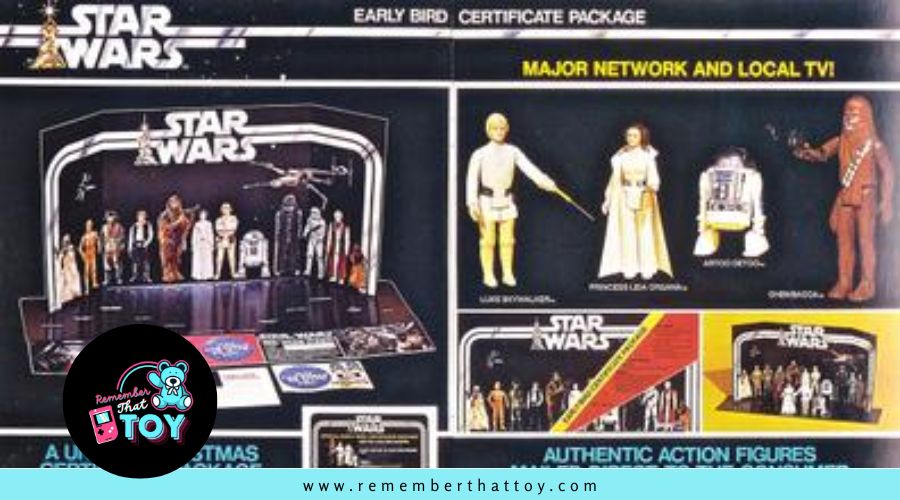
The design trends loved oversized accessories and scaly armor, making these figures distinct. With non-traditional power sets like Deluxe Superman Blue, these collections offered a fresh look at DC's diverse roster. The JLA Superman Blue, for instance, was particularly notable for its sharp blue and white color scheme, reflecting an electricity-powered Superman. Kenner's Star Wars figures, with their iconic status, exemplified the era's trend of creating expansive toy lines that tapped into both nostalgia and new storytelling. While the 1989 release of Tim Burton's Batman redefined cinematic experiences, its impact went beyond the big screen, transforming the toy industry. You saw the Bat-symbol everywhere, from toys to cereals, thanks to aggressive cross-platform promotion by Time-Warner. This was a masterclass in merchandise diversification and brand synergy. The Batmobile and Prince's soundtrack weren't just film elements; they were part of a broader marketing strategy that captured imaginations. Media deregulation allowed for a massive promotional reach, enabling the Bat-brand to penetrate every aspect of consumer life. This approach was so successful that later films like Jurassic Park and Dick Tracy copied it. The introduction of "gender-neutral" toys also influenced the market, though it was later reversed following consumer feedback. Batman became DC and WB's most lucrative superhero property following the film's success, setting a precedent for future superhero films in terms of merchandising and brand presence. Similarly, the Star Wars action figures of the late 70s set a standard for collectibles that influenced the market dynamics for decades. Even though the 90s may feel like yesterday, the action figures from that decade have skyrocketed in value, turning them into sought-after collectibles. Franchise-driven valuation has propelled figures like TMNT's Donatello ($52.60 mint) and Star Wars exclusives to new heights, with rare pieces reaching $200–$300. Market dynamics highlight limited editions and misprints, such as Star Wars Action Fleet sets, which command +50% premiums. Collectible trends reveal nostalgia-driven pricing, with retro figures like Furby fetching $450. Social media platforms amplify demand, showcasing unique finds. The Tickle Me Elmo craze was an iconic example of the 1990s toy phenomenon, influencing toy marketing strategies for years to come. The condition considerably impacts value; mint TMNT figures, for example, maintain higher prices compared to used. Even music memorabilia from the 90s has seen significant appreciation, as items like signed Nirvana posters can sell for $2,499. These dynamics transform 90s action figures into valuable collectibles, driven by scarcity and nostalgia. The change from screen to shelf relied heavily on accuracy and appeal. Screen accuracy was a major selling point, with figures like those from Batman: The Animated Series closely mirroring their on-screen counterparts. Accurate details, from Total Justice gear to detailed accessories, captured fans' imaginations. The nostalgic appeal was undeniable; collectors cherished figures that reminded them of their favorite characters. Custom figures filled gaps when official versions, like Christopher Reeve's Superman, weren't available. Animated series-inspired designs, such as X-Men and Justice League Unlimited, offered unique screen-to-shelf transformations. This period's figures often showcased a perfect blend of authenticity and nostalgia, drawing fans and collectors alike. The cohesive theme of collections was often highlighted in expertly arranged display cabinets, creating an engaging visual experience for enthusiasts. Much like Big Jim action figures from the 70s, collector culture played a significant role in the popularity and value of these 90s action figures. In the current collector market, the nostalgia for 90s action figures has reached a fever pitch, driven by a blend of social media exposure and cultural revival. Platforms like Instagram and TikTok fuel demand through fan engagement and nostalgic marketing. Collectible trends show that mint-condition figures in original packaging are highly coveted, with Power Rangers sets fetching high prices. The diverse range of toys from the 1990s, catering to different interests and age groups, contributed to the era's identity and continues to inspire collectors today. The revival of iconic franchises and limited editions amplifies the craze. Recent sales of first-generation Furbies in original packaging highlight the increasing demand for these quirky, interactive pets that defined a generation. As collectors seek childhood memories, the demand for these nostalgic gems shows no sign of slowing down. While 90s action figures hold a special place in the hearts of collectors, modern collectibles have raised the bar with their intricate design and articulation. You may notice articulation differences that immediately stand out. Back in the 90s, figures like Kenner's Star Wars had limited movement, making dynamic posing nearly impossible. Today, thanks to design evolution, modern figures boast impressive articulation, allowing for a wide range of poses. The Masters of the Universe franchise exemplifies this evolution with their engaging action figures that defined the 1980s, setting the stage for future advancements in toy design. The design evolution also means that modern collectibles are often hyper-realistic, capturing screen-accurate details through advanced digital sculpting. In contrast, 90s lines focused on simplicity, as seen in the basic 5-inch Power Rangers figures If you're a collector, these advancements mean modern toys offer a richer and more versatile collecting experience. Many 90s figures are undervalued and easy to find, making them appealing for collectors who appreciate vintage charm without breaking the bank. When diving into the world of 90s toy collectibles, understanding the factors that influence their rarity and value is vital. Production oversupply often flooded markets, preventing many toys from gaining value—ToyBiz's X-Men figures are a classic example, where only rare variants hold long-term worth. On the flip side, scarcity creation through limited production runs enhanced rarity for lines like Mummies Alive! and Skeleton Warriors. Toys tied to short-lived trends depreciated quickly, while media tie-ins impacted collectibility, as seen with Teenage Mutant Ninja Turtles. Misprints or packaging errors also increased a toy's desirability. Notably, the nostalgia factor plays a significant role in the market, driving collector demand and influencing pricing trends for these vintage toys. Finally, the condition remains significant; mint-in-box items, like the X-FORCE Deadpool, command substantial premiums, as does accessory preservation with Starting Lineup figures. Among the many 90s toys that evoke nostalgia, Tamagotchi's introduction in 1996 marked a significant moment in the digital pet craze, becoming a must-have for children and contributing to the high demand for vintage collectibles. Although often overlooked, accessories play an essential role in the collectibility of 90s action figures. They bring characters to life and enhance the value of iconic playsets. Think about Polly Pocket Unicorn Partyland with its confetti and tiny elements or Power Rangers figures armed with mini swords and helmets. These character accessories aren't just for show; they define the personality and appeal of each figure. TMNT's pizza cutters and Wolverine's katanas are perfect examples. Limited editions, like Knightquest Batman's jagged metal cape, highlight how unique add-ons can boost a figure's desirability. Collectors often seek complete sets, knowing that missing a single accessory, like a Star Wars lightsaber or G.I. Joe's binoculars, can greatly affect its worth. Proper storage is essential to maintain the condition of these accessories and the action figures themselves, preventing damage from sunlight and humidity. High-quality materials, like those used in the Power Rangers Mighty Morphin Multipack, not only enhance durability but also contribute to the collectible value of the figures. When you're examining 90s action figures, you'll notice the variety of plastic types and production techniques used. Manufacturers relied on ABS for durability, PVC for flexibility, and urethane for prototypes. Nylon added softness, while die-cast metal gave weight. Techniques like injection molding and ultrasonic welding guaranteed mass production. Finishing touches included acrylic paints and glow-in-the-dark additives. These materials and methods defined the period's action figures, making them iconic collectibles today. Packaging design greatly influences the value of 90s action figures. As a collector, you prefer figures in mint condition, so sealed packaging is essential. The packaging design, with intact bubbles and uncreased cards, can make a figure worth 2–5 times more. Collector preferences lean towards original, undamaged packaging, often valuing items with unique inserts or limited statements. So, always keep an eye out for well-preserved and visually compelling packages. When discussing 90s action figure controversies, you'll find that marketing ethics often clashed with societal norms. Controversial characters like those from Mortal Kombat stirred debates due to their violent origins, even leading to congressional hearings. Sears' "Villains" line was pulled for featuring a terrorist figure post-Columbine. Design missteps included inaccurate depictions, while figures like Django Unchained sparked backlash for their insensitive commercialization of historical trauma. These examples highlight the time period's complex landscape. You're curious about how licensing agreements shaped 90s action figures, right? Licensing had a massive impact, propelling brand collaborations with popular franchises like Star Wars and Transformers. These partnerships diversified product lines, but they also created fierce competition and market saturation. Companies relied heavily on the success of related media, so a blockbuster movie could enhance sales, while a flop could hurt them. Licensing defined which figures were produced and their market presence. You're looking at how international markets played a vital role in the distribution of 90s action figures. Companies used global markets to expand their reach, implementing export strategies that catered to regional preferences. By collaborating with local producers, they tailored products to fit cultural tastes, enhancing sales. These partnerships not only increased brand visibility but also guaranteed that action figures were readily available to fans worldwide, fueling the industry's growth and popularity.The Impact of Tim Burton's Batman on the Toy Industry
The Collectible Value of 90s Action Figures
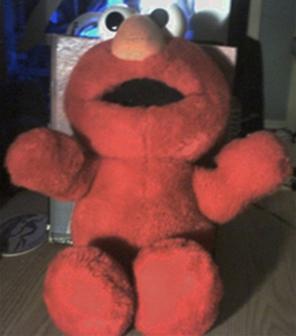
Image: anonymous, Tickle me elmo, CC BY-SA 3.0
The Transition From Screen to Shelf: Accuracy and Appeal
Nostalgia and the Demand for 90s Action Figures
Key Driver Impact Example Social Media Increased visibility TikTok collector videos Packaging Condition Premium pricing Sealed Power Rangers Franchise Revival Enhanced demand TMNT, X-Men Demographic Shifts Adult-driven market 85% sales to adults Cultural Phenomena Auction price spikes Super Mario Bros. 3 Comparing 90s Action Figures to Modern Collectibles
Factors Influencing the Rarity and Value of 90s Toys
Iconic Accessories and Their Role in Collectibility
Frequently Asked Questions
What Materials Were Commonly Used to Produce 90S Action Figures?
How Did Packaging Influence the Value of 90S Action Figures?
Were There Any Significant Controversies Surrounding 90S Action Figure Lines?
How Did Licensing Agreements Affect the Production of 90S Action Figures?
What Role Did International Markets Play in the Distribution of 90S Action Figures?