The Appeal of Cast Iron Banks in 1920s Childhoods
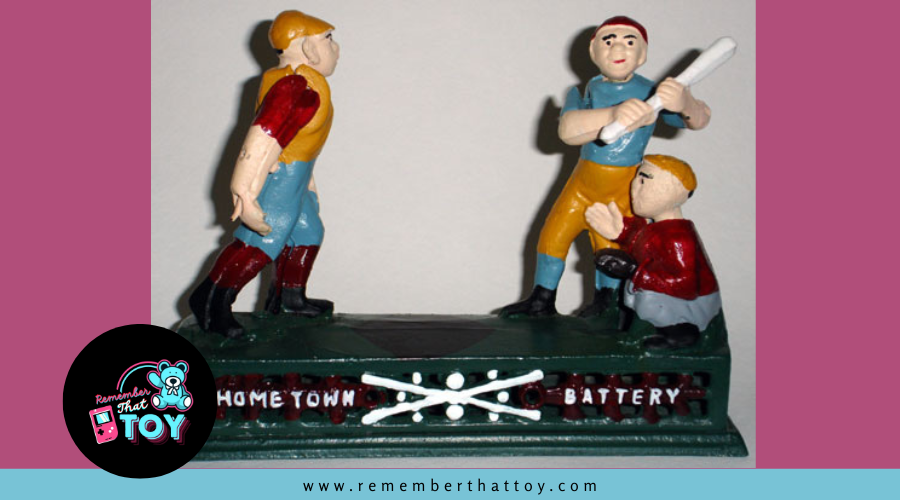
If you think about childhood in the 1920s, cast iron banks likely come to mind as charming symbols of savings and play. These delightful tools have a rich history that dates back to the 1790s in the United States, where they initially emerged as playful ways to promote saving money among children. The Industrial Revolution really ramped up their popularity, enabling mass production and a variety of designs that captivated young imaginations.
By the mid-19th century, at least 400 distinct types of mechanical banks were being produced, each showcasing intricate designs and fascinating mechanisms. Many of these banks took fanciful forms—think playful animals and charming characters—to engage children in the concept of saving. The fanciful nature of cast iron banks made them not just functional but also a source of joy and excitement.
Popular Designs of the Era
Cast iron banks of the 1920s showcased designs that captured the imagination of children and reflected the age's playful spirit. Popular designs featured a delightful array of animals, clowns, and iconic characters, making saving money a fun experience. These banks weren't just pretty; they were crafted to promote saving among young ones, nurturing a sense of thriftiness that resonated with the cultural emphasis on financial education.
Mechanical banks became increasingly popular during this time, enchanting kids with intricate mechanisms that animated the figures. For instance, the famous Humpty Dumpty bank allowed coins to be deposited through a clown's mouth, turning saving into an engaging activity. The J.E. Stevens Company, a leading manufacturer, produced over 400 distinct mechanical bank designs, each one a unique piece of art.
Mechanical Features and Innovations
During the 1920s, mechanical banks captivated children with their intricate features and playful innovations. These cast iron creations often featured animated figures and scenes that performed delightful actions upon coin insertion. You'd watch in awe as a little character would spring into action, rewarding your deposit with a sense of excitement.
Manufacturers like the J. E. Stevens Company led the charge, utilizing levers, springs, and wheels to develop complex mechanisms that appealed to young savers. Originally intended to promote the habit of saving, these mechanical banks transformed into engaging toys. Many even rewarded you with candy for depositing coins, making the experience even more enticing.
With at least 400 distinct types produced, it's no wonder that collectors look for these mechanical marvels today. Original mechanical banks display exceptional craftsmanship, featuring detailed paintwork and functional moving parts. Each piece tells a story of innovation and play, capturing the essence of childhood in the 1920s.
View this post on Instagram
Mechanical banks, like the beloved Humpty Dumpty, were crafted not just as toys but as tools to promote saving and financial literacy. Through play, children learned crucial lessons about money management, and developing habits of thrift and responsibility from an early period. The delightful interactions with these banks made the concept of saving tangible as kids watched their coins disappear into the bank with a satisfying clink. Collectible cast iron banks became cherished toys that combined the joys of play with the significant lessons of saving. This interplay laid the foundation for a lasting cultural legacy, highlighting the significance of financial education in childhood. Consequently, play acted as a critical mechanism in instilling valuable financial habits that would last a lifetime. Childhood memories often include cherished toys that not only entertained but also taught valuable lessons. Cast iron banks, popular in the 1920s, played a significant role in this regard. These old banks weren't just fanciful decorations; they actively promoted saving among children. With designs featuring playful animals and beloved cultural figures, they captured your imagination while instilling the importance of financial responsibility. In a post-World War I period, families viewed cast iron banks as symbols of a return to normalcy and a renewed focus on consumerism. These banks helped to reinforce values of thriftiness and financial literacy during a time of economic recovery. You might find them displayed prominently in homes, blending functionality with aesthetic appeal. Cast iron banks captured the imagination of many, leading to a lively collecting culture that emerged in the 1920s. As children and families welcomed these fanciful mechanical banks, they also learned the importance of saving money. Collectors sought after pieces produced between 1870 and 1930, drawn to intricate designs and clever mechanisms that made each bank unique. The J. E. Stevens Company stood out as a leading manufacturer, creating at least 400 different types of mechanical banks that captivated young savers. This variety fueled collectors' passions, as they aimed to acquire the most delightful and unusual pieces. Authenticity played a significant role, with collectors preferring original cast iron banks that showed genuine wear and tear rather than restored or repainted versions. Today, the market for antique mechanical banks remains lively, reflecting their enduring appeal. For instance, highly sought-after models like the Humpty Dumpty bank can command prices between $350 and $400. When evaluating the value of cast iron banks from the 1920s, collectors should pay close attention to the condition, as original paint and minimal rust can greatly improve desirability. A thorough value assessment involves checking for authenticity by examining screw types, surface texture, and general weight. Genuine banks usually weigh about 30% more than reproductions, which can help you differentiate between original pieces and fakes. Interestingly, slight imperfections in vintage banks can actually elevate their perceived originality and market value, making them more appealing to collectors. It's vital to avoid repainted items, as maintaining the original condition is fundamental for preserving both aesthetic and financial value in the collectibles market. The nostalgia surrounding cast iron banks from the 1920s runs deep, as these items served not just as savings tools but as beloved childhood companions. You likely remember the enthusiasm of receiving one as a gift, perhaps for a birthday or holiday. That moment created a personal connection, making the bank a symbol of financial responsibility and childhood joy. These fanciful banks, like the famous Humpty Dumpty design, captivated your imagination with their intricate features, turning saving coins into a fun activity. Each coin dropped sparked a sense of accomplishment, reinforcing the importance of saving in a playful way.The Role of Play in Saving
Cultural Significance in Childhood
Collecting Trends and Insights
Value Assessment and Authenticity
Wrapping Up
Related posts