The 1960s Doll That Became Barbie's Iconic Companion
What Is the History Behind the Ken Doll?
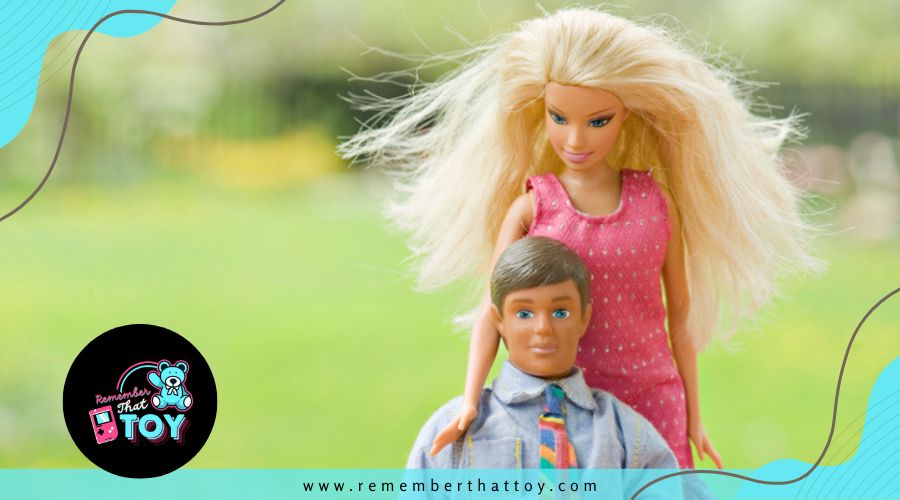
In March 1961, Ruth Handler introduced Ken as Barbie's male counterpart, responding to the growing demand for a male doll. Standing 12 inches tall, Ken initially came in blond and brunette styles, wearing short red swim trunks. His creation aimed to enhance children's play experiences by providing a companion for Barbie, quickly becoming a household staple.
Named after Ruth's son, Kenneth Handler, Ken faced some controversy due to his lack of anatomical accuracy, sparking debates among parents and critics. Initially priced at $3.50, the first Ken doll was made from hard plastic, with hair crafted from flocked felt. In 1962, this material was replaced with molded plastic to improve durability.
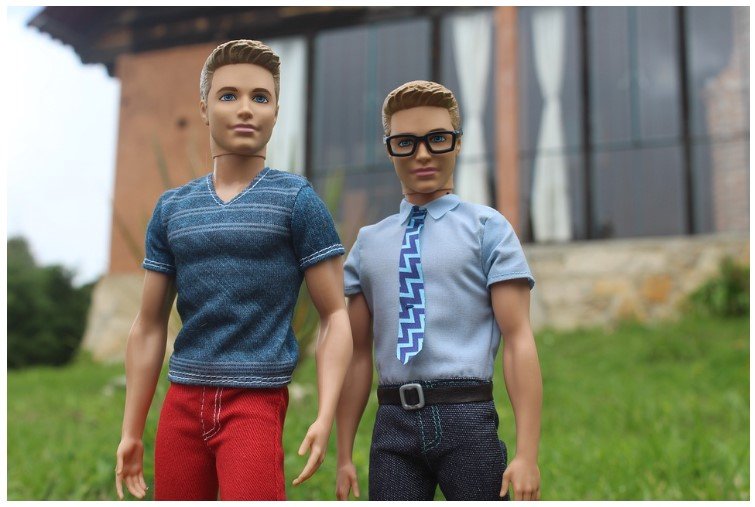
Ken's Fashion Evolution
Ken's fashion journey has mirrored changing trends and cultural influences since his debut in 1961. He began with a short red bathing suit and cork sandals, establishing his initial fashion identity. Examining Ken's early styles reveals their connection to the eras they represent:
- Mod Hair Ken (1970s) - Featuring long hair and mod-inspired outfits, this version captured the youthful exuberance of the time.
- Dream Date Ken (1982) - Donning a dapper tuxedo, he became an elegant counterpart to Barbie, emphasizing sophistication and charm.
- Earring Magic Ken (1993) - This controversial figure wore a mesh shirt and lavender vest, challenging traditional masculinity and resonating with the LGBTQ community.
These styles highlight Ken's adaptability and how he has become a symbol of evolving fashion norms. Each iteration showcases his growth, making him an iconic figure alongside Barbie and a lasting influence on fashion identity in the doll world.
1990s Trend Transformations
Ken's fashion has continually adapted to reflect societal changes and the evolving concept of masculinity. When Ken debuted in 1961, he sported a simple red bathing suit and cork sandals, marking the start of his fashion evolution. The 1970s introduced Mod Hair Ken, who flaunted long locks and diverse outfits, mirroring the decade's bold styles.
By the 1980s, Dream Date Ken emerged in a classic tuxedo, often stealing the spotlight from Barbie. His sleek look showcased a more refined version of masculinity. In the 1990s, Totally Hair Ken appeared, featuring real hair for styling, aligning with the era's flamboyant fashion trends. However, it was Earring Magic Ken, released in 1993, that truly sparked conversations about masculinity. With his mesh shirt and lavender vest, he became a favorite among LGBTQ consumers, challenging traditional gender norms.
Modern Inclusive Designs
Ken's fashion evolution continues to break boundaries, embracing inclusive designs that celebrate diversity and redefine traditional masculinity. Since his debut, Ken has evolved from a simple red bathing suit to a style icon that mirrors today's society. With the introduction of a diverse line of Ken dolls, Mattel has made significant strides in the toy industry.
Here are three key highlights of Ken's modern fashion evolution:
- Range of Skin Tones: The new Ken dolls come in various skin tones, offering children a more relatable and representative play experience.
- Unique Hairstyles: Ken now features a variety of hairstyles, allowing for creative expression and reflecting contemporary trends.
- Inclusive Features: Some dolls showcase unique characteristics, such as vitiligo or mobility aids, ensuring all children feel seen and valued.
These inclusive designs not only signify a shift in the toy industry but also promote acceptance and understanding among young audiences. By challenging outdated stereotypes, Ken encourages kids to embrace their individuality while fostering a culture of inclusivity. This evolution marks a pivotal moment in Ken's progression as an icon in play.
Relationship With Barbie
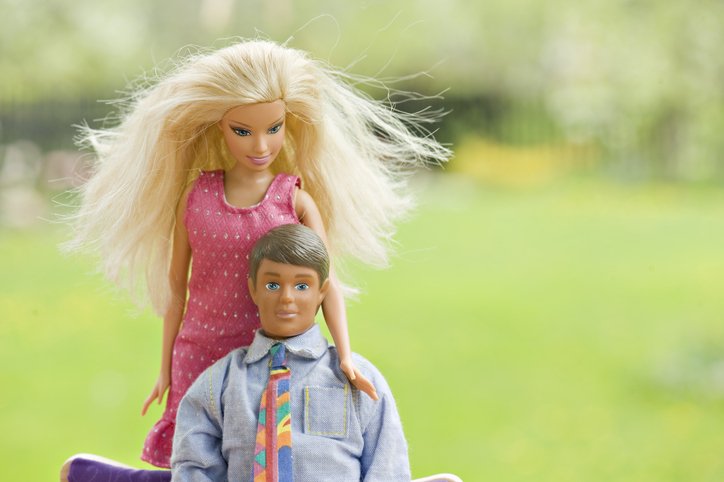
From the moment Ken was introduced in 1961, he played a supporting role in Barbie's vibrant world, often overshadowed by her dynamic persona and diverse career options. As Barbie's male counterpart, Ken was designed to complement her, but he frequently seemed secondary in their relationship. Here are three key aspects of their initial dynamics:
- Consumer Demand: Ken's creation responded directly to the growing consumer interest in a male doll, indicating that there was a desire for more than just Barbie's adventures.
- Simplistic Persona: While Barbie dazzled in a variety of careers and outfits, Ken was often portrayed with a simpler personality, lacking the depth that made Barbie iconic.
- Commercial Roots: Their relationship began during a commercial shoot, but Ken's role was mainly to support Barbie's narrative rather than to establish his own.
Despite being Barbie's boyfriend, Ken's lack of a Dream House and his simplified character reinforced the notion that Barbie was the star of their story, leaving Ken in her shadow as he navigated his identity in her vibrant world.
Breakup and Reunion Journey
Barbie and Ken's breakup in 2004 marked a pivotal moment, reflecting the complexities of love and personal identity in a rapidly evolving world. Barbie initiated the split, opting for authenticity as sales waned. She friend-zoned Ken and shifted her attention to a new love interest, Blaine. This period of separation compelled Ken to reassess his identity and appeal.
From 2006 to 2010, Ken underwent a significant transformation under the guidance of stylist Phillip Bloch, aiming to modernize his image and rekindle his relationship with Barbie. His efforts culminated in their official reunion in 2011, celebrated with romantic billboards in NYC and LA, and a Facebook status change to ‘in a relationship.'
Their journey took another turn with the 2023 film 'Barbie,' where Ken's character was given greater emotional depth. This reunion not only underscored their enduring bond but also touched on contemporary themes of validation and identity. Their story illustrates how love can evolve, adapt, and ultimately thrive in unexpected ways.
Ken's Reinvention Over Time
Ken's Evolution Over Time
Ken has continually evolved to reflect changing fashion trends and cultural norms, showcasing his adaptability as Barbie's iconic companion. This reinvention keeps him relevant and resonates with fans of all generations. Here are three key moments in Ken's transformation:
- Bold Fashion Shifts: From Mod Hair Ken in the 1970s to Totally Hair Ken in the 1990s, he embraced styles that mirrored the times.
- Challenging Norms: Earring Magic Ken's flamboyant look in 1993 broke traditional masculinity molds, attracting a diverse audience, particularly within the LGBTQ+ community.
- Inclusivity: In 2017, Mattel launched diverse Ken dolls with different skin tones and hairstyles, promoting broader representation that aligns with today's values.
These changes highlight Ken's progression from a secondary character to a dynamic figure in the world of Barbie dolls. Each reinvention reflects not only fashion but also societal shifts, ensuring Ken remains a beloved icon. His story demonstrates that adaptability is crucial in staying relevant, and Ken certainly embodies that spirit.
Ken in Popular Culture
Ken's presence in popular culture has evolved considerably, shifting from a mere accessory to Barbie to a character with his own emotional experiences and complexities. Introduced by Barbie's creator, Ruth Handler, in 1961 as Barbie's counterpart, Ken initially served as a supportive figure. Recent portrayals, however, have started to challenge and expand that narrative.
Three notable trends in Ken's representation include:
- Emotional Depth: The 2023 film 'Barbie' delves into Ken's struggles and emotions, presenting him as more than just a sidekick.
- Humor and Complexity: Ken often provides comic relief while addressing deeper issues related to masculinity and identity.
- Cultural Commentary: Modern interpretations of Ken reflect broader discussions about gender roles, moving beyond traditional expectations.
These shifts highlight a growing interest in Ken as a character, allowing him to step out of Barbie's shadow and into a more defined role in popular culture. As Ken continues to evolve, audiences may find themselves more connected to his experience than ever before.
Diverse Ken Collections
Mattel's diverse Ken collections are transforming playtime by offering dolls that represent a wide array of identities and experiences. Since June 2017, the introduction of a variety of Ken dolls has brought multiple skin tones, hairstyles, and body types to the forefront. This shift toward inclusivity allows children to engage with characters that resonate with their own identities and those of their peers.
With options like Ken dolls sporting man buns and natural hair textures, representation is more meaningful than ever. Features such as vitiligo demonstrate Mattel's commitment to showcasing real-life diversity. The introduction of Ken dolls in wheelchairs in 2021 further highlights this dedication to inclusivity, ensuring that every child can find a doll that reflects their reality.
Ken's evolution extends beyond appearances; with nearly 40 different careers, he embodies a broader range of roles and interests. These collections challenge traditional gender norms, fostering complex narratives and discussions around gender identity and expression. This modern approach helps cultivate a sense of belonging and acceptance through play.
Ken in Popular Culture
Ken's presence in popular culture is evolving, revealing potential for more nuanced and relatable portrayals that resonate with today's audiences. The 2023 film 'Barbie,' featuring Ryan Gosling as Ken, marks a shift towards deeper character development. Here are three ways Ken's future looks promising:
- Diverse Representations: Since 2017, the introduction of various skin tones and hairstyles demonstrates a commitment to inclusivity, enabling Ken to embody a broader spectrum of masculinity and backgrounds.
- Complex Narratives: As discussions around gender roles progress, Ken can evolve beyond being just Barbie's accessory. Expect stories where he has his own path, challenges, and triumphs.
- Cultural Relevance: Ryan Gosling's portrayal has reignited interest in Ken, suggesting future products could reflect contemporary themes and align with evolving societal expectations for male figures in the toy market.
As Ken's character becomes more intricate, he is poised to inspire a new generation, proving he is more than just Barbie's companion; he is a relatable figure in his own right.
Conclusion
Ken's journey from a simple companion to a complex figure mirrors the evolving landscape of gender roles and representation. His fashion evolution and relationship with Barbie reflect changing societal norms, while his enduring presence in popular culture showcases his lasting impact. Despite facing controversies, Ken remains a beloved icon, proving that adaptability and emotional depth resonate with generations. Looking ahead, Ken dolls will likely continue to inspire imaginative play and challenge traditional stereotypes.