The 1950s Wiffle Ball That Changed Backyard Baseball
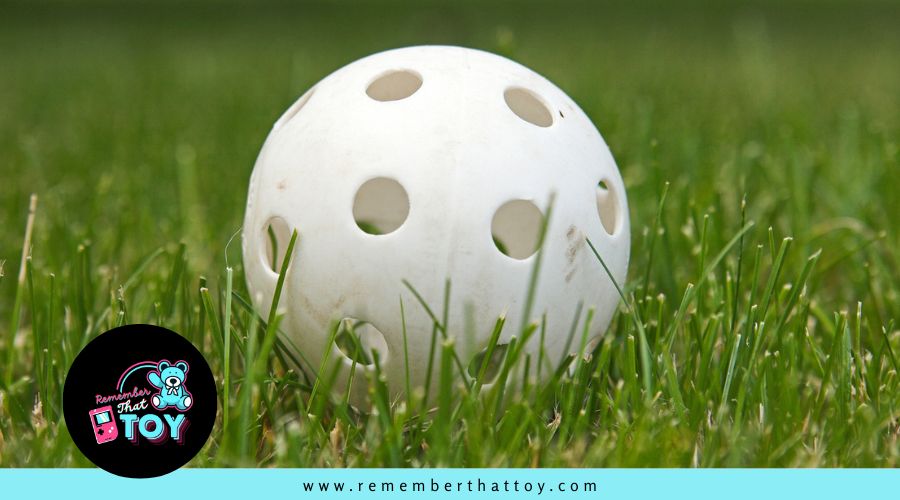
Wiffle Ball was invented in 1952 by David N. Mullany, who sought to create a safe and fun alternative for kids wanting to play baseball. Observing his son play with a broomstick and a perforated golf ball sparked Mullany’s idea. His goal was to design a ball that allowed children to enjoy baseball without the injury risks associated with hard baseballs.
The unique design of the Wiffle Ball, featuring holes, enabled it to curve and slide, allowing kids to practice pitching without the fear of injury. Recognizing the potential of his invention, Mullany secured a second mortgage to fund the initial production in 1953.
The name ‘Wiffle’ comes from slang for a strikeout, embodying the playful nature of the game. Using mold technology from Colt Firearms Factory, Mullany successfully manufactured the Wiffle Ball. This innovative design transformed backyard baseball, making it safer for kids to play and develop their skills.
Unique Design Features
With its unique perforated design featuring eight slots, this ball allows you to throw curveballs and sliders, making every backyard game exciting. Patented in the early 1950s, the Wiffle Ball revolutionized outdoor play by offering a safe alternative to traditional baseballs. Its lightweight construction ensures that players of all ages can enjoy backyard baseball without the risk of injury or property damage.
| Feature | Description |
|---|---|
| Design | Eight perforated slots for trajectory control |
| Weight | Lightweight for easy handling |
| Sizes | Regulation baseball, softball, junior size |
| Safety | Reduces risk of injury and property damage |
| Popularity | Changed recreational culture in the U.S. |
This innovative design has made the Wiffle Ball a staple in American recreational culture, encouraging families to engage in outdoor play. You can experiment with different pitching techniques, adding an element of strategy and skill to your games. Whether playing casually with friends or honing your pitching skills, the Wiffle Ball’s perforated design guarantees a thrilling experience every time.
Lightweight Material Benefits
Made from low-density polyethylene resin, the lightweight material of the Wiffle ball enhances gameplay, allowing players to throw and catch with ease while enjoying the excitement of backyard baseball. This innovative design goes beyond mere fun; it enriches the overall experience for families and friends.
- Easy to throw: The lightweight construction allows players of all ages to effortlessly pitch and bat.
- Strategic options: Perforated slots in the design enable unique pitches like curveballs and sliders, adding depth to the game.
- Safe play: The lighter ball reduces the risk of injury and property damage, making it ideal for confined spaces.
- Accessible for everyone: Available in various sizes, the Wiffle ball caters to different skill levels and age groups.
Thanks to its lightweight material, the Wiffle ball promotes safe play and encourages strategic creativity, making backyard baseball accessible and enjoyable for everyone. This game transforms any yard into a field of endless possibilities. So grab a Wiffle ball, and let the fun begin!
Nostalgia and Family Bonding
Wiffle Ball conjures memories of carefree days spent outdoors, fostering connections and laughter among family members. This classic game evokes nostalgia, reminding you of sun-soaked afternoons filled with backyard baseball. It’s not just a game; it’s a gateway to childhood play, where you and your loved ones can create unforgettable memories together.
What makes Wiffle Ball truly special is its accessibility. With a bat-and-ball set priced at around $3, it’s an affordable activity that invites everyone—regardless of age or skill level—to join in the fun. Picture family reunions or neighborhood block parties where everyone gathers for some outdoor play, bonding over friendly competition.
View this post on Instagram
Wiffle Ball Inc. employs state-of-the-art 300-ton injection molding machines and high-quality low-density polyethylene resin to ensure each ball meets rigorous standards of durability and quality. The production process is meticulously streamlined, guaranteeing that every Wiffle ball produced is ideal for backyard baseball fun. Key Features of Wiffle Ball Inc.'s Production: Founded on David N. Mullany’s vision, Wiffle Ball Inc. continues to uphold his commitment to quality. By concentrating on a limited product line, the company maintains consistency and excellence in every ball produced. The use of advanced injection molding technology not only enhances the balls’ durability but also ensures precise shaping for optimal flight. With a legacy rooted in innovation and a dedication to quality, Wiffle Ball Inc. thrives in the competitive market of backyard sports. Each Wiffle ball is a testament to passion and craftsmanship. To safeguard its identity and maintain market integrity, Wiffle Ball Inc. employs a combination of trademark protections and a focused product line, ensuring its iconic design remains distinct from imitation products. The company’s trademark plays a vital role in deterring knock-offs that surfaced soon after the product’s introduction. By concentrating on its core products, mainly Wiffle Balls and bats, for over 40 years, Wiffle Ball reinforces its brand identity and operational efficiency. While the patent numbers on the balls don’t entirely prevent imitation products, strong brand recognition significantly reduces the need for extensive advertising. This approach allows the family-run business to focus on maintaining high standards of quality and durability in its manufacturing processes. Furthermore, Wiffle Ball Inc. discontinued custom molding services to streamline its offerings, ensuring brand consistency and operational efficiency. Few toys have captured the essence of American childhood like Wiffle Ball, fostering countless backyard games and family gatherings over the decades. This cultural staple has transformed the way people engage in backyard baseball, making it a favorite for children and adults alike. Its affordability, with a bat-and-ball set costing around $3, ensures nearly everyone can join in the fun. Wiffle Ball not only brings families together but also promotes social interactions and community engagement. Neighbors often gather for casual matches or organized tournaments, showcasing their skills and unique pitching techniques. The rise of competitive play, highlighted by the formation of the United States Perforated Plastic Baseball Association in 2001, has elevated the game to new heights. Playing Wiffle Ball can even inspire some to pursue a baseball career. Many aspiring athletes hone their skills through this playful game, perfecting their throws and swings in the backyard. Ultimately, Wiffle Ball remains a cherished part of childhood, blending nostalgia with the excitement of play, proving that even the simplest toys can have a lasting cultural impact. The evolution of Wiffle Ball’s rules signifies its transformation from a casual backyard pastime into a structured sport enjoyed by players across generations. David Mullany’s son originally created the Wiffle Ball rules, detailing player count, positions, batting order, and scoring methods. As the game evolved, it transitioned from informal backyard play to more formal settings. Official gameplay now typically involves teams of 1 to 5 players, creating varied dynamics and strategies. The Wiffle Ball’s lightweight design and unique perforated plastic allow for exciting pitches, such as curveballs and sliders, which keep players engaged and challenge their skills. From its origins as a safer alternative to traditional baseball to its evolution into a structured sport, Wiffle Ball has fostered countless family moments and neighborhood games. Its unique features, affordability, and nostalgic appeal have ensured its place in the hearts of both children and adults for generations.Business Operations Overview
Brand Protection Strategies
Cultural Impact on Play
Rules and Gameplay Evolution
Conclusion