The 1950s Tonka Truck That Built a Legacy
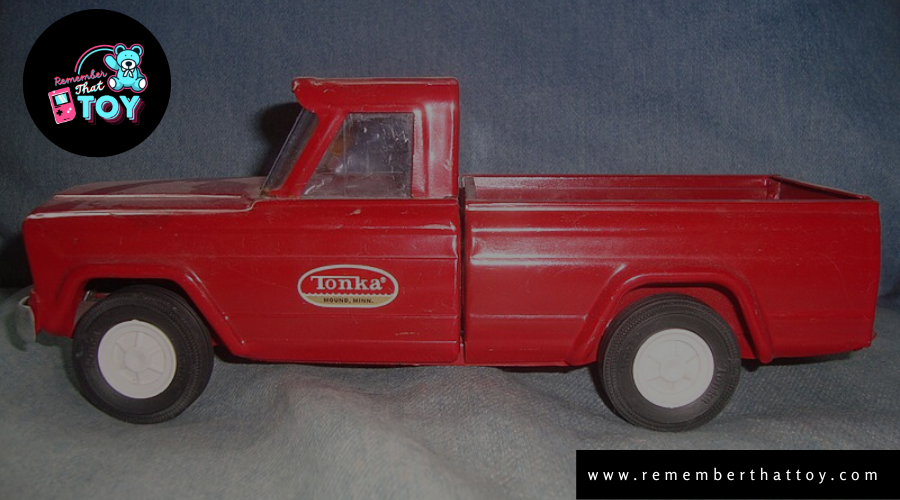
The origins of Tonka Trucks trace back to a small metal gardening tool company that evolved into a beloved toy manufacturer in the late 1940s. Founded in 1946 as Mound Metalcraft in Mound, Minnesota, the company initially specialized in producing metal gardening tools. However, in 1947, a pivotal shift occurred when they acquired the rights to a toy steam shovel. This decision led to the launch of their first Tonka toy, marking the beginning of a new era.
The name ‘Tonka’ is derived from the Dakota Sioux word ‘Tanka,’ meaning ‘great’ or ‘big,’ which aligns with the brand’s commitment to creating large, durable toys. By the end of that initial year, Tonka sold an impressive 37,000 toy models, indicating strong market demand. This success prompted Mound Metalcraft to transition entirely from gardening tools to toy manufacturing, establishing their market presence.
In 1955, the company officially became Tonka Toys Incorporated, fully embracing its identity as a leading manufacturer of durable toys. This transformation not only changed the company’s trajectory but also laid the foundation for the enduring legacy of Tonka Trucks.
Image Attribute: Programmer13 at en.wikipedia, 1960's Tonka Truck, CC BY 3.0
Iconic Models From the 1950s
The 1950s introduced a variety of iconic Tonka models that captured the imaginations of children and laid the groundwork for the brand’s legendary status. Among these, the Mighty Dump Truck stood out as a best-seller, adored for its sturdy construction and vibrant colors. The Tonka Road Grader, produced from 1955 to 1960, featured a robust design that appealed to kids fascinated by construction and heavy machinery.
These models weren’t just toys; they were gateways to adventure and creativity. Consider the feelings they evoke:
- Nostalgia: The excitement of digging and hauling dirt in your backyard.
- Durability: Crafted from steel, these vintage models were built to endure the roughest play.
- Collectibility: Today, collectors seek out these classic designs, appreciating their historical significance.
From the Mighty Dump Truck to the Road Grader, each model tells a story of childhood joy and imagination. Vintage models like the Tonka Steam Shovel and Dump No.315 continue to resonate, reminding us of the simple pleasures that shaped playtime in the 1950s.
The Tonka Brand Journey
Founded in 1946 as Mound Metalcraft, the company initially focused on producing metal gardening tools. In 1947, after acquiring design rights from a competitor, Tonka introduced its first toy, a steam shovel, which sold an impressive 37,000 units in its debut year. By 1955, the company rebranded as Tonka Toys, drawing inspiration from Lake Minnetonka. This rebranding marked the beginning of an expanded product line that included iconic construction vehicles like the beloved dump truck.
As Tonka grew, it became a cherished brand among children and their parents alike. The brand became synonymous with:
- Durable toys that can withstand hours of play
- Encouraging imaginative adventures as kids created their own construction sites
- Evoking nostalgia for parents who fondly remember Tonka toys from their own childhoods
Cultural Significance of Tonka Toys
Tonka toys have become cultural icons, symbolizing not just childhood play but also the spirit of American ingenuity and adventure. Many recall the joy of playing with Tonka Trucks, which fostered imaginative construction scenarios. Renowned for their unmatched durability, these toys have become beloved fixtures that endure the test of time.
The cultural significance of Tonka toys extends beyond mere playtime. They evoke a simpler era and have been featured in movies and songs, further embedding them in the fabric of American nostalgia. Below is a table highlighting key aspects of Tonka’s cultural impact:
| Aspect | Details |
|---|---|
| Symbol of Play | Represents imaginative construction play |
| Resilient Design | Known for durability and toughness |
| Nostalgic Value | Featured in films and music |
| Collectible Status | Vintage models from the 1950s are sought after |
| Legacy | Influenced toy design and manufacturing standards |
In examining the legacy of Tonka, it becomes evident that these toys are more than just playthings; they are cherished parts of childhood and cultural history.
Evolution of Tonka Designs
As childhood play evolved in the 1950s, so did the designs of Tonka trucks, leading to a range of innovative construction vehicles that captivated young imaginations. The introduction of the iconic Steam Shovel marked the beginning of this transformation, paving the way for an impressive lineup that included dump trucks and cranes.
Committed to durability and playability, Tonka toys were crafted from 20-gauge automotive steel, ensuring they could withstand the rigors of imaginative play. The 1955 Mighty Dump Truck became a best-seller, solidifying Tonka’s reputation for realistic and functional designs.
You can’t help but feel nostalgic when you think about:
- Loading up your dump truck with sand
- Watching the rotating steel cab in action
- The vibrant colors that brought your construction equipment to life
Over time, Tonka adapted its models to reflect advancements in real-life machinery, incorporating functional parts and bright hues like orange, yellow, and blue. These changes not only improved the play experience but also made Tonka toys timeless classics in the world of children’s toys.
Collecting Vintage Tonka Trucks
Collecting vintage Tonka trucks from the 1950s offers enthusiasts a chance to own a piece of nostalgic craftsmanship that embodies the spirit of American childhood. Renowned for their durable steel construction and intricate designs, these trucks have become highly sought after by collectors. Among the most coveted models is the 1950s Tonka Dump No. 315, which often commands impressive prices at auctions due to its significance and rarity.
As a collector, focusing on the condition and completeness of the trucks you pursue is essential, as missing parts can drastically affect their value. The 1950s Tonka Road Grader, known for its realistic features and robust design, is another popular choice that showcases the period’s toy craftsmanship. Many collectors enjoy negotiating prices, making it crucial to be well-informed about market trends and the historical importance of these vintage Tonka trucks.
Ultimately, the thrill of collecting vintage Tonka trucks lies not only in the nostalgia they evoke but also in their representation of a significant aspect of American toy history. Whether you’re a seasoned collector or just starting, there’s always a gem waiting to be uncovered.
Tonka’s Impact on Playtime
Tonka trucks altered playtime by offering children imaginative scenarios that foster creativity and problem-solving skills through hands-on experiences.
- Encourages creativity: Children engage in imaginative play, designing their own construction worlds.
- Develops motor skills: Features like rotating cabs and functional hooks enhance coordination.
- Teaches valuable lessons: Kids learn about construction processes and infrastructure.
These trucks, made from durable steel alloy, can withstand rough play, ensuring safety while children explore their creativity. By engaging in role-playing scenarios, kids not only have fun but also develop essential skills for the future.
Nostalgia and Collectibility
Nostalgia for Tonka trucks often ignites collectors’ passion, as these toys evoke cherished childhood memories of imaginative play and adventure. The emotional connections to these durable toys drive interest in collecting vintage models, particularly those from the 1950s. Items like the Mighty Dump Truck and the 1950s Road Grader are especially sought after for their rarity and the craftsmanship reflective of the era’s manufacturing standards.
As you delve into the collecting world, you’ll notice how nostalgia amplifies the allure of Tonka trucks. These toys symbolize post-war American optimism and infrastructure growth, making them more than mere playthings. They represent a slice of history that resonates deeply with both collectors and enthusiasts.
The collectibility of Tonka trucks is further elevated by limited edition releases and promotional models, which become prized possessions. Each piece added to a collection tells a story, connecting the collector to the joy and creativity of childhood. The thrill of hunting down these vintage models not only satisfies the inner child but also enriches the understanding of toy history.
Conclusion
Tonka Trucks, with their sturdy construction, imaginative play potential, and rich history, have earned their place as a beloved part of American culture. From their humble beginnings as metal gardening tools to becoming icons of childhood play in the 1950s, Tonka has created a legacy that continues to resonate today. Whether cherished for their nostalgia, admired for their durability, or sought after by collectors, Tonka Trucks represent more than just toys—they symbolize creativity, adventure, and the enduring spirit of American innovation.