Star Wars Action Figure: The 1970s Toy That Became a Galactic Sensation
In 1976, Kenner Products acquired the toy license for Star Wars, setting the stage for a groundbreaking line of action figures that would forever change the toy industry. When the initial Star Wars film premiered in 1977, Kenner launched its first Star Wars action figures, captivating both children and collectors. These figures quickly became a cultural phenomenon, with initial sales reaching 40 million units by 1978, generating around $100 million in revenue.
The success continued to grow. By 1984, the original line had expanded to include 79 unique character designs, covering figures from the original trilogy and its sequels and spin-offs. Kenner’s innovative approach to toy licensing also led to the creation of a diverse range of products, including vehicles and playsets that complemented the figures.
The evolution of cardbacks, from 12-back to 21-back designs, mirrored the expanding Star Wars universe. This growth exemplified how Kenner transformed Star Wars into a lasting legacy, with an estimated 300 million figures sold during the original line’s run, cementing Kenner’s place in toy history.
Iconic Character Variations
Iconic character variations in Star Wars action figures exemplify the creativity and meticulous attention to detail that have made these collectibles beloved by fans and collectors. Kenner’s original 1977 action figures featured distinctive designs, such as R2-D2 with an extendable sensorscope and C-3PO with removable limbs. These variations underscore the unique characteristics of the characters.
One notable example is the ‘vinyl cape’ Jawa, renowned for its rarity and high collector demand, significantly increasing its market value. Exclusive releases like the ‘Rocket Firing Boba Fett’ further illustrate the allure of these character variations. Their scarcity often leads to high market values, sometimes reaching thousands of dollars.
Additionally, character variations extend to cardbacks, which evolved from 1977 to mid-1984. Collectors often seek specific cardback designs, reflecting the changing themes of the Star Wars saga. These iconic character variations not only deepen fans’ connection to the Star Wars universe but also enhance the overall appeal of these action figures in the collector community.
Market Impact and Collectibility
The impact of Star Wars action figures on the collectible market is undeniable, with their sales and rarity driving demand among enthusiasts and collectors alike. Launched by Kenner in 1977, the original line featured iconic figures that have become cultural phenomena. As a collector, you understand that rarity greatly influences market value, with carded versions often fetching high prices.
Here’s a quick overview of some notable figures and their market values:
| Figure | Market Value |
|---|---|
| Luke Skywalker (carded) | $1,100 - $1,500 |
| Boba Fett (rare carded) | $3,500 - $5,000 |
| Vinyl Cape Jawa | Legendary among collectors |
Limited editions and unique variants, such as the ‘Rocket Firing Boba Fett’, are particularly sought after due to their scarcity. Collectors often chase these variations, knowing they reflect the changing narrative of the Star Wars saga. Understanding the market impact of Star Wars action figures will enhance your collecting experience and help you make informed decisions.
Packaging and Cardback Designs
Packaging and cardback designs of Star Wars action figures play a crucial role in their appeal and collectibility, showcasing character images and evolving with each new movie release. The original figures were packaged on 12-back cardbacks in 1977, prominently displaying vibrant character photographs and the iconic logo. As the toy line expanded, cardback designs evolved into 20-back, 21-back, and beyond, reflecting new characters and promotional offers.
Unique promotional offer stickers and different character photographs led to 57 documented front-rear combinations by 2012. The rear designs also showcased notable variations, especially in specific series like the 47-back and 92-back cards, which highlighted diverse character line-ups.
Interestingly, bootleg figures produced in countries without official distribution, such as Uzay in Turkey, featured their own distinctive cardback designs and materials. This added another layer of collectible interest, as fans sought out these unique variations. In general, the packaging and cardback designs not only captured the essence of the Star Wars universe but also greatly contributed to the figures’ lasting legacy and desirability among collectors.
View this post on Instagram
Cultural Legacy and Influence
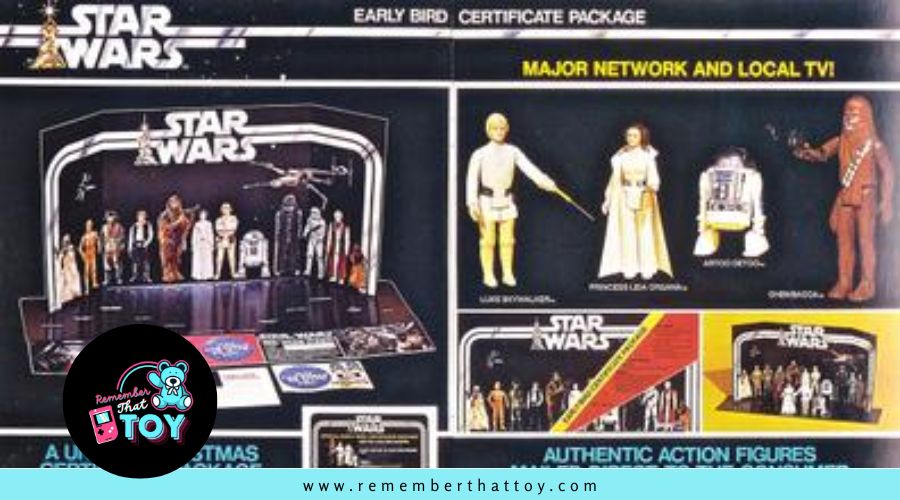
Star Wars action figures have left an indelible mark on popular culture, influencing not just the toy industry but also generations of fans and collectors. Launched by Kenner in 1977, these figures became a cultural phenomenon, selling over 300 million units and setting a new standard for collectible action figures. Kenner’s innovative marketing strategies, such as the Early Bird Certificate promotion, generated excitement and allowed fans to pre-order their favorite characters, enhancing the collector culture that thrives today.
The diverse array of iconic characters, from Boba Fett to Yoda, contributed to the figures’ widespread appeal, establishing a passionate community of collectors. Consequently, rare Star Wars action figures often command high market values, underscoring their significance in both toy collecting and pop culture.
Conclusion
Kenner's groundbreaking approach to toy licensing, coupled with the iconic designs and character variations, helped establish Star Wars action figures as a cornerstone of the collectible market. Their influence on pop culture remains undeniable, inspiring generations of enthusiasts and shaping the future of the toy industry. Today, these figures stand as cherished relics, symbolizing the lasting legacy of the Star Wars universe and the enduring connection between fans and their favorite characters.