Rare Vintage LEGO Sets From the 1960s That Are Hidden Gems
If you're on the hunt for rare vintage LEGO sets from the 1960s, you're in for a treat. Seek out Number Bricks, cherished for their unique charm and scarcity. Uncover the Iconic Kindergarten Set that embodies educational play for little ones. Don't miss classic designs with wooden boxes and printed elements.
Investigate Dacta's educational sets and regional exclusives, like the UK-made LEGO Esso Filling Station. There's much more to reveal about LEGO's fascinating history.
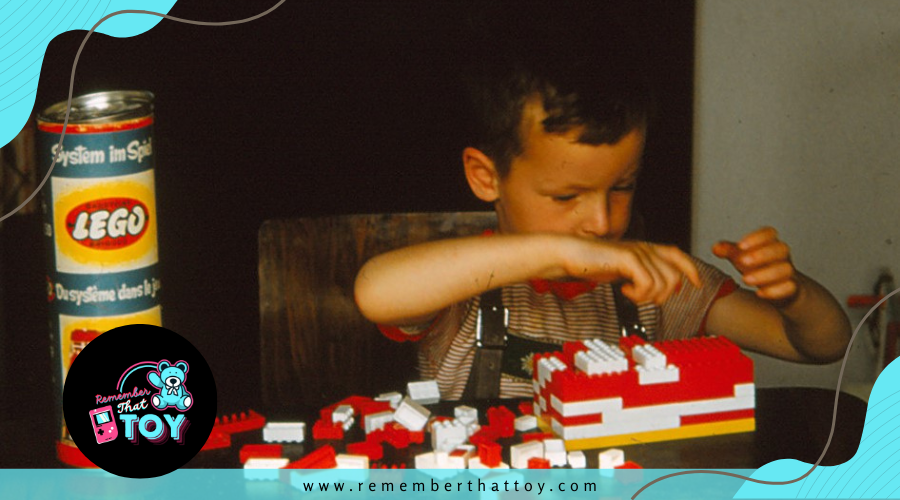
Image: Father of Rathfelder, Lego in 1957, CC BY-SA 4.0
| LEGO Set | Theme | Key Features | Collector Appeal |
|---|---|---|---|
| Number Bricks (237) | Classic | Larger bricks, unique locking mechanism, two-color bricks | Highly collectible due to rarity and early design features |
| Iconic Kindergarten Set | Educational | Large bricks, puzzles, storytelling elements for sensory play | Historical significance and educational value |
| Classic Wooden Box Sets | Classic | Wooden boxes, printed garage doors, HO-scale cars | Nostalgic design and architectural charm |
| Dacta Educational Sets | Dacta | Wooden storage, gears, books, therapy training tools | Focused on creativity and problem-solving in schools |
| LEGO Esso Filling Station | Town (UK Exclusive) | Regionally produced in the UK, fuel station model | Rare regional exclusive, highly valued in collector markets |
Key Takeaways
- Vintage LEGO sets from the 1960s feature larger bricks and unique locking mechanisms.
- The inconsistent numbering system in the 1960s LEGO sets adds intrigue for collectors.
- The LEGO Esso Filling Station is a rare UK-crafted set, popular among collectors.
- The 1960 Kindergarten Set is an educational set that holds historical significance.
- Regional exclusives, like European and Australian sets, enhance the rarity and appeal of 1960s LEGO collections.
237 Number Bricks: A Collector's Treasure
Number Bricks are a collector's gem, embodying the charm and rarity of vintage LEGO sets from the 1960s. As a fan, you appreciate these unique pieces for their historical significance and the nostalgia they evoke. Number bricks were part of a pre-minifigure period, showcasing larger scale bricks and distinct locking mechanisms that differ from today's designs.
They featured early design iterations and rare two-colored bricks, which are no longer in production. For collectors, these components are a tangible link to the past, evoking memories of simpler times when sets were less about the figures and more about creative construction.
The scarcity of complete original sets enhances their market demand, making them a prized possession for any LEGO enthusiast seeking a piece of history. LEGO's inconsistent numbering system adds another layer of intrigue, as it presents a challenge to identify the oldest and rarest sets from that era.
The Iconic Kindergarten Set: A Piece of LEGO History
The Iconic Kindergarten Set stands as a tribute to LEGO's early commitment to educational play. During the 1960s, LEGO introduced sets that helped young children investigate foundational concepts through engaging activities. These sets were tools for early learning, fostering skills in a playful environment.
You'd find these sets packed with lively pieces that encouraged creativity and development. In today's world, LEGO Boost Robotics Kits continue this legacy by blending building and programming, providing children with foundational concepts in robotics and engineering.
Here's why they were special:
- Educational Play: Each set promoted early math, science, and language skills, integrating learning seamlessly into playtime.
- Design and Structure: Larger bricks, like DUPLO, were designed for little hands, making construction easy and fun.
- Key Features: Components such as puzzles and storytelling elements supported sensory play and motor skill development.
These sets are a cornerstone in LEGO's educational legacy. LEGO Education has provided materials for pre-schools since 1980, continuing the tradition of blending play with learning for young children.
Exploring the Classic Sets and Their Unique Appeal
Having celebrated LEGO's early educational legacy with the Iconic Kindergarten Set, let's now uncover what makes the classic sets so distinctly appealing. Classic playsets from the 1960s captivate with their nostalgic designs, offering a glimpse into a simpler time of building. You'd appreciate the unique wooden storage boxes that organized pieces neatly, a sharp contrast to today's packaging.
These sets featured axle bricks for creating functional wheels, while gray base plates provided a foundation for imaginative builds. The box dimensions of one such set were 47 cm wide by 40 cm deep, showcasing the craftsmanship and attention to detail of the era. Printed elements like garage doors added storytelling flair, and HO-scale cars complemented architectural models.
View this post on Instagram
The shift to plastic-only production marked a turning point, as these sets became serious architectural hobbies for many adults. Their rarity and historical charm make them hidden gems in the LEGO world. The patented stud-and-tube design from 1958 further enhanced the connectivity and compatibility of these vintage sets, allowing builders to create more complex and stable structures. As the 1960s unfolded, LEGO took a significant leap in educational innovation with the introduction of the Dacta line. This move marked the Dacta Origins, focusing on creating sets that enriched learning environments. The Educational Impact of these sets was profound, targeting schools and kindergartens and providing tools to improve creativity and problem-solving skills. Kinetic sand, with its moldable properties, has shown similar benefits in enhancing problem-solving skills and spatial awareness in children, drawing parallels to the educational impact of LEGO's Dacta sets. Released in 1985, the Technic II Set (Item No: 1033-1) contained 277 parts and included 20 books, further showcasing LEGO's commitment to educational resources. Consider these features: While exploring the world of rare vintage LEGO sets, you'll uncover fascinating regional exclusives that emerged in Europe and Australia during the 1960s. European Exclusives, like those found in a charming shop in Alkmaar, Netherlands, showcase unique sets not easily found elsewhere. One notable set is the LEGO Esso Filling Station, crafted in the UK but sold across Denmark, adding to its allure as a regional rarity. Meanwhile, Australian Imports highlight how European sets made their way Down Under, broadening their reach and desirability. Although direct Australian-specific sets from the 1960s aren't widely documented, the presence of these European gems in Australian markets underscores the global spread and appeal of LEGO during this transformative period. Vintage LEGO collecting offers insight into the brand's history, enriching the overall collecting experience and making these regional rarities even more prized. Exploring the evolution of LEGO box art and design in the 1960s reveals a fascinating shift in visual presentation and branding strategy. You'll notice how LEGO utilized box art typography and logo evolution to create a distinct identity. During this decade, LEGO introduced several changes: You've got to contemplate how the 1960 fire had a profound impact on LEGO's production decisions. It pushed LEGO to abandon wooden toys and fully adopt plastic, marking a crucial shift in their strategy. The fire's impact led to production changes, focusing solely on the plastic "System in Play" concept. This change wasn't just about survival but setting the stage for innovation, allowing LEGO to thrive in a competitive toy market. When you're comparing classic themes and dacta themes, you'll notice classic themes focus on play and creativity with sets like Town, Castle, and Space. They evolved with simpler designs and lacked specific storylines. In contrast, dacta themes are educational, aimed at teaching and learning. Classic themes prioritize free play, while dacta themes emphasize structured educational experiences. Even though dacta isn't as documented, its focus is clear: education over play. When you consider why vintage LEGO sets appreciate, think about the collector demand and nostalgia factor. As supply decreases, demand from collectors skyrockets, driving up prices. Nostalgia plays a big role, as people often seek sets from their childhood, sparking emotional connections. Furthermore, older sets have unique designs and themes that are no longer produced, contributing to their allure and value. Collectors cherish these timeless pieces, making them highly sought after. You're curious about the materials in early LEGO bricks, right? Initially, LEGO used Cellulose Acetate (CA) known for its lively early LEGO colors but prone to warping. They also experimented with Bakelite and High Impact Polystyrene (HIPS), though these had their issues too. By the 1960s, LEGO manufacturing techniques shifted to ABS, providing strength and better color consistency. This shift improved durability, paving the way for today's reliable LEGO bricks. You're curious about how LEGO sets evolved from wood to plastic, right? The change was sparked by a 1960 fire that destroyed wooden stock, leading LEGO to adopt plastic innovations. They experimented with plastic for its durability and heat resistance. Manufacturing evolution included adopting ABS plastic in 1963, which improved longevity and chemical resistance. The patented interlocking design solidified plastic's role, marking a crucial shift in LEGO's production and play experience.The Rise of Dacta: Educational LEGO Sets of the 1960s
Regional Rarities: European and Australian Exclusives
The Evolution of LEGO Box Art and Design in the 1960s
Frequently Asked Questions
How Did the 1960 Fire Impact Lego's Production Decisions?
What Are the Differences Between Classic and Dacta Themes?
Why Do Vintage LEGO Sets Appreciate in Value Over Time?
What Materials Were Used in Early LEGO Bricks?
How Did LEGO Sets Transition From Wooden to Plastic Components?