Radio-Controlled Car: The 1960s Toy That Brought Racing to Life
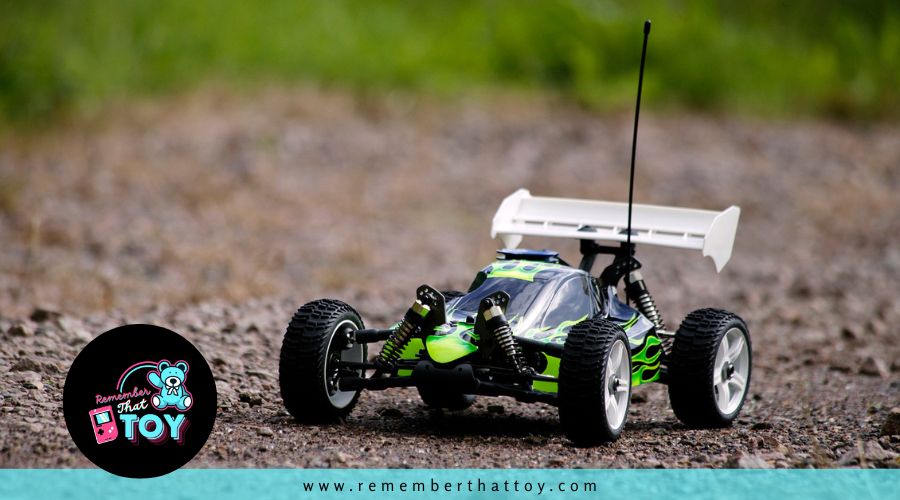
Radio-controlled cars have evolved significantly since their inception in the 1950s, marking a revolution in hobbyist technology. The 1960s were a pivotal decade, showcasing remarkable advancements that expanded their appeal to enthusiasts. In 1964, Ken Balz created an electric RC car by combining a plastic model kit with a radio transmitter, captivating hobbyists. Meanwhile, Bill Johnson pushed the boundaries of performance and design with his 1:12 scale internal combustion RC car.
In 1965, Chuck Eckles' radio-controlled Jaguar E-Type highlighted advancements in RC technology, utilizing an internal combustion engine to demonstrate potential for speed and handling. The late 1960s saw the introduction of miniaturized solid-state radio control systems, greatly improving maneuverability and control. By the early 1970s, 1/8 scale nitro-powered cars gained popularity, establishing a vibrant racing culture within the RC community. This period not only introduced groundbreaking scaling techniques but also laid the foundation for the diverse world of radio-controlled vehicles we enjoy today.
Types of RC Cars
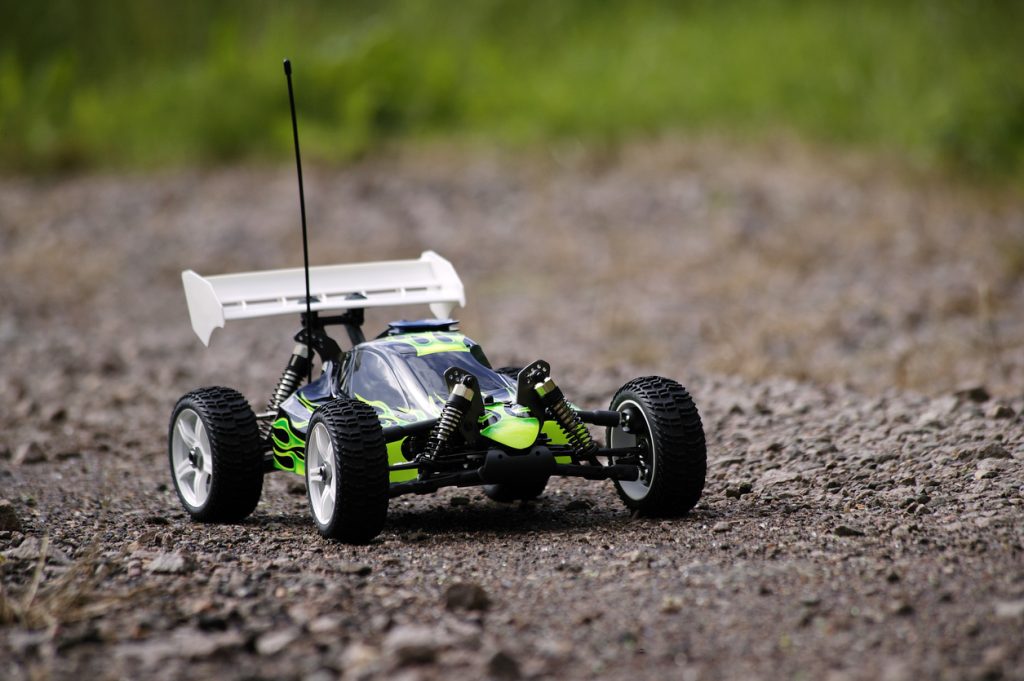
Understanding the different types of RC cars is crucial for selecting the right model that matches your racing style and terrain preferences. The three main categories are on-road, off-road, and rally cars. On-road RC cars excel on smooth surfaces, offering limited suspension for enhanced speed and stability. For rougher terrains, off-road models are ideal, featuring robust suspensions designed to absorb bumps and navigate diverse landscapes.
When it comes to power sources, electric RC cars are a popular choice due to their ease of use and rechargeable batteries, making them perfect for beginners and casual racers. For hands-on enthusiasts, kit models are available, allowing you to build and customize your RC car from individual parts. This option provides a rewarding experience and the opportunity to enhance performance with aftermarket components.
Power Sources and Features
Electric and nitro-powered RC cars each offer distinct advantages tailored to different preferences and skill levels. For those seeking convenience and ease of use, electric on-road car models are ideal. These cars run on rechargeable batteries such as Ni-Cd, NiMH, or LiPo, making them easy to maintain and upgrade. Additionally, brushless motors in electric models provide greater efficiency and lasting power.
Conversely, if speed and raw power are your priorities, nitro-powered options are the way to go. These remote-controlled cars use glow plug engines fueled by a nitromethane blend, delivering impressive speeds—some reaching up to 29 mph! However, they require more upkeep due to the mechanical wear associated with nitro fuel.
Here's a quick comparison of features:
- Power Source: Electric models use batteries, while nitro models rely on fuel.
- Maintenance: Electric cars require less maintenance compared to nitro-powered models.
- Performance: Nitro models typically achieve higher speeds, particularly in off-road variants with robust suspensions.
Choose wisely based on your racing style and level of commitment!
Safety and Maintenance Practices
Proper safety and maintenance practices are essential for maintaining your RC car's performance and ensuring a safe experience. Whether you have a nitro model or an electric RC car, following recommended protocols can significantly reduce risks.
Nitro Models
- Fuel Handling: Always use gloves and goggles when handling nitro fuel to avoid health hazards such as ingestion risks and exposure to harmful substances.
- Regular Maintenance: Essential tasks include cleaning the air filter, replacing clutch parts, and performing after-run lubrication to keep the car running smoothly.
Electric RC Cars
- Battery Care: LiPo batteries require careful storage and handling. Overcharging or damaging these batteries can lead to fires or explosions, so always store them in fireproof bags.
- Regular Maintenance: Check connections regularly to ensure optimal performance.
- Performance Checks: Regularly inspect battery health to avoid potential issues.
Safety Gear
- Nitro Models: Use appropriate protective equipment including gloves and goggles.
- Electric RC Cars: Minimal safety gear is needed, but ensure basic precautions are followed.
Quick Reference Table
| Task | Nitro Models | Electric RC Cars |
|---|---|---|
| Fuel Handling | Use gloves and goggles | N/A |
| Regular Maintenance | Clean filters regularly | Check connections |
| Battery Care | N/A | Store in fireproof bags |
| Performance Checks | After-run lubrication | Inspect battery health |
| Safety Gear | Protective equipment needed | Minimal gear needed |
Evolution of RC Technology
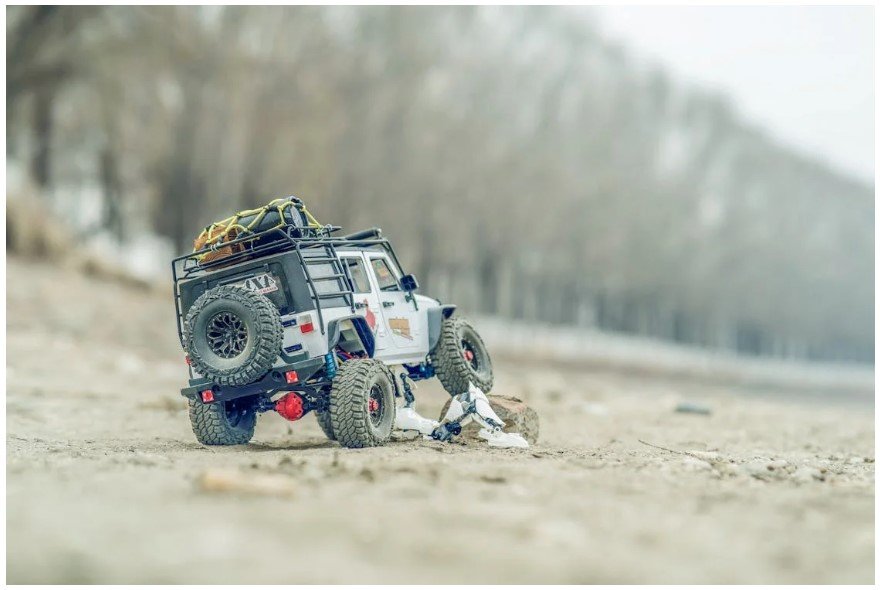
The evolution of RC technology, transitioning from tethered controls to advanced radio systems, revolutionized how enthusiasts engage with their miniature vehicles. This shift significantly enhanced maneuverability and laid the foundation for a flourishing hobby.
Key advancements in the late 1960s include:
- Miniaturized Radio Control Systems: These compact designs enabled the production of smaller, more agile remote control cars.
- Servo-Controlled Steering: This innovation enhanced precision and responsiveness, offering greater control during races.
- Commercially Viable Models: The introduction of cars like Wen-Mac's 1966 Mustang demonstrated the potential of remote control cars, featuring advanced throttle systems and paving the way for future developments.
The introduction of 27MHz channels allowed multiple RC cars to operate simultaneously, fostering competitive racing environments. Additionally, the focus on off-road class vehicles emerged, enabling enthusiasts to enjoy racing on rugged terrains. These advancements collectively ushered in a new era of excitement and engagement within the RC community, ensuring the hobby's continued growth and evolution.
Market Growth and Trends
The surge of interest in radio-controlled (R/C) cars among hobbyists in the 1960s revolutionized the market. Technological advancements and heightened competition among manufacturers marked a significant shift from traditional slot cars to R/C cars. These developments made R/C cars more accessible and thrilling for enthusiasts.
Three trends defined this rising popularity:
- Technological Advancements: Enhanced radio control technologies improved maneuverability, making R/C cars more enjoyable to drive.
- Diverse Offerings: Companies like Tamiya introduced detailed electric on-road models that attracted both beginners and seasoned hobbyists. Meanwhile, brands like Mardave offered nitro-powered models for speed enthusiasts.
- Customization Opportunities: The rise of aftermarket parts allowed enthusiasts to personalize their R/C cars, creating unique racing experiences tailored to individual preferences.
As the community of hobbyists grew, there was a growing interest in off-road capabilities, pushing the boundaries of what these vehicles could achieve.
Key Manufacturers in the 1960s
The 1960s saw key manufacturers like El-Gi, Mardave, and Associated Electrics shaping the remote control car market with groundbreaking designs and technologies. These companies laid the foundation for the RC vehicle industry.
- El-Gi: In 1966, they launched the first commercially viable remote control car, a 1:12 scale Ferrari 250LM, capturing the imagination of enthusiasts.
- Mardave: By 1968, this British company introduced nitro-powered models, spurring interest and expanding the market for RC cars.
- Associated Electrics: Transitioning from slot cars, they began producing RC vehicles in the 1960s, driving innovation and broadening the appeal of remote-controlled racing.
Though Tamiya didn't enter the scene until the mid-1970s with their electric models and off-road buggies, the groundwork laid by these early manufacturers was essential. They not only improved the technology behind RC vehicles but also paved the way for future developments. The 1960s marked a significant evolution in toy racing, making it more accessible and exciting for hobbyists everywhere.
Impact on Hobby Culture
Radio-controlled cars from the 1960s transformed casual play into a vibrant hobby, uniting enthusiasts passionate about customization and competition. As you delve into the world of R/C cars, you'll discover how this toy evolved into a dedicated community. Advances in technology and design allowed you to modify your vehicles, making them uniquely your own.
Racing transcended mere pastime status, becoming a competitive activity that attracted both participants and spectators. Organized racing events and clubs provided platforms for connection and shared excitement. Whether you preferred on-road racing or off-road adventures, the variety of R/C models available catered to every interest, enhancing the hobby experience.
The rise of aftermarket parts and accessories further enabled customization, allowing you to boost performance and showcase your unique style. This growing hobby culture not only enriched your enjoyment but also fostered friendships and collaboration among enthusiasts. Engaging with R/C cars has significantly impacted hobby culture, creating a dynamic and exciting community.

Modern Developments in RC Racing
Modern RC racing has evolved significantly, integrating advanced technology to enhance speed, efficiency, and overall performance. These innovations elevate your track experience.
Here are three key advancements in modern RC racing:
- Brushless Motors: These motors provide higher efficiency and speed compared to traditional brushed motors, allowing cars to achieve speeds up to 29 mph.
- LiPo Batteries: Lithium polymer (LiPo) batteries have revolutionized racing with their higher energy density, offering longer run times and faster acceleration, giving racers a competitive edge.
- Adjustable Suspension Systems: Contemporary on-road models feature adjustable suspension systems, enabling precise tuning for various track conditions, thereby significantly improving handling.
Moreover, Ready-to-Run (RTR) models are gaining popularity, making the sport more accessible by requiring minimal assembly, allowing even beginners to start racing quickly. The thriving aftermarket parts industry also offers numerous customization and upgrade options for enhancing both performance and aesthetics. Embrace these modern developments to elevate your RC racing experience!
Conclusion
The 1960s transformed radio-controlled cars, transforming them from simple toys into thrilling racing machines. Innovators of the era ignited a passion for speed and competition, fostering a vibrant hobby culture that endures to this day. As technology advanced, so did the excitement around RC racing, laying the groundwork for modern innovations.
Related posts