Popular Board Games: Top Picks for Every Age Group
Classic board games like Chess and Checkers have remained favorites worldwide for generations. Their universal appeal is so strong that they’re often sold together, sharing a common board. A notable surge in interest for Chess occurred in 2020 following the debut of The Queen’s Gambit miniseries on Netflix, which led to a dramatic increase in sales.
Among modern board games, Monopoly and Scrabble stand out with remarkable popularity. Monopoly, with over 275 million copies sold by 2015 and featuring more than 2,000 editions, dominates a significant portion of both the global and US markets. Scrabble follows with over 150 million copies sold worldwide and approximately 4,000 clubs dedicated to it.
A board game achieving sales of around 10,000 copies is deemed a success in the industry, while selling 100,000 copies classifies it as an overwhelming success. The most valuable board game edition ever is The Jewel Royale Chess Set, valued at $9.80 million in 2005.
Classic Board Games
Classic board games have captivated players for centuries with their strategic depth and enduring appeal. These games remain popular and can be found in homes worldwide.
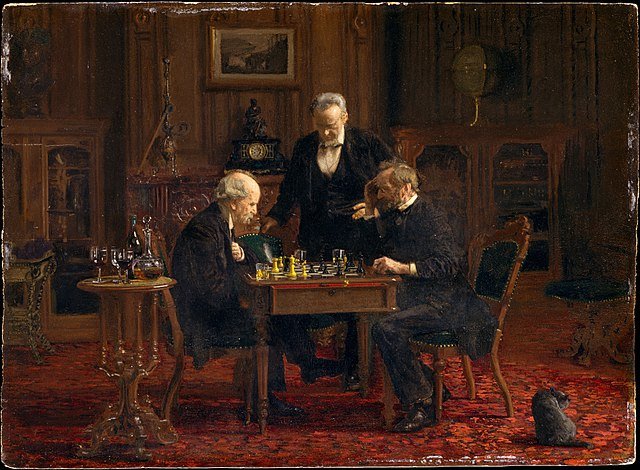
Among the most time-honored titles, Chess stands out as a paragon of strategy. Originating around 1475, Chess has cemented its place as possibly the best-selling classic game. Each year, millions of sets are sold in the US alone. Another staple, Checkers, has been a beloved game since 1535, often sold in combination with Chess due to their shared 8×8 board.
Backgammon, dating back to 1646, is another two-player game known for its tactical depth. Mancala, one of the oldest games, has engaged players since 700, while Go, originating around 500 BC, offers a profound intellectual challenge.
Other noteworthy games include Clue, Risk, Monopoly, Settlers of Catan, and Ticket to Ride. Games like Twilight Struggle and Cosmic Encounter continue to draw enthusiasts with their intricate strategy and tactical combat elements.
Modern Board Games
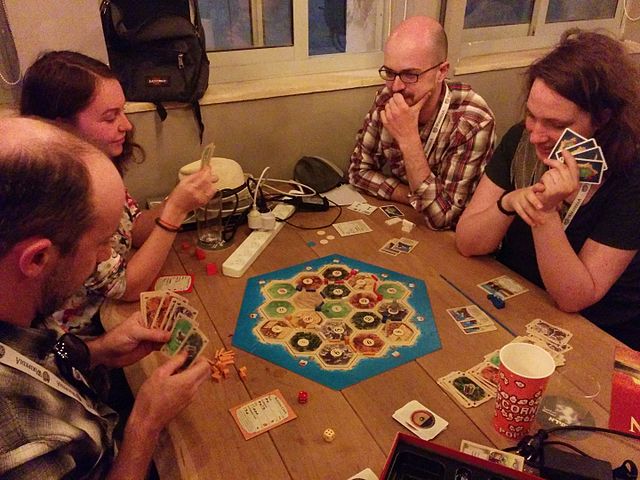
Advancements in manufacturing have significantly contributed to the rise of modern board games, making them more accessible to a broader audience. These games offer numerous social and mental benefits, encouraging players to engage despite potentially high costs.
Wingspan stands out as a splendid example of a strategy game that involves collecting birds, each with unique abilities, to build the most diverse and efficient habitats. This game appeals to nature enthusiasts and strategic thinkers alike.
Codenames is a popular party game where players split into teams and try to guess words based on a single-word clue provided by their spymaster. It is perfect for large groups and encourages creative thinking and teamwork.
For those who love epic adventures, Gloomhaven offers a deep narrative experience. In this game, players role-play as various characters exploring dungeons and fighting monsters, all while evolving through different storylines and scenarios.
Pandemic Legacy provides a unique twist on traditional board games. It’s a cooperative game where players work together to prevent global pandemics. Its legacy format means that the game evolves over time, with each session changing the game’s state permanently.
Coup is a bluffing game set in a dystopian universe where players must use deception to eliminate their opponents and become the last one standing. Its simple rules and quick playtime make it a favorite for casual gatherings.
View this post on Instagram
Azul, known for its stunning tiles and straightforward gameplay, requires players to craft the most beautiful mosaic. The game's aesthetic and strategic depth have made it a beloved choice among modern board games. Scythe combines resource management and tactical combat set in an alternate-history 1920s Europe. Players control different factions aiming for dominance through economic, military, and strategic means. Blood Rage takes players into Norse mythology where they lead a Viking clan to glory. It combines drafting, miniatures, and area control to create an engaging and competitive atmosphere. Frosthaven, the sequel to Gloomhaven, expands on its predecessor with new characters, stories, and challenges. It continues the tradition of providing a rich and immersive tabletop RPG experience. Deck-building games like Magic: The Gathering allow players to construct personalized decks of cards to battle against others. This genre has grown massively due to the strategic depth and personalization it offers. In the realm of worker placement games, Agricola is a classic where players manage a farm, expanding and improving it over several rounds. The game’s depth and variety have kept it popular for years. Patchwork is a two-player game focused on creating the most aesthetically pleasing quilt. It requires careful planning and resource management, making it a hit among casual and serious gamers alike. Dune: Imperium merges deck-building and worker placement in a game set in the renowned Dune universe. Players vie for control on the desert planet, balancing military might with political intrigue. Wavelength is a unique party game where teams must guess the position of a hidden target on a spectrum. It challenges players’ abilities to understand and communicate abstract concepts. Betrayal at House on the Hill is a horror-themed game where players explore a haunted mansion. At some point, one player turns traitor, creating a dynamic of trust and deception that shifts with each game. Increasing numbers of legacy games like My Father’s Work continue to innovate by providing ongoing stories and evolving gameplay. Each session leaves a lasting impact, making every game unique and memorable. The listed ranks show that certain games like Chess and Scrabble consistently remain at the top. Chess, in particular, is the top favorite every year, reflecting its universal appeal. Meanwhile, Monopoly and Checkers occupy the middle ranks, indicating their sustained popularity despite facing stiff competition. Modern games like Catan and Risk find their place further down the list, showing the diversity in player preferences. Popularity and value don’t always align perfectly, yet Chess demonstrates its leadership in both fields, displaying significant growth over the years. Scrabble also maintains high value, though it sees more variation year-to-year. Traditional favorites like Monopoly, Checkers, and Backgammon follow suit but at lower values, reflecting a steadier, though less dramatic, appreciation. Generational preferences offer insights into how board games appeal to different age groups. Younger generations, including Gen Z and Millennials, predominantly find these games to be highly enjoyable. Among Baby Boomers, there's a slightly increased likelihood of finding board games less enjoyable. Despite differing opinions, all age groups engage in these family games, helping to foster relationships and competition in social settings. The information highlights the evolving popularity of board games across different rankings, values, and generations, demonstrating their enduring appeal in various aspects. Board games are typically designed for 2 or more players and often include elements like a board, cards, and dice. The complexity of these games can range from very simple with minimal rules to extremely complex with large rulebooks. Many board games also feature a theme, which can attract fans with specific interests. While board games are generally competitive, the level of competition can vary based on the players and the context of the game. Originally intended for casual play, some board games now host official competitions where participants can win cash or other prizes. Board games have a rich history that starts in ancient times. The oldest known board game, Senet, dates back to 3500 BC and was enjoyed in predynastic Egypt. Over the centuries, board games were created and adapted by many cultures. These classic games tend to fall into distinct categories: Throughout history, including the Industrial Revolution, board games evolved into the diverse pastime enjoyed by many today. Early board games often had ceremonial or religious uses or taught life lessons. These games were easy to understand and designed to be enjoyable. As time went on, these games traveled to different civilizations and became a popular hobby among various groups. With the invention of the printing press, board games became widely accessible. This led to more complex and diverse games. They became not just a source of fun but also a way to educate and improve problem-solving and strategic thinking skills. In recent years, technology has significantly impacted board games. Digital versions and hybrid games that combine physical and digital elements have emerged. These new formats appeal to younger players and are creating new opportunities for the board game industry. These developments show the broad transformation of board games from simple, educational tools to complex, multi-format entertainment enjoyed by many.Growing Popularity of Board Games
Leading By Rank
Board Game 2019 2020 2021 2022 2023 Average (Period) Chess 1 1 1 1 1 1 Scrabble 2 2 2 2 2 2 Monopoly 3 3 3 4 3 3 Checkers 4 4 4 3 4 4 Backgammon 5 5 5 5 5 5 Catan 6 6 6 6 6 6 Risk 7 7 7 7 7 7 Pictionary 9 8 8 8 8 8 Battleship 8 9 9 9 9 9 Trivial Pursuit 10 10 10 10 9 10 
Ranked by Value
Board Game 2019 2020 2021 2022 2023 Average (Period) Chess 41.43 47.79 49.52 53.19 70.04 52.59 Scrabble 26.92 34.35 27.52 23.52 21.58 26.76 Monopoly 10.41 11.37 9.83 7.17 9.36 9.62 Checkers 6.75 7.24 7.34 7.85 7.54 7.35 Backgammon 3.05 3.86 3.34 3.45 3.82 3.51 Catan 1.76 2.53 1.84 1.87 2.03 2.01 Risk 1.11 1.33 1.13 1.08 0.84 1.10 Pictionary 0.85 1.29 0.99 0.87 0.81 0.96 Battleship 0.93 1.09 0.63 0.57 0.42 0.72 Trivial Pursuit 0.56 0.78 0.56 0.49 0.42 0.56 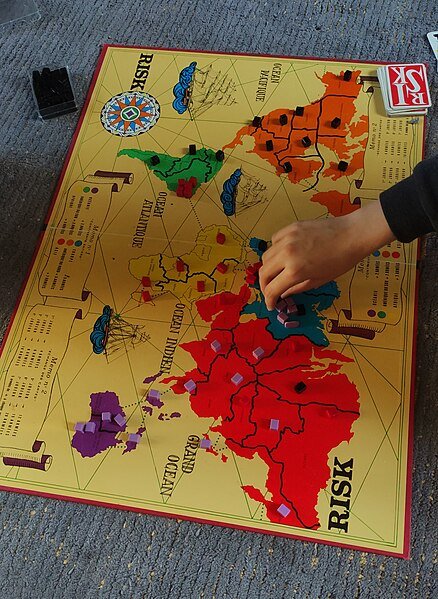
Preferred by Generation
Opinion Gen Z Millennials Gen X Baby Boomers Very enjoyable 38% 38% 34% 31% Somewhat enjoyable 44% 41% 44% 47% Not very enjoyable 2% 11% 12% 12% Not at all enjoyable 3% 4% 7% 8% What are board games?
When Board Games Were Invented
How Board Games Have Changed Over Time