Popular 1950s Toys That Defined an Era of Classic Play
Step back into the 1950s—a time when play was hands-on, imaginative, and built to last. Long before screens and digital games, kids found joy in simple yet unforgettable toys that sparked creativity and shaped childhood memories. From wind-up robots to iconic board games, the toys of this era weren’t just pastimes—they were cultural milestones.
In this article, we’ll revisit the most popular 1950s toys that defined classic play and left a lasting impression on generations to come.
Key Takeaways
- LEGO Bricks gained popularity with their stud-and-tube coupling system, fostering creative construction play.
- Erector Sets offered mechanical creativity with metal beams and motors, reflecting architectural advancements.
- Play-Doh, initially a wallpaper cleaner, became a sculpting staple for children with vibrant colors.
- Barbie debuted in 1959, breaking gender norms with diverse careers and fashion-forward designs.
- Tonka Trucks, made from durable steel, mirrored real construction vehicles and enhanced imaginative play.
The Rise of LEGO Bricks
Although LEGO is now a household name, its rise began in the 1950s with significant innovations and strategic leadership. You'd be amazed at how LEGO innovations transformed play with the introduction of the stud-and-tube coupling system in 1958. This clever design allowed bricks to interlock securely, transforming creativity and construction possibilities.
Furthermore, the 1955 launch of the Town Plan set laid the groundwork for what LEGO would become: a versatile system of play. By the late 1970s, LEGO expanded into themed sets, starting with the Space theme, which introduced immersive worlds for creative play.
Lego expands to other countries like Sweden, Norway, and Germany, which laid the foundation for its global presence. LEGO marketing was similarly visionary, with strategies that included engaging children through competitions and international expansion.
By targeting markets in Sweden, Norway, and Germany, LEGO laid the foundation for its global presence. This blend of innovation and marketing set the stage for LEGO's enduring success.
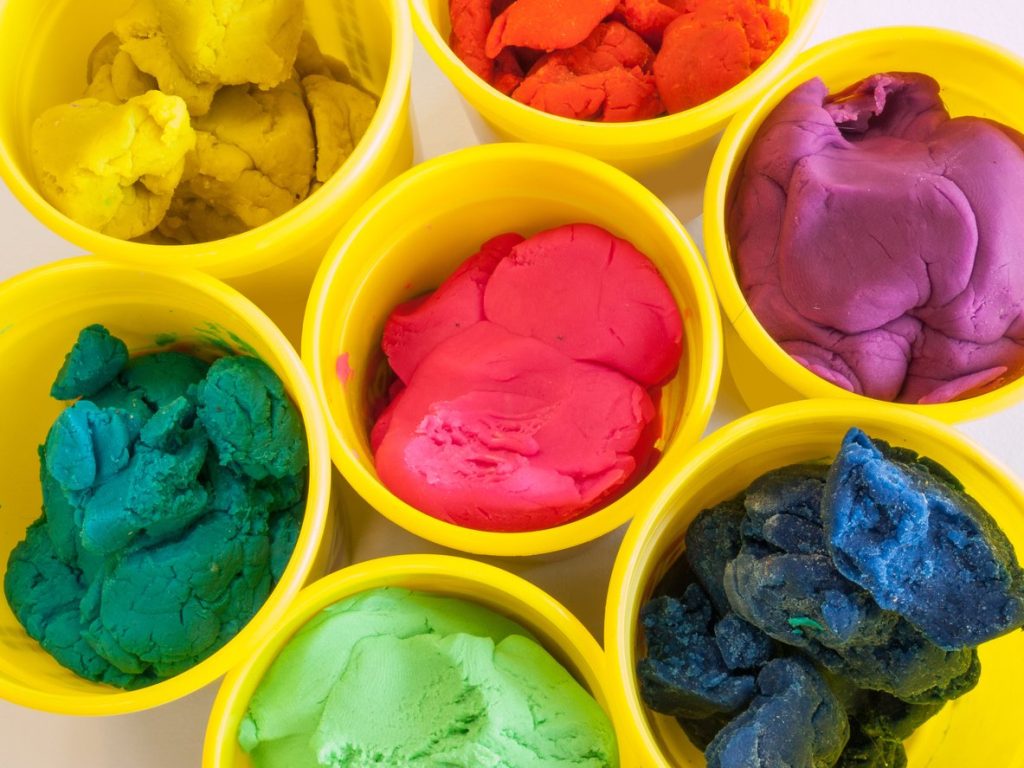
Play-Doh transformed from a humble wallpaper cleaner to a vehicle for artistic expression. Originally created by Kutol Products, it was reimagined by teacher Kay Zufall when she noticed kids preferred it over traditional clay. Launched in 1956, Play-Doh became a sensory experience with its unique texture and almond scent, enchanting young imaginations.
Initially marketed to schools, its popularity exploded thanks to TV promotions like "Captain Kangaroo". The lively colors—red, yellow, and blue—invited endless creativity. Its resilience and adaptability made it a household name, encouraging sculpting and imaginative play.
By 2005, Play-Doh had been distributed in 75 countries, amplifying its global presence and solidifying its status as a childhood staple. Today, Play-Doh remains an iconic tool for creativity and learning. Unique mechanical toys like Little Orbie and plastic birds with suction-cupped feet captured the imaginations of children in the 1950s, adding to the era's rich tapestry of innovative playthings.
The Stretchy Magic of Silly Putty
Silly Putty, a playful marvel of the 1950s, emerged from the depths of wartime innovation. During WWII, James Wright stumbled upon this unique compound while researching synthetic rubber at General Electric. Though it failed as a rubber substitute, its fascinating properties caught the public's imagination.
Made from silicone oil and boric acid, this viscoelastic polymer offered endless creative uses. You could stretch it, bounce it, or use it to copy newspaper comics. Silly Putty was inducted into the National Toy Hall of Fame on May 28, 2001, recognizing its enduring impact and popularity.
In 1950, Peter Hodgson cleverly marketed Silly Putty in egg-shaped packages, initially targeting adults. However, after a "New Yorker" article catapulted it to fame, selling 250,000 units in three days, it soon became a staple in children's toy chests. Silly Putty's history reflects a period of unexpected creativity and fun. Its unique packaging contributed to its seasonal popularity, especially during Easter.
Erector Sets and Mechanical Imagination
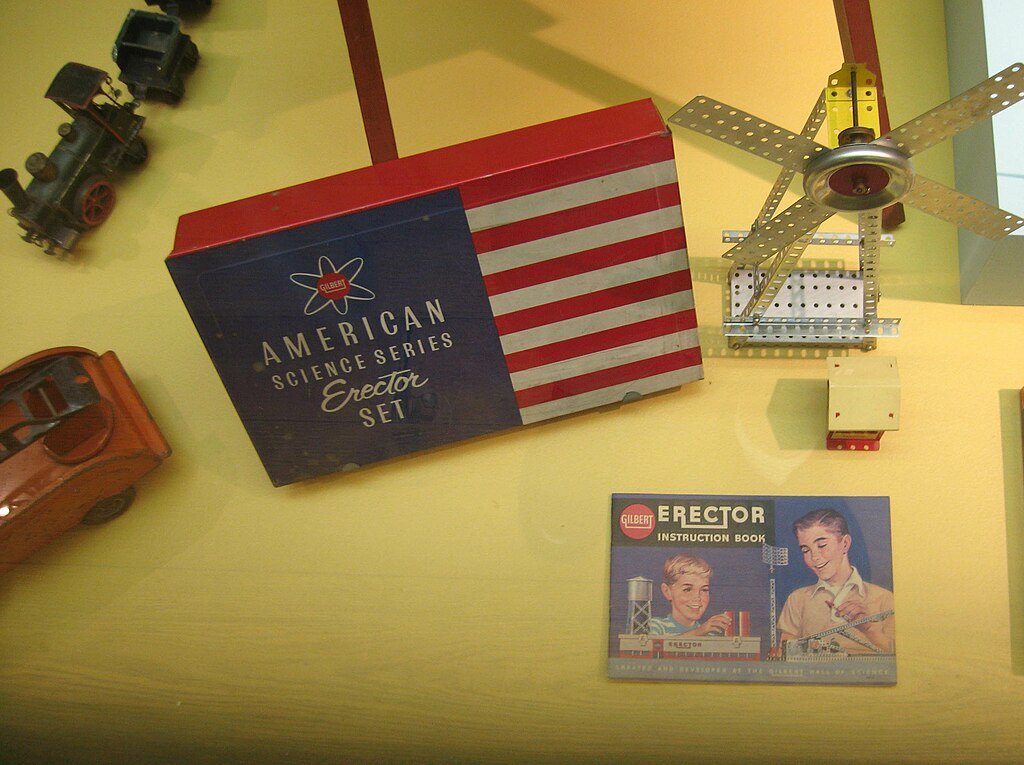
Erector Sets, a tribute to mechanical imagination, transformed playtime by sparking an engineering curiosity in young minds. Developed by A.C. Gilbert in 1913, these sets were tools for mechanical creativity and engineering exploration. You could build anything from simple structures to complex models like NYC Taxi Cabs or Ferris wheels, reflecting the period's architectural advancements.
Each set included metal beams, gears, pulleys, and even motors, setting the stage for electromechanical builds. Inspired by steel girders, mirroring infrastructure development. Gilbert, a prolific inventor, credited with over 150 patents, aimed to combine fun with educational value, which is reflected in these innovative construction sets.
Erector Sets were prominently featured in major publications, helping them to maintain a lasting presence in American toy culture. Featured realistic models, like NYC Taxi Cabs, showcasing urban growth. Premium sets were educational investments, priced at a week's wages. Used by researchers to prototype innovations like artificial hearts.
Barbie: A Fashion Icon's Debut
View this post on Instagram
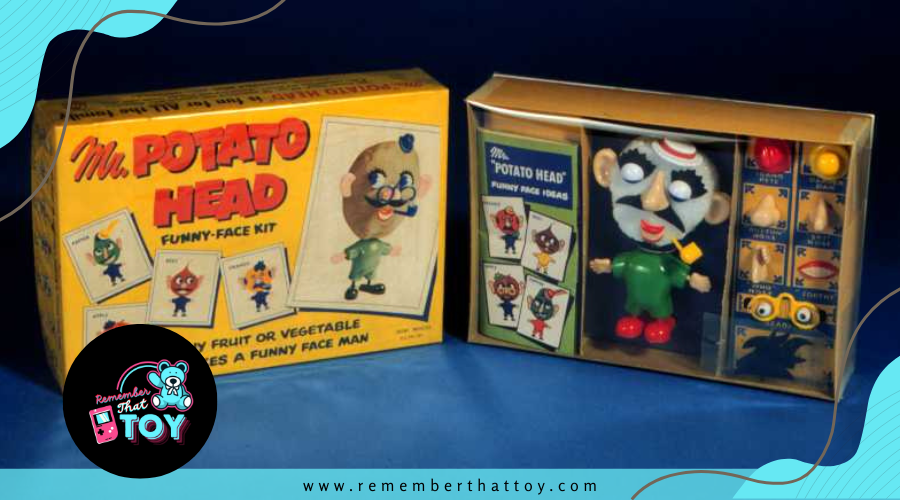
As the period of mechanical imagination flourished with Erector Sets, the world of fashion and style was about to be transformed by Barbie's debut. Created by Ruth Handler, Barbie was inspired by her daughter Barbara's love for adult dolls. Barbie's evolution began with her launch in 1959, wearing a black-and-white striped swimsuit, embodying 1950s glamour. Her cultural impact was immediate, shifting toy industry norms from nurturing to imaginative careers. In 1965, Astronaut Barbie was introduced, celebrating space exploration and further expanding the possibilities for girls' futures. With over 180 careers, Barbie has continually broken gender barriers and encouraged exploration in traditionally male-dominated fields. In 1949, George Lerner's inventive spirit gave birth to Mr. Potato Head, transforming a simple spud into a canvas for endless creativity. Initially, you would use actual fruits or vegetables, but concerns about post-war food waste meant toy companies were hesitant. Lerner cleverly distributed the parts in cereal boxes before Hasbro acquired the rights in 1951. Mr. Potato Head not only sparked potato creativity but also changed the landscape of toy marketing with the pioneering TV ad targeting kids. This iconic marketing strategy led to over a million sales in the initial year. In response to new government regulations in the 1960s and 1970s, Hasbro redesigned the toy with safer plastic pieces, ensuring its continued appeal in the market. The toy was inducted into the National Toy Hall of Fame in 2000, solidifying its classic status and legacy. While Mr. Potato Head transformed character-based play, Tonka trucks took construction play to new heights in the 1950s. Thanks to the post-WWII economic boom, families had more disposable income, and Tonka trucks became a household staple. These durable toys, made from thick-gauge automotive steel, stood out for their sturdiness and functional details. Many vintage Tonka trucks are highly sought after by collectors today, showcasing the enduring appeal of these classic toys. With features like tilting dump beds and rotating cranes, Tonka trucks mirrored real construction vehicles, sparking your imagination and engineering skills. The Tonka Steam Shovel prototype, acquired by the founders in the late 1940s, was pivotal in shaping the brand's legacy and led to the creation of the first Tonka toy in 1947. You're curious about what materials Lincoln Logs were originally made from. They used redwood for their wooden construction. These classic toys, inspired by Frank Lloyd Wright's architectural designs, featured notched logs for easy interlocking. The original sets were entirely wooden, emphasizing natural materials. Though they switched to plastic in the 1970s, they eventually returned to real wood, maintaining their nostalgic appeal. Lincoln Logs remain a beloved staple in the world of classic toys. You've probably wondered how Chatty Cathy dolls worked their talking mechanism. Pull the string, and a metal coil unwinds, driving a rubber belt that spins a phonograph record. This process plays random phrases, offering an interactive experience with vintage toys. Despite their durability, the rubber belts often needed replacing. Collectors today still cherish these dolls, repairing them to preserve that nostalgic charm of hearing "I love you" in that toddler-like voice. When you're exploring Revlon doll outfits, you'll find a variety of popular accessories that complete the stylish ensembles. These include faux pearl necklaces, rabbit fur stoles, and strapless lace dresses with petticoats. Don't forget the molded plastic shoes in bright colors and floral headbands for those bridal themes. Revlon playsets often featured these accessories, along with pumps and faux fur wraps, creating a glamorous look for your Revlon fashion dolls. When you're controlling Rock 'Em Sock 'Em Robots, you're engaging in player interaction through unique game mechanics. You use paired joysticks with plunger buttons. Moving the joystick positions your robot, while pressing the plunger triggers punches. The objective is to knock your opponent's robot's head up by combining strategic movement and precise punching. Each action requires coordination, making the game dynamic and challenging, enhancing the comprehensive experience and fun. You see the evolution of fashion dolls inspired by cultural influences from the 1950s, where adult sophistication began to captivate young imaginations. Designers shifted focus from baby dolls to high heel fashion dolls, embracing style and aspiration. They used durable materials like rubber and vinyl, highlighting adult features and trendy footwear. This change mirrored societal shifts towards consumerism and post-war prosperity, making dolls a reflection of adult elegance and fashion-forward trends.Mr. Potato Head: A Game-Changing Character
Tonka Trucks and the Joy of Construction
Frequently Asked Questions
What Materials Were Lincoln Logs Originally Made From?
How Did Chatty Cathy Dolls Operate Their Talking Mechanism?
What Were the Popular Accessories for Revlon Fashion Dolls?
How Were Rock 'Em Sock 'Em Robots Controlled by Players?
What Inspired the Design of Early High Heel Fashion Dolls?