Pop-Up Books: How 1930s Creativity Brought Stories to Life
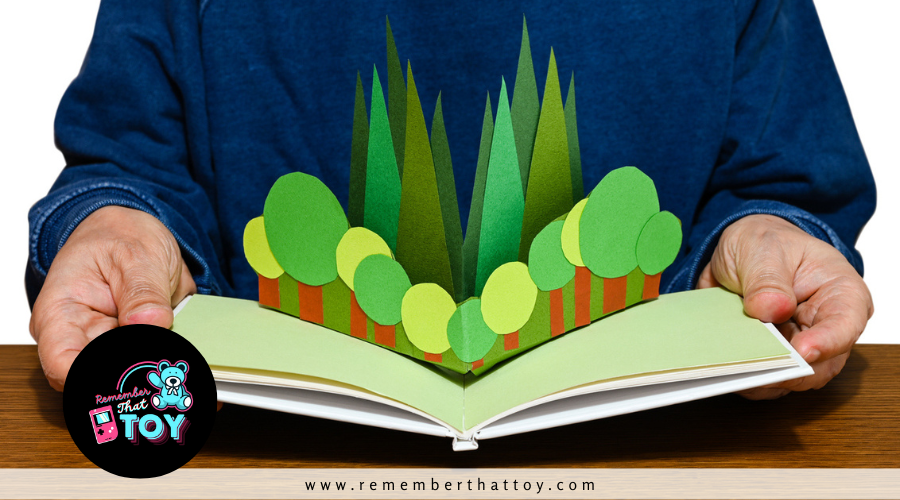
Pop-up books revolutionized storytelling in the 1930s with their innovative designs and interactive elements, thanks to pioneers like S. Louis Giraud and Thomas Brown. These creators transformed flat illustrations into captivating 3D experiences that engaged young readers in new ways. This blend of creativity and engineering not only entertained but also set a new standard for storytelling. What sparked this shift, and how did these early innovators shape today's narrative techniques?
Historical Origins of Pop-Up Books
The origins of pop-up books are both intriguing and historically rich, dating back to the early 13th century. One of the earliest known examples is Matthew Paris's Chronica Majora, which incorporated movable elements to enhance the educational experience. Similarly, Ramon Llull's Ars Magna Generalis employed folding structures to elucidate complex philosophical concepts, showcasing the innovative use of pop-up designs in academic texts.
The first notable movable children's book, Little Red Riding Hood, was published by Dean & Son in 1855, marking a significant milestone in the history of interactive literature for young readers. This innovation paved the way for the development of storytelling techniques that engaged children through interactive visuals.
The 1930s saw a surge in the popularity of pop-up books, driven by the creative efforts of S. Louis Giraud and Thomas Brown. They pioneered true 3D freestanding designs that captivated both readers and collectors. In 1932, the term 'pop-up' was trademarked by the American publishing house Blue Ribbon Books, cementing its prominence in the literary market. This evolution not only revolutionized storytelling but also advanced the art of paper engineering.
Creative Techniques and Mechanisms
Innovative techniques and mechanisms have transformed pop-up books into captivating experiences that engage readers on multiple levels. Pioneers like S. Louis Giraud and Thomas Brown introduced 3D freestanding designs in the 1930s, revolutionizing dynamic storytelling. Diverse creative methods, such as animated mechanisms, breathe life into illustrations, making them leap off the page.
Transformative methods, including sliding slats, enable seamless scene changes that capture attention. Tunnel books, with their concertina-folded pages, create depth, inviting readers to peek through small openings and enhancing the interactive experience. This clever design draws readers into the narrative in a novel way.
Additionally, intricate paper engineering and origami techniques are essential in crafting these complex structures. Combining these elements pushes the boundaries of traditional book design, resulting in stunning visual displays. Mastery of pop-up artistry not only entertains young readers but also paves the way for modern innovations in the genre. Altogether, the creative techniques and mechanisms of pop-up books continue to inspire and delight audiences today.
Crafting Engaging Pop-Up Stories
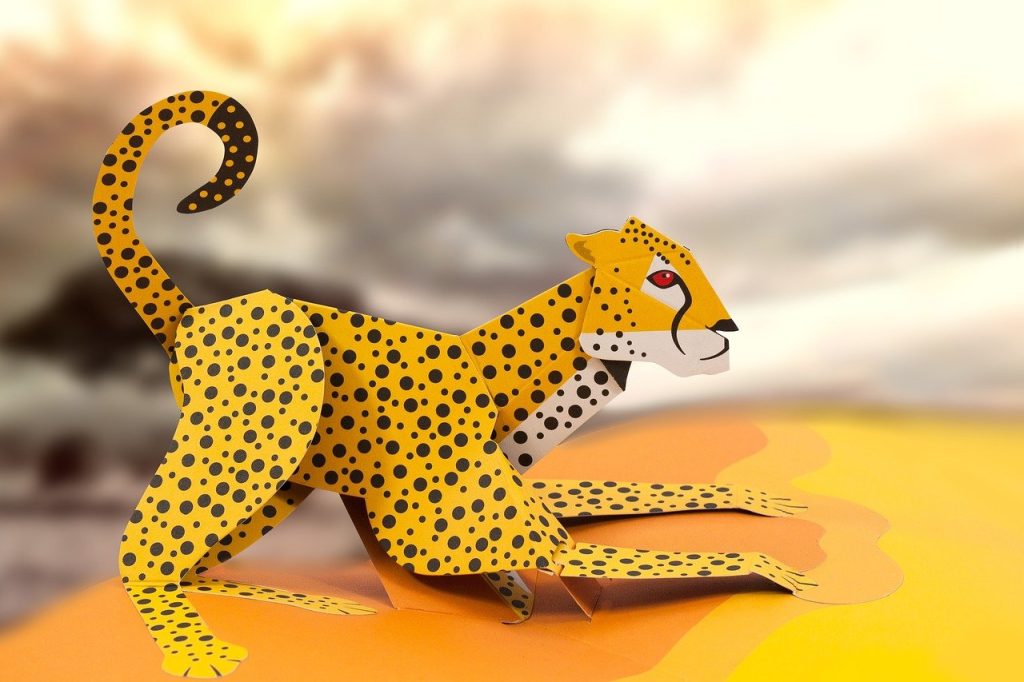
Creating engaging pop-up stories begins with an intriguing storyline that resonates with young readers, ensuring they are drawn into an interactive adventure. As you craft these stories, consider how the plot can unfold in an immersive way, capturing their imaginations with every turn of the page.
Understanding basic pop-up mechanics is essential. Incorporate elements like flaps, sliders, and tunnels to enhance your storytelling. These mechanics not only make the stories visually appealing but also add layers of interaction that keep readers engaged.
Choosing durable, child-friendly materials is crucial. Young readers can be rough with their books, so using sturdy materials helps maintain the structural integrity of your pop-up creations.
As you assemble the pop-up components, methodically test your prototypes to ensure everything functions smoothly. This attention to detail guarantees that each mechanism enhances the reading experience, making it enjoyable and seamless.
Educational Benefits of Pop-Up Books
Interactive storytelling through pop-up books captivates readers and enhances their engagement with the material. These dynamic educational tools ignite children's interest in reading by providing a tactile experience that traditional books lack. The visual elements in pop-up books not only attract young readers but also stimulate their imagination and creativity, making stories come alive in ways that promote deeper understanding and retention.
Research indicates that repeated readings of pop-up books significantly improve vocabulary skills. As children encounter new words within context, they develop a richer language foundation. This is especially beneficial for reluctant readers, who may find the interactive nature of pop-up books more appealing than standard texts. By engaging with these creative formats, children are likely to transition smoothly to text-only books while enhancing their visual and comprehension skills.
Influence on Modern Storytelling

Pop-up books have revolutionized contemporary storytelling by transforming traditional narratives into immersive, interactive experiences. Emerging in the 1930s, these innovative books captivated both children and adults with their engaging designs. Pioneers like S. Louis Giraud and Thomas Brown showcased exceptional paper engineering skills, creating movable mechanisms that added a dynamic and participatory layer to children's literature. This not only enhanced the visual appeal of stories but also encouraged readers to engage more deeply with the narrative.
The storytelling techniques developed during this era laid the groundwork for modern storytelling across various media. Today, the legacy of 1930s creativity is evident in pop-up books that feature intricate designs and interactive elements, captivating audiences of all ages. These contemporary pop-up books seamlessly blend art and narrative, fostering exploration and imagination, much like their early predecessors.
Consequently, the influence of pop-up books goes beyond literature, reshaping how stories are told and experienced. This ensures that the magic of storytelling continues to thrive in interactive forms, enriching the narrative experience for future generations.
Conclusion
In summary, the innovative spirit of the 1930s transformed pop-up books, turning straightforward tales into dynamic, interactive experiences. Techniques like flaps and sliders not only captivate readers but also enhance learning. These pioneering designs set the stage for contemporary storytelling, inspiring countless authors and artists. The next time you open a pop-up book, remember the rich history and creativity that brought these stories to life.