People That Invented Toys: Pioneers of Playtime Innovation
Toys have always been an essential part of childhood. From stuffed animals to plastic soldiers, these playthings have entertained and educated children for generations. The history of toys spans thousands of years, beginning with simple objects like marbles and kites, to more recent innovations like the hula hoop and Silly Putty.
Classic toys such as the yo-yo, trains, and teddy bears have stood the test of time, while inventive creations like Mr. Potato Head, Play-Doh, and Lincoln Logs continue to inspire creativity. Action figures and educational toys also play a significant role in the growth and development of children. Each of these toys has a unique story and a fascinating history behind its invention, contributing to their timeless appeal.
LOL Dolls
Isaac Larian, the CEO of MGA Entertainment, came up with the idea for these dolls during a sleepless night. While browsing popular YouTube videos, he noticed that toy unboxing videos attracted a lot of views. This inspired him to create a toy that was exciting to unwrap.
View this post on Instagram
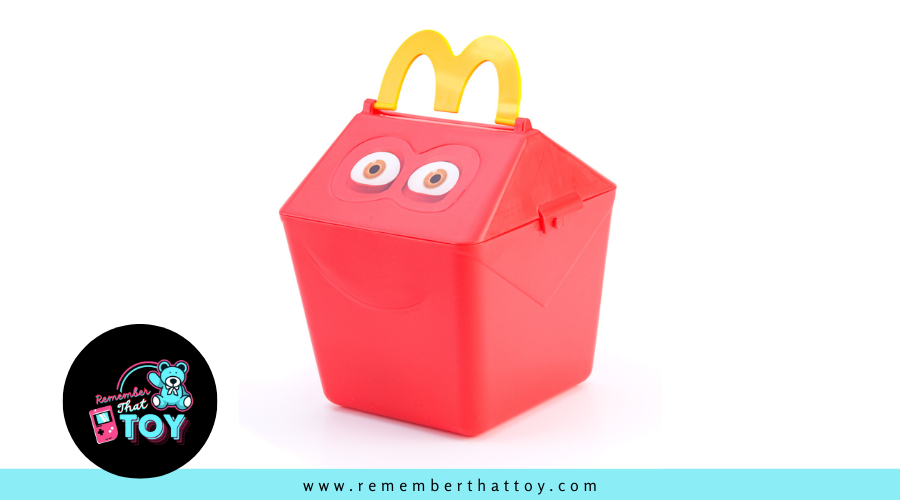
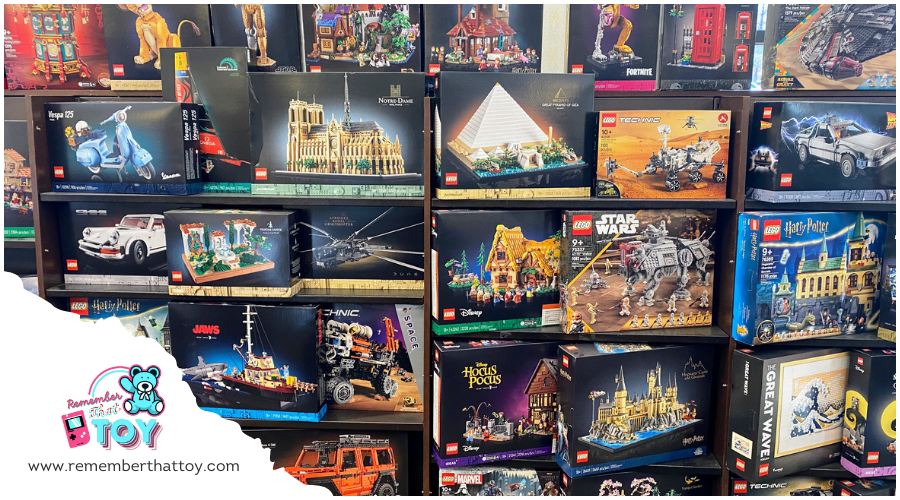
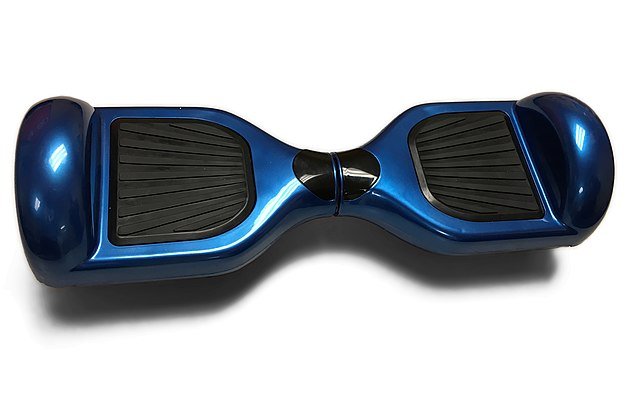
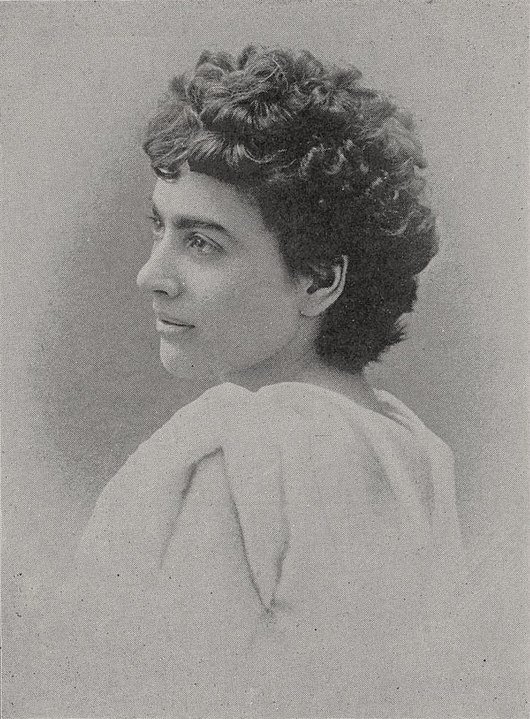
With his team, Larian designed small dolls with big eyes, wrapped in plastic balls with seven layers of film. Each layer has a small surprise, and the final layer reveals the doll itself. This unwrapping process mirrors the excitement found in unboxing videos. Initially, Walmart rejected the toy, believing it wouldn't sell since customers couldn't see the doll before purchasing it. Despite this, LOL Dolls quickly became a massive hit. This popularity often draws comparisons with classic toys like Barbie, showing how innovative ideas can revitalize the industry. The appeal lies not just in the dolls themselves but also in the anticipation and surprise of unwrapping them. The creation of the fidget spinner has a history filled with interesting events. In 1997, Catherine Hettinger invented a turning device to entertain her daughter. Catherine, dealing with myasthenia gravis—an autoimmune disorder that weakens the muscles—found it difficult to play with her child. This turning device could capture her daughter's attention for extended periods and was designed to help calm children. In 2016, Scott McCoskery patented the fidget spinner we recognize today. He initially crafted the device to manage his own anxiety. As he started using it, friends showed interest, and soon he received requests from strangers for these spinners. McCoskery's version turned into the popular fidget spinner known worldwide. Hoverboards are popular personal transport devices many teenagers enjoy today. They evolved from the Segway, which was similar in appearance, but featured a handle for steering. The Segway was invented by Dean L. Kamen. Unfortunately, Jimi Heselden, who owned Segway Inc., passed away while using his own product. Chinese engineers later enhanced the Segway by removing the handle and figuring out how to control turns by shifting the rider's center of gravity. The first true hoverboards came into existence in the early 2010s. These modern hoverboards offer a fun and innovative way to move around, combining balance and technology in a sleek design. Founded by Ole Kirk Christiansen in 1916, the iconic toy company LEGO began by making various wooden household items. A significant fire destroyed Christiansen's workshop, leaving the company to focus on small wooden toys, which they painted in bright colors. The name "LEGO" comes from the Danish words leg godt, meaning play well. By 1947, LEGO ventured into producing plastic toys, including the now-famous interlocking blocks. These bricks, along with figurines known as minifigures, became a staple for children worldwide, fostering creativity and imaginative play. Minecraft offers a unique experience similar to playing with LEGOs. The player explores and builds in a 3D world made entirely of blocks. Markus Persson, also known as Notch, is the developer of the game, which was officially released in 2011. The game rapidly grew popular with both children and adults. In its first year, the game’s success turned Notch into a millionaire. He shared his surprise on Reddit, expressing how unexpected this wealth was, especially considering his humble beginnings. He used some of the earnings to support his family and donated a portion to charitable causes. In 1969, inventor Reyn Guyer introduced his innovative idea to the Parker Brothers. This concept revolved around an indoor football game and featured a small, lightweight ball. However, Parker Brothers chose to focus solely on the ball itself. This decision led to the creation of the first Nerf product. Seeing its success, the company expanded the line by creating pneumatic blasters that could shoot these foam balls. These toys quickly became a favorite among children for their durability and impressive range. By 2011, Nerf was acclaimed as the top toy brand for boys. The concept of the Happy Meal began in the 1970s when McDonald's employees in Guatemala aimed to make meals more convenient for families with children. They came up with meal kits designed for both boys and girls. Bob Bernstein, who played a key role in this idea, saw children captivated by the packaging of cornflakes and believed McDonald's could create something similar. This led to the iconic red boxes with yellow smiley faces that contain both food and toys. Talented children's illustrators were brought in to craft the design. These meals quickly captured the hearts of young customers, making them a beloved part of the McDonald's experience. The Monster High dolls, with their gothic look, have a unique appeal to many young girls. It's surprising to some adults that these children are drawn to themes like vampires, werewolves, and gothic elements. The idea for these dolls came from Garrett Sander, who collaborated with his twin brother Darren. They created characters that are the children of monsters from horror stories. Monster High isn't just about dolls; it has expanded into animated movies, a book series, and even a video game. In 2017, Mattel introduced Enchantimals, which mix traits of people and animals. In 1903, Lizzie Magie created a board game named "The Landlord's Game." Her aim was to show young people the unfairness of a few businessmen owning a large amount of property. Lizzie believed her game had a powerful message and approached Parker Brothers to sell it. They rejected it, citing overly complex rules. Years later, in 1936, Charles Darrow presented Parker Brothers with a game remarkably similar to Lizzie's. His proposal was also turned down initially. Darrow, determined to see his game succeed, released it independently. As "Monopoly" gained popularity, Parker Brothers realized their mistake and agreed to work with Darrow. This version of the game skyrocketed in popularity to the point where "Monopoly" competitions now exist. Lizzie's original purpose for the game, which aimed to highlight economic inequality, became lost in this new version. The modern goal of "Monopoly" is to own everything, which is quite different from Magie's initial vision.Fidget Spinner
Hoverboard
LEGO
Minecraft
Nerf
Happy Meal
Monster High
Bonus: "Monopoly" was Supposed to Change Society
Related posts