Paint by Numbers Kit: How the 1950s Made Everyone an Artist
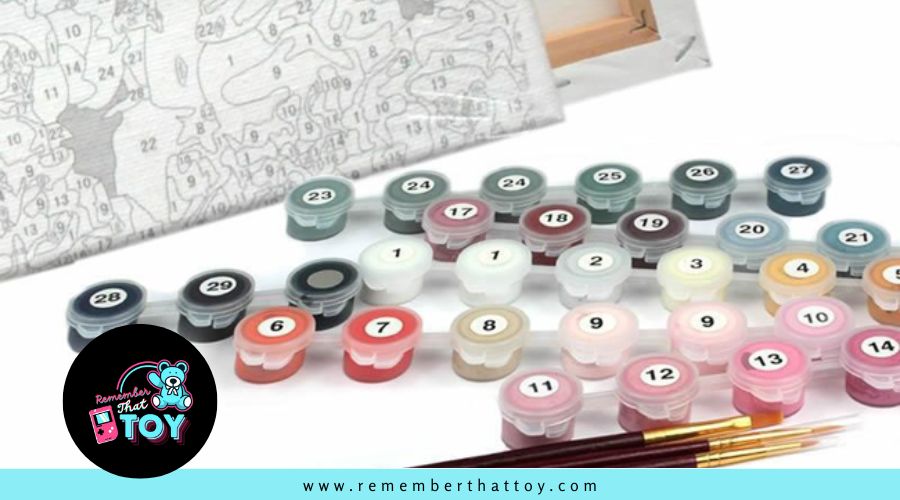
In the early 1950s, Dan Robbins altered the art world by introducing Paint-by-Numbers, a concept that made art accessible to everyone. Inspired by Leonardo da Vinci's teaching methods, Robbins created a system where aspiring artists followed numbered patterns to produce beautiful paintings. Max Klein introduced the first Paint-by-Numbers kits under the Craft Master brand at the New York Toy Fair in 1951. This innovative idea quickly became a popular pastime, with over 12 million kits sold by 1954.
Robbins initially designed abstract artworks, including the famous 'Abstract No. 1.' However, the kits soon evolved to include more realistic subjects like landscapes and animals, broadening their appeal. The slogan 'Every Man a Rembrandt!' captured the public's imagination, encouraging even those without artistic training to try painting. Paint-by-Numbers allowed people to easily explore their creative side and enjoy the process of painting. This newfound accessibility transformed the perception of art, making it an enjoyable and achievable hobby for everyone.
Paint-by-Numbers and American Culture
In the early 1950s, these kits democratized art, making it accessible to everyone—from bankers to housewives. By 1955, over 20 million kits had been sold, allowing individuals to create their own masterpieces with just a little guidance. The slogan "Every Man a Rembrandt!" resonated deeply, tapping into the growing desire for creativity amid the conformity of post-war America.
Paint-by-numbers kits not only became a cultural phenomenon but also sparked a new appreciation for American art. As people dipped their brushes into the paint, they experienced a unique blend of relaxation and self-expression. While some professional artists criticized these kits for stifling true creativity, many found joy in the simple act of painting, fostering individuality in their homes.
Artistic Controversies and Critiques
The advent of paint-by-numbers kits sparked intense debates within the art community. Many artists viewed these kits as a threat to genuine creativity and artistic integrity, disparaging their users as mere 'number filler inners' and suggesting that such kits diminished the essence of true artistic expression. Critics argued that paint-by-numbers promoted conformity and signaled a decline in artistic values. Conversely, supporters contended that these kits democratized art by making it accessible to everyone.
Key points of contention include:
- Authenticity vs. Accessibility: The clash between traditional artistic methods and a more simplified, inclusive approach.
- Pop Art Engagement: Figures like Andy Warhol engaged with the paint-by-numbers trend to critique the commodification of art.
- Cultural Reflection: These kits mirrored societal views on art's role in contemporary culture, particularly concerning mass production and creativity.
While professional artists expressed concerns about the devaluation of art, paint-by-numbers kits enabled individuals without formal training to experience the joy of painting. This accessibility highlighted the ongoing struggle between preserving artistic integrity and embracing new forms of artistic expression, prompting reflection on the true meaning of art in a commodified world.
Ver essa foto no Instagram
Influence on African American Artists
Paint-by-numbers kits have significantly influenced the artistic development of many African American artists, providing a means to explore their creativity and express their unique perspectives. For example, Kerry James Marshall has skillfully integrated this medium into his work, emphasizing its cultural importance. The accessibility of these kits enabled many African American artists to engage with painting despite limited resources.
Consider William Tolliver, who credited his ability to mix colors as a child to paint-by-numbers, which laid the foundation for his artistic career. Similarly, Dean Mitchell fondly recalls how his grandmother introduced him to these kits, nurturing his creativity from an early age. This early engagement with art inspired not only these individuals but also future generations of Black photographers and creatives.
The impact of paint-by-numbers in the 1950s demonstrates how democratizing art-making can create opportunities for underrepresented communities. By breaking down barriers to entry, these kits empowered African American artists to explore their talents and assert their voices in the broader cultural landscape.
The Rise of Collectibility
The vintage Paint-by-Numbers market is flourishing as collectors driven by nostalgia and the desire for accessible art-making increasingly turn to these kits. This growing interest has significantly transformed the market, elevating these kits from mere creative pastimes to valuable collectibles. Remarkably, some kits now fetch prices as high as $350, a substantial increase from their original cost of $2.50.
Key trends shaping this market include:
- Unique Themes: Kits featuring popular themes like kittens or vintage landscapes are highly sought after by collectors.
- Diverse Selling Venues: Both original and reproduction kits are commonly found in flea markets, thrift shops, and online platforms, highlighting their broad appeal.
- Strong Local Demand: Stores such as Second Time Around and A-Z Collectibles report high sales, reflecting a robust market for both unpainted kits and completed artworks.
This resurgence not only connects collectors with the creative practices of the past but also signifies a cultural shift towards appreciating art-making as an accessible and enjoyable activity.
Cultural Nostalgia Factors
Unique Paint-by-Numbers pieces, including reproductions of famous artworks, can be found in flea markets, thrift shops, and online sales. Collectors actively seek these items, driven by a cultural connection to simpler times. Local shops like Second Time Around and A-Z Collectibles report high sales of Paint-by-Numbers kits, illustrating their enduring appeal.
Each kit tells a story, reflecting the creativity and leisure of a bygone age. The hunt for these unique pieces not only satisfies collectors but also deepens the appreciation for the art form, ensuring that Paint-by-Numbers remains a celebrated part of our cultural tapestry.
Paint-by-Numbers in Popular Media
In the 1950s, paint-by-numbers kits became a cultural sensation in American homes, thanks to television commercials that enchanted audiences. Promoted on popular shows like The Adventures of Ozzie and Harriet, these art kits captured the imagination of millions, with over 20 million sold in 1955 alone. The appeal of paint-by-numbers lay in its accessibility, allowing everyone—from housewives to professionals—to express their creativity without needing formal training.
Artist Andy Warhol notably engaged with this trend in 1962, creating his 'Do It Yourself' series, which included half-finished paint-by-numbers paintings. His work highlighted themes of mass production and consumerism, solidifying the paint-by-numbers craze as a cultural phenomenon. This movement represented a shift towards democratizing art, making creativity accessible to the masses.
The significance of paint-by-numbers even reached the White House, where Thomas Edwin Stephens curated a gallery of these works. This showcased the hobby's acceptance and its role in post-war leisure culture, sparking discussions about the authenticity of art in a rapidly changing world.
Economic Factors in the Boom
In the wake of World War II, rising disposable incomes and a burgeoning middle class fueled a surge in leisure activities, making paint-by-numbers kits a popular choice for many Americans. This period marked significant economic growth, with per capita income reaching $1,453, allowing more people to indulge in hobbies like painting. As work hours decreased, a cultural shift emerged, where Americans dedicated about one-sixth of their income to leisure pursuits.
- Paint-by-numbers kits became a staple of American leisure culture.
- Millions of kits sold between 1951 and 1956, reflecting their widespread appeal.
- The popularity spanned numerous professions, showcasing the democratization of art-making.
With increased disposable income, creative expression became accessible for everyone, regardless of skill level. Formal training was unnecessary; you simply followed the numbers. This accessibility allowed people from all walks of life—bankers, housewives, and students—to partake in painting, transforming it from an elite pastime into a common leisure activity. Ultimately, paint-by-numbers kits symbolized not just a trend but a significant cultural and economic transformation in America during the 1950s.
Conclusion
These kits allowed individuals to discover the joy of painting without the burden of achieving perfection, thereby bridging generations through creativity. While debates regarding their artistic authenticity persist, the influence on American culture is undeniable. Today, these kits serve as nostalgic symbols of an era when art was both accessible and enjoyable, continuing to inspire new artists to embrace their creativity.