Old Toys Don't Trash Them Restore Them: A Guide to Breathing New Life Into Classics
Restoring worn-out toys can be a rewarding and fun activity for everyone. Many people have old toys lying around, whether they are action figures, dolls, or plastic toys. These toys often have sentimental value, bringing back memories of childhood. Instead of throwing these toys away, consider giving them a second life through restoration.
Why Restore Toys?
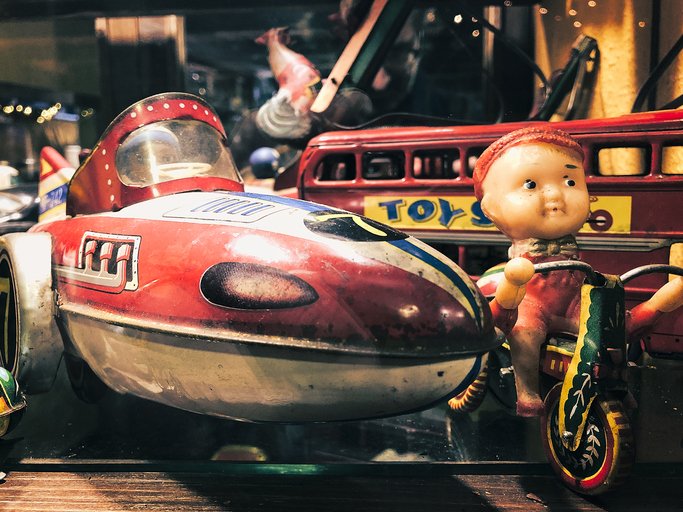
Restoring toys serves multiple purposes. It can be a productive way to spend time, especially during periods when outdoor activities are limited. It can also be a fantastic way to bond with children, showing them how to care for and appreciate their possessions. By bringing old toys back to life, these items can either be played with again or displayed proudly.
Materials You Might Need
- Cleaning Supplies: Mild soap, water, and cloths for cleaning dirt and grime.
- Paints and Brushes: For touching up worn-out paint.
- Replacement Parts: Sometimes parts are missing and need to be replaced.
- Decals: These can help restore toys to their original look.
Steps to Restore Toys
- Inspect the Toy: Look for parts that need cleaning, repainting, or replacing.
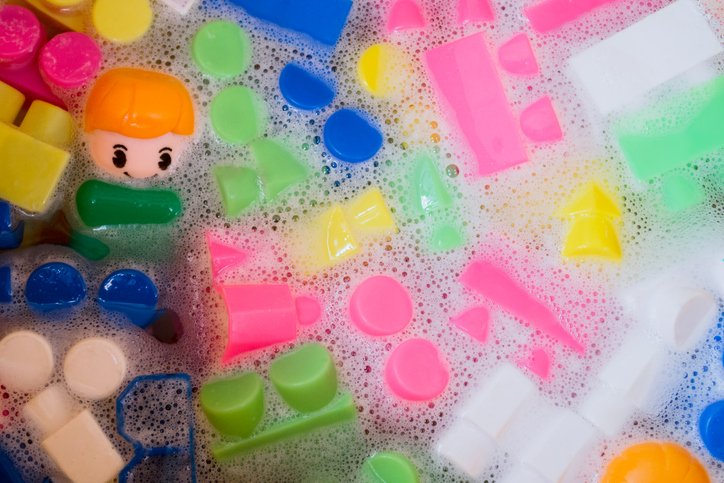
- Cleaning: Use mild soap and water to clean the toy. Avoid harsh chemicals as they can damage the toy.
- Painting: If the paint is chipped or faded, use safe, non-toxic paints to touch it up. Make sure to match the colors as closely as possible.
- Replacing Parts: Find or create replacement parts if necessary. This could include new wheels for a toy car or new limbs for a doll.
- Applying Decals: If the toy has decals that are worn out, consider buying or making new ones to apply.
Toy Types and Specific Tips
- Action Figures: These often require careful painting and sometimes new joints to restore mobility.
- Dolls: Cleaning the hair and clothes is essential. You may also need to sew new clothes or repair the existing ones.
- Plastic Toys: Ensure all parts are intact and clean thoroughly. Avoid using solvents that might melt the plastic.
- Blocks (e.g., LEGO): Often they just need a good wash and maybe replacement pieces.
Awareness of Sentimental Value
Many restored toys hold a lot of emotional weight. They can be a reminder of a cherished period in life. Restoring toys is not just about fixing objects; it's about preserving memories and heritage for future generations.
Donation Ideas
If you have restored toys but no longer need them, consider donating them. Many hospitals and shelters accept gently used or newly restored toys. This act of giving can bring joy to many children and contribute positively to the community.
Engaging in toy restoration not only rejuvenates the toys but also offers a meaningful way to spend time and teach valuable skills and lessons. The result can be a beautifully restored toy that retains its nostalgic touch while looking almost new again. This way, toys are given a new lease on life, to be enjoyed once more or proudly displayed as a piece of cherished history.
Helpful Tips
Restoring old toys can be an enjoyable and rewarding experience. When toys are in decent condition, they often need only a little care to look as good as new. Here are some ways to achieve excellent outcomes during the restoration process.
Cleaning
A thorough cleaning is crucial for toy restoration. Most older toys get dirty over time and can collect grime. Using soapy water can help remove this dirt. This step ensures that the toy is clean, which is important because any remaining dust or debris can affect the paint's ability to adhere properly. Using a gentle brush or cloth can help in getting into small crevices.
Correct Paint Selection
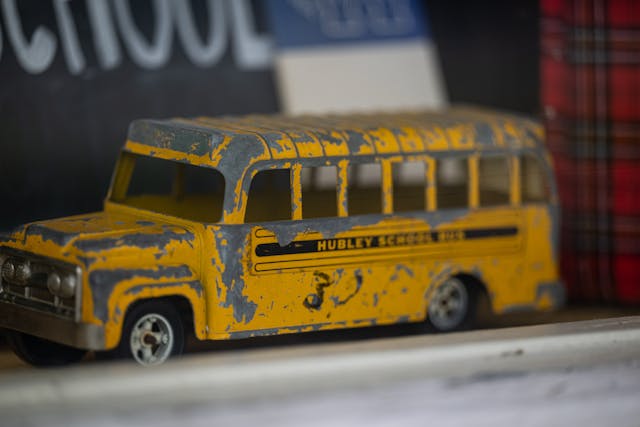
Choosing the right paint is essential. Toys typically use enamel model paints, which come in various finishes like gloss, satin, and matt. Each type of paint works differently depending on the toy's material. Enamel paints are usually affordable and available online. Always ensure that the paint you use matches the type of surface you are working with.
Use Visual References
When repainting, it's helpful to use a reference image to guide you. Before you begin, search online for pictures of the original toy to see where the paint should go and what colors to use. Taking your time and enjoying the process can make the work less stressful and more pleasurable.
Minimal Work Often Needed
Often, toys in good condition require minimal efforts to look new again. Simple steps like cleaning and a touch of paint can significantly improve their appearance. This can be especially meaningful if the toy has sentimental value or if it is intended for display rather than play.
Selling Restored Toys
Restored toys can also be sold. Platforms like eBay offer a marketplace where people can buy and sell refurbished items. Holding a yard sale or a garage sale can also be an effective way to pass these toys on to a new owner. Some people might be interested in these items for their nostalgia or collector's value.
Environmental Benefits
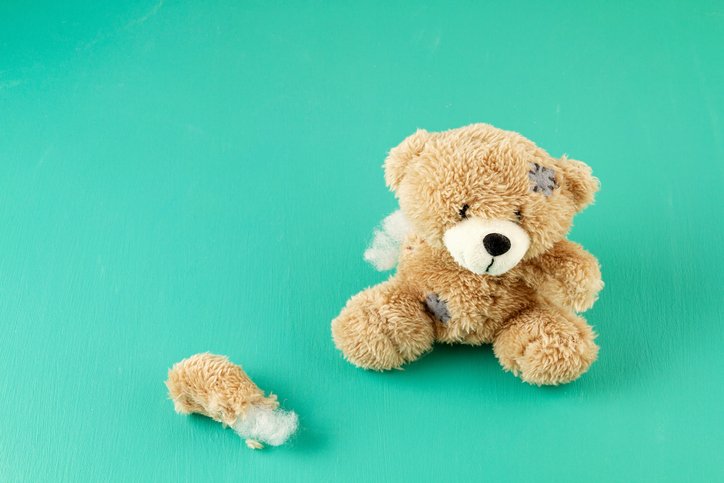
Restoring and reusing toys can also have positive environmental impacts. Recycling centers often accept toys if they are dismantled into their various components. Materials like metal, plastic, and paper can be separated for appropriate recycling channels.
Donating to Charities
Instead of throwing away old toys, they can be donated. Many charities accept used toys in good condition. This can be a meaningful way to declutter your space while providing joy to someone else. It also helps keep toys out of landfills, reducing plastic waste.
Avoiding Stress
The process of restoring toys should be an enjoyable activity. Focus on the fun and nostalgic aspects of the project. Taking your time and appreciating the memories can make the experience more fulfilling.
Storage Solutions
Proper storage of toys after restoration can maintain their condition. Using boxes or dedicated shelves can help keep them dust-free and organized. This is especially important if the toys are being kept for display or future use.
Reducing Plastic Waste
By restoring toys, you contribute to the reduction of plastic waste. Instead of buying new toys, refurbished ones can be just as enjoyable and functional. This practice supports a zero-waste lifestyle and promotes sustainable use of resources.
Battery Replacement
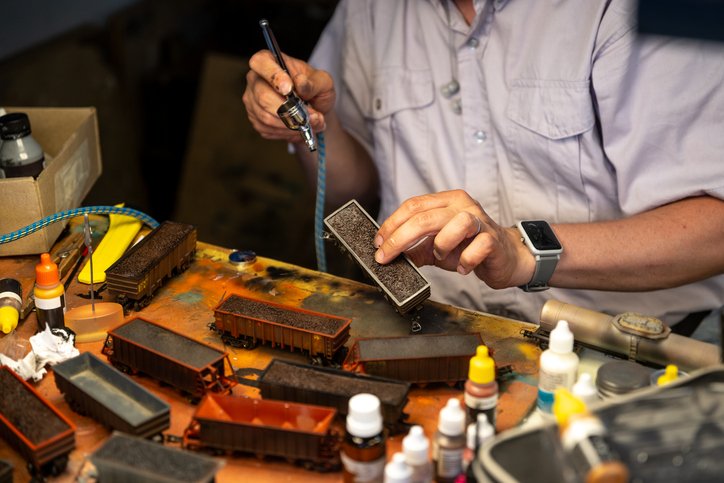
When dealing with electronic toys, replacing old batteries is often necessary. Ensure the new batteries are the correct type and properly installed. This can revive the toy’s functionality and make it more appealing for future use or sale.
Here's a simple table for quick reference:
| Step | Action |
|---|---|
| Cleaning | Use soapy water and a gentle brush or cloth to remove dirt and grime. |
| Paint Selection | Choose the right enamel paint type (gloss, satin, matte) for the toy’s surface. |
| Visual References | Use online images to guide your repainting efforts. |
| Selling Options | eBay, yard sales, and garage sales are good avenues for selling restored toys. |
| Environmental Impact | Recycle materials properly and consider their environmental benefits. |
| Donation | Donate usable toys to charities to reduce landfill waste and bring joy to others. |
| Stress-Free Process | Enjoy the restoration process and focus on positive memories. |
| Storage | Store restored toys in boxes or on shelves to keep them clean and organized. |
| Battery Replacement | Replace old batteries to revive electronic toys. |
When approached with care and patience, toy restoration can offer a refreshing way to connect with the past while being kind to the environment.