Most Popular Dolls in 20th Century America
Children have always found joy and companionship in dolls, cherishing these miniature representations of humans throughout different eras and cultures. From ancient wooden dolls in Egyptian tombs to modern-day soft vinyl dolls with advanced technology, dolls have evolved immensely over time. The Industrial Revolution played a significant role in making dolls more accessible, thanks to mass production techniques and affordable materials.
During the 20th century, mass media like newspapers, radio, and television played a key role in popularizing various dolls. Visionary artists, designers, and entrepreneurs, many of them women, created some of the most beloved dolls of the era. These creators not only crafted the dolls but also built the stories and characters around them, captivating children worldwide.
Kewpie Dolls
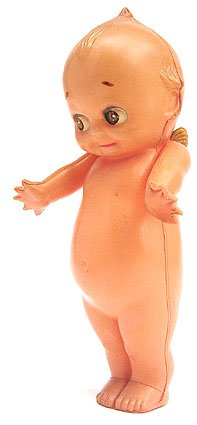
The Kewpie doll craze took off in the 1910s and 1920s, growing from illustrations created by American author and illustrator Rose O’Neill. Making their first appearance in the December 1909 issue of Ladies Home Journal, Kewpie stories and illustrations soon featured in other women's publications. By 1912, some magazines included cutout paper versions of the dolls.
As their popularity skyrocketed, three-dimensional Kewpie dolls made from bisque porcelain and celluloid became available. These dolls were accompanied by a variety of licensed Kewpie products, ranging from tea towels to even jars of mayonnaise. In her autobiography, O’Neill described the Kewpies as benevolent little elves performing good deeds humorously.
Kewpies also played a role in promoting social causes. O’Neill used her characters to advocate for racial, economic, and gender equality. Notably, in 1914, Kewpie dolls were parachuted from a plane at a women’s suffrage rally in Nashville, Tennessee, each wearing a "Votes for Women" sash.
Topsy Turvy
A unique and intriguing toy, the Topsy Turvy doll features two heads and torsos—one Black and one white—joined at the waist. By flipping up the skirt, the doll transforms from one to the other. It's a cloth doll, and though its exact origin is uncertain, it is believed to have emerged in the 19th-century American South, particularly in plantation nurseries.
These dolls symbolized the complex racial dynamics of the time. Black enslaved girls, often paired with white children as playmates, mirrored the dual figures of the Topsy Turvy. Whether the doll was meant to reinforce or challenge racial norms is still a mystery.
View this post on Instagram
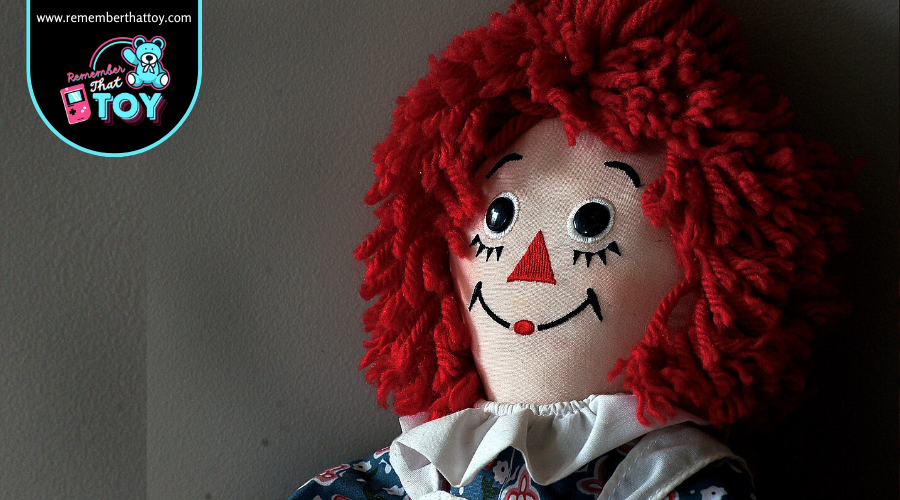
In the 20th century, Topsy Turvy dolls were mass-produced and became very popular. Sewing patterns for these dolls were offered by companies like Vogue, McCall's, and Butterick, making it easier for families to create their own at home. Raggedy Ann and her brother Raggedy Andy have been cherished playthings for over a century. These cloth dolls are distinguished by their triangular red noses and unruly yarn hair. The origin story begins with Johnny Gruelle, inspired by his daughter Marcella's faceless rag doll. Gruelle patented Raggedy Ann in 1915 and started creating stories and illustrations about her adventures. Tragically, Marcella passed away at 13 due to a contaminated vaccine, but Gruelle continued his work to honor her memory. The first Raggedy Ann book was published in 1918 by P.F. Volland, which greatly increased her popularity. Since then, over 60 million Raggedy Ann books, dolls, and related items have been sold worldwide. Items include: These timeless characters have become iconic figures in children's toys. Madame Alexander dolls emerged as premium, collectible toys thanks to Beatrice Alexander, a daughter of Russian immigrants. Growing up in New York's Lower East Side, she witnessed her stepfather's business repairing broken porcelain dolls for wealthier families. This early exposure inspired her to start creating her own dolls. With the outbreak of World War I disrupting the supply of European-made toys, Alexander saw an opportunity. She began sewing cloth dolls at her kitchen table for the American market. In 1923, with a $1,600 loan, she established the Alexander Doll Company. This enterprise quickly grew into one of the largest doll manufacturers in the United States, a legacy that continues today. The company's fame soared through its licensed dolls based on literary and film characters. From the March sisters of Little Women to Scarlett O'Hara of Gone With the Wind, these dolls became favorites among collectors. Additionally, the line included dolls representing notable figures such as Sonja Henie, Jacqueline Kennedy, and the Dionne quintuplets. In 1953, Alexander was commissioned to craft royal family dolls ahead of Queen Elizabeth's coronation. True to her dedication to quality, she sourced cloth from the same mill that produced the coronation robes. The fine craftsmanship and attention to detail have kept Madame Alexander dolls highly desirable for collectors and enthusiasts alike. Shirley Temple became a beloved child star in the 20th century, captivating audiences during the Great Depression. Her iconic look, featuring bright eyes, dimples, and signature ringlet curls, inspired numerous consumer products, notably the Shirley Temple dolls. These dolls, created by the Ideal Toy and Novelty Company, were first patented in 1934 with licensing from Fox Film Corporation. Features: Popularity: Shirley Temple dolls are now considered highly collectible, representing a fascinating piece of Hollywood history. They stand as tangible reminders of Shirley Temple's lasting impact on American culture. Little Lulu, with her distinct sausage curls, button eyes, and iconic bloomers, first appeared in the Saturday Evening Post in 1935. Created by the talented female cartoonist Marjorie Henderson Buell, Lulu Moppet, known as Little Lulu, quickly became a favorite for her spirited and independent nature. She was a prankster who could easily compete with the boys. Little Lulu's image was featured in TV series, films, and on products like Kleenex and Pepsi-Cola. Additionally, numerous Little Lulu dolls were produced for years. Nancy Ann Abbott, an ex-Hollywood actress and artist, began making dolls in the 1930s. She would craft porcelain dolls dressed in hand-sewn costumes inspired by the films in which she acted. These uniquely dressed dolls became popular gifts among her colleagues. By 1936, Abbott decided to turn her hobby into a business. With just $100, she started the Nancy Ann Dressed Dolls Company from her apartment during the Great Depression. The business grew rapidly, and by 1943, it had over 125 different doll characters, such as Muffie, Debbie, and Little Margie. The company's dolls initially had bodies made of bisque but later transitioned to hard plastic. Each doll was sold with one distinctive outfit, typically adorned with taffeta, lace, large bows, and eye-catching hats. Abbott's designs were the hallmark of the brand. Nancy Ann Dolls Inc. grew to become the largest doll manufacturer in the United States by the late 1940s. The company continued its operations until 1971, creating beloved character dolls that are still cherished by collectors today. Barbie, first introduced on March 9, 1959, at the International Toy Fair in New York, holds the title of the first U.S. mass-produced doll featuring adult characteristics. Created by Ruth Handler, co-founder of Mattel, the doll drew inspiration from a German novelty toy. Barbie quickly became a cultural phenomenon and a best-selling product. Over the decades, Barbie has taken on more than 200 roles, including rock star, astronaut, and many others, reflecting evolving societal norms and aspirations for women. Despite facing criticism for promoting unrealistic body expectations and an emphasis on materialism, Barbie's appeal has continued unabated, with over a billion units sold globally. Her impact remains significant in both the toy industry and popular culture. Chatty Cathy was a groundbreaking talking doll created by Mattel. Launched soon after Barbie, she was designed to "speak" 11 different phrases such as "let's play school!" and "please brush my hair." Kids could make her talk by pulling a "chatty ring" on her back, which triggered a simple phonograph inside her. Initially, Chatty Cathy had blonde hair and blue eyes, but she later became available in brunette, auburn-haired, and dark-skinned versions. Sold for six years, she became Mattel's second-best-selling doll of the 1960s after Barbie. The success of Chatty Cathy led to other related dolls like Chatty Baby, Tiny Chatty Brother, and Singin' Chatty. Baby Nancy emerged as a significant doll during the Black Power movement. Created after the riots in the Watts neighborhood of Los Angeles, she became a symbol of empowerment and change. Civil rights activists and community leaders founded Operation Bootstrap, an effort to uplift the community economically. Part of this initiative was Shindana Toys, a company aiming to reflect Black pride and talent. Baby Nancy was the first doll developed by Black toy makers with support from Mattel. Unlike earlier Black dolls that were merely darker versions of white dolls, Baby Nancy had distinct Afrocentric features. She had a short Afro hairstyle that reflected her cultural identity. Introduced at the height of the civil rights era, she offered a new standard for Black beauty in toys. Baby Nancy's release encouraged a broader and more accurate depiction of Black individuals in children's playthings. Her creation marked an important step in diversifying the toy industry and promoting positive representations of Black children. By the 1970s, plastic dolls had taken over the toy market, leaving behind handmade toys made from cloth and wood. This trend saw a major shift thanks to Martha Nelson, a folk art student from Kentucky. Nelson's handmade, soft-sculpture dolls began as local craft fair items but quickly gained popularity. An entrepreneurial artist named Xavier Roberts bought a few of Nelson's dolls and saw their potential. He started reproducing the dolls and expanding the concept. Roberts transformed an old medical clinic in Georgia into BabyLand Central, creating a magical setting where the dolls, now called "little people," were "born" in cabbage patches and available for "adoption." Each doll came with its own birth certificate, adding to the unique experience. Roberts, together with a partner, licensed the doll idea to Coleco, a toymaker. Coleco invested heavily in advertising, boosting the dolls' popularity. The demand for Cabbage Patch Kids skyrocketed, leading to incidents of parents fighting over the dolls in stores. The dolls topped toy sales charts for three consecutive years during the mid-1980s, with peak sales reaching $600 million in 1985. Each Cabbage Patch Kid had a distinctive look and adoption papers, making them special for every child who owned one. Martha Nelson, the original creator, later received recognition and a settlement for her contribution to this iconic toy line. These dolls did more than just provide joy to children; they also changed how toys were marketed and sold, emphasizing personal connection and uniqueness. Rainbow Brite emerged in the 1980s as a beloved doll and animated character. Created with backing from companies like Hallmark and Mattel, the brand aimed to replicate the success seen by Strawberry Shortcake. The story centers on Wisp, a character with a mission to bring color to the universe and defeat the King of Shadows. Along with her friend Twink and her horse Starlite, Wisp captured the imagination of children. A 1984 animated TV series and a 1985 movie further boosted the popularity of Rainbow Brite, leaving a lasting impression on generations who enjoyed this colorful, hopeful character. American Girl dolls were introduced in 1986 by Pleasant Rowland, an elementary school teacher from Wisconsin. The collection aims to blend learning with play, teaching history through engaging stories and playtime. Each of the first dolls represented different eras in American history, each with a unique and well-researched background, shared in a six-part book series. Some early characters included: Standing 18 inches tall, each doll came with period-appropriate clothing, furniture, and accessories. These items, while enhancing the play experience, could make the dolls quite expensive—sometimes costing hundreds of dollars—leading to criticisms about affordability. Initially, American Girl dolls were only available through mail order. Later, they were sold in immersive store environments located in various cities across the U.S. These stores offered salon and dining experiences, a doll "hospital," and party services, making visits highly interactive events for children. In 1998, Rowland sold American Girl to Mattel. Over time, the historical line was expanded with contemporary characters that feature diverse skin tones, facial features, and backstories, reflecting a broader range of experiences. Polly Pocket dolls became a huge hit in the 1990s due to their innovative concept of tiny figures within handheld dollhouses. Designed by Chris Wiggs for his daughter in the early 1980s, he crafted a miniature dollhouse inside an old makeup compact. Bluebird Toys in the U.K. took over the concept, releasing these compact dolls in 1989. The original Polly Pocket figures were less than an inch tall and came inside small, clamshell-shaped playsets. Eventually, over 350 different sets were made, featuring tiny mechanisms and moving parts. Mattel obtained U.S. distribution rights and later, in 1998, bought out Bluebird Toys, redesigning Polly to be larger and more similar to Barbie.Raggedy Ann and Andy
Madame Alexander Dolls
Shirley Temple Dolls
Little Lulu
Nancy Ann Storybook Dolls
Barbie
Chatty Cathy
Baby Nancy
Cabbage Patch Kids
Rainbow Brite
American Girl
Polly Pocket
Related posts