Monkeying Around with Sock Monkeys
Overview
The sock monkey, known for its cute, silly, and soft appearance, has a rich history rooted in Rockford, Illinois. Swedish immigrant John Nelson played a crucial role in its creation. In 1872, he and William Worth Burson invented an automatic knitting machine that revolutionized sock production by closing the heel and toe—a task previously done by hand. Their company, Nelson Knitting, was established in 1880 and became known for producing seamless hosiery. By the early 1900s, they were making thousands of pairs of socks each day.
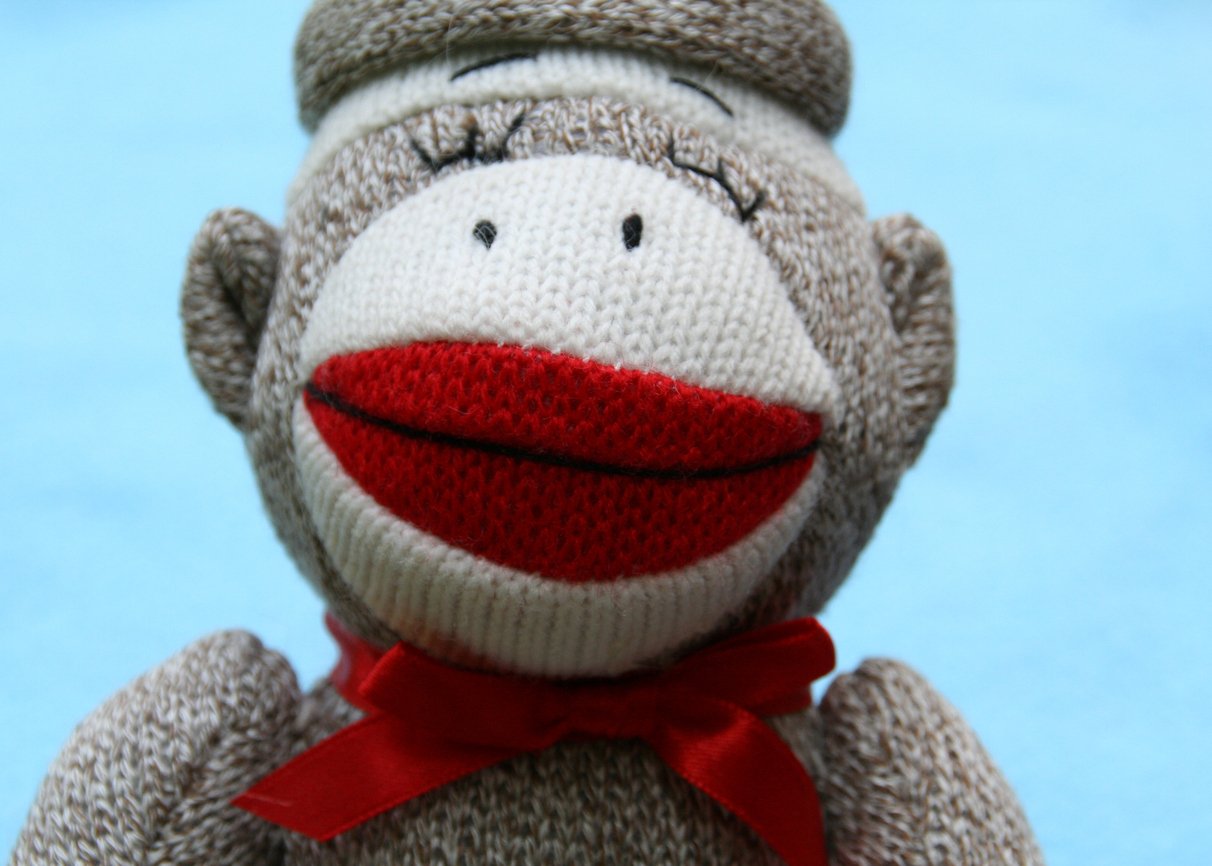
During the Great Depression, the Nelson Knitting Company thrived while many other businesses struggled. The demand for their "Rockford" socks grew rapidly, and these socks became widely known for their durability. To distinguish their product from imitation versions, the company added red yarn to the heel of the sock, creating the iconic "De-Tec-Tip." This red heel eventually became the distinctive red lips of the sock monkey.
Although no one knows who made the first sock monkey, these toys became popular during the Great Depression as families repurposed worn-out Rockford socks into stuffed animals. Initially, they were hand-sewn, combining elements of folk art and kitsch. By the early 1950s, Nelson Knitting recognized the popularity of sock monkeys and decided to patent the toy, which was granted in 1955. The company began including patterns for making a sock monkey with each purchase of Red Heel socks. Sears, Roebuck and Co. later offered instruction booklets on making various stuffed animals and puppets from Rockford socks.
Sock monkeys maintained their popularity through the 1960s and 1970s and saw a resurgence in the new millennium. Today, they are often mass-produced, appealing to a wide range of consumers. Modern sock monkeys, or "Sock Monkey 2.0," frequently feature clothes, hairstyles, and accessories, enhancing their appeal to both children and adults.
Since 2005, Rockford has celebrated the Sock Monkey Madness Festival, drawing enthusiasts from across the country. The Strong Museum also showcases several sock monkeys in playful poses, highlighting their enduring charm. Sock monkeys not only bring nostalgia but also continue to evolve as beloved toys.
The various parts of the monkey are crafted from socks, with arms, ears, tail, and mouth carefully cut and sewn to shape the toy. The body and legs are made from a single sock, with precise cuts and stitches to form the distinctive monkey shape. Polyfil stuffing and embroidery threads are used to give it depth and character, often enhanced with buttons for eyes and accessories such as ribbons.
The sewing process involves different techniques such as straight stitches for durability and whip stitches for finishes. Those who craft sock monkeys take pride in the folk art and kitsch values these toys represent. Whether created by hand or machine, the sock monkey remains a testament to creativity and resilience.
The presence of the red heel on the socks serves as a distinctive mark, indicating an original Rockford sock. This feature has historical significance, as it set apart genuine Nelson products from imitators. The quirky red lips of the sock monkey have grown into a recognizable symbol.

Collectors and hobbyists cherish sock monkeys for their historical and sentimental value. They often seek out vintage pieces or create new designs using templates and patterns. These creations might feature traditional elements or modern twists, but they all retain the basic charm of the original toy.
In addition to personal collections, museums like The Strong acquire and exhibit sock monkeys to showcase their cultural impact. These pieces often portray joyful poses, emphasizing the playful nature of the toy. Through such exhibitions, the sock monkey's legacy is celebrated and preserved for future generations to appreciate.
Beyond their use as toys, sock monkeys have evolved into cultural icons. They appear in various forms of media and art, bringing a sense of whimsy and nostalgia to diverse audiences. Their enduring presence in popular culture underscores their lasting appeal and the simple joy they bring.