Magic 8 Ball: The 1940s Fortune-Telling Toy
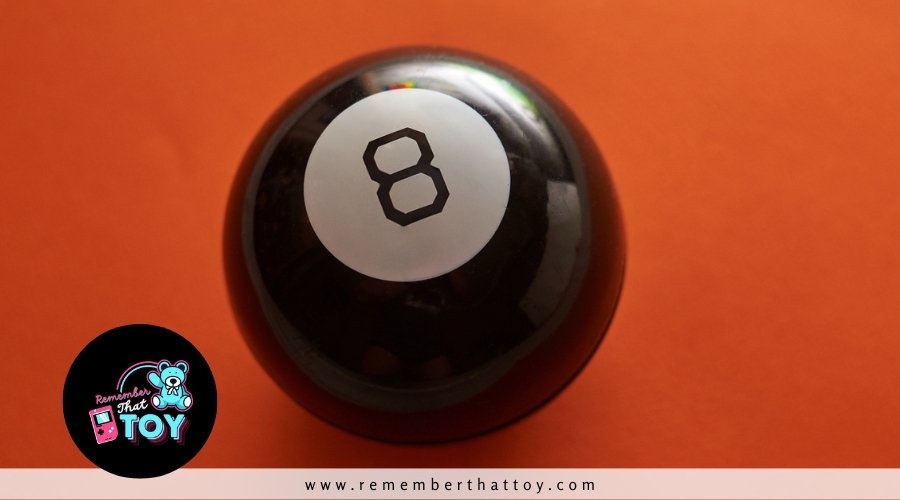
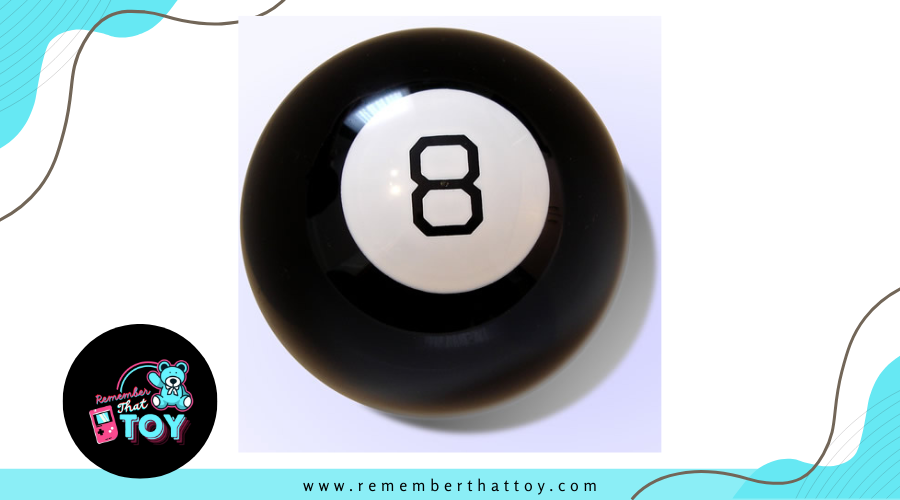
The Magic 8 Ball, initially named the Syco-Seer, was invented by Albert C. Carter in the mid-1940s. Inspired by a spirit writing device used by his clairvoyant mother, Carter developed a prototype featuring a cardboard tube with a die mechanism. This early concept evolved into the liquid-filled design resembling the iconic 8 ball we recognize today.
In 1946, Carter partnered with Abe Bookman to bring the Syco-Seer to market, forming Alabe Crafts, Inc. The company played a crucial role in refining and popularizing this fortune-telling toy. Although Carter applied for a patent in 1944, he passed away before it was granted posthumously in 1948, paving the way for mass production.
The design was further solidified in 1950 when Brunswick Billiards commissioned the familiar black 8 ball appearance. This collaboration was pivotal in establishing the toy as a beloved cultural icon and an entertaining oracle.
Design and Functionality
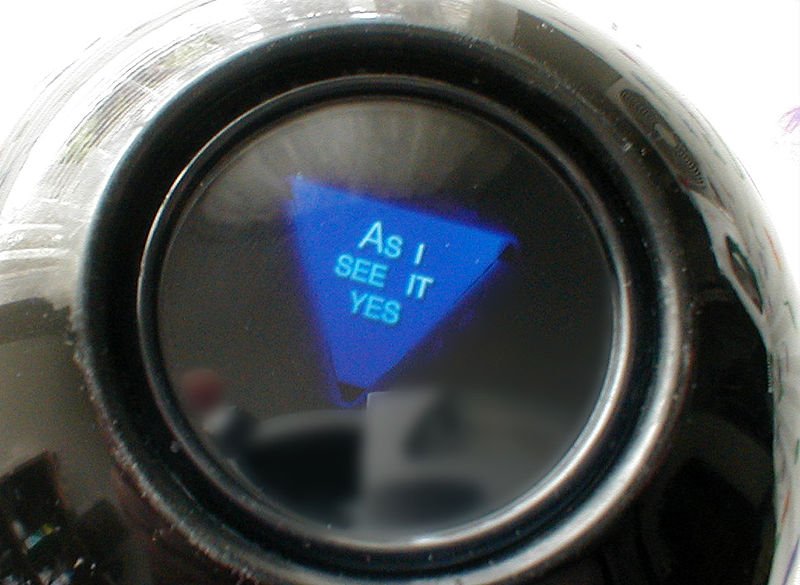
greeblie from US, Magic 8 Ball - Instrument Of Evil? (2426454804), CC BY 2.0
Inside the Magic 8 Ball, a unique 20-sided die, or icosahedron, floats in liquid, ready to provide answers to your yes-or-no questions. Each face of this die features a different response, making it an essential element of this fortune-telling toy. You will find a mix of possible responses: ten affirmatives like "Yes," five non-committal phrases such as "Ask again later," and five negatives including "Don't count on it."
To use the Magic 8 Ball, simply ask your question, give it a good shake, and then turn it over to reveal the answer through the triangular window. This interaction adds an element of suspense and excitement, allowing you to ponder the outcome before the answer appears.
Since its introduction, improvements like the Bubble Free Die Agitator have been made to enhance functionality by preventing bubbles from obstructing your view of the die. This ensures you can clearly see the result, enriching your experience with this beloved fortune-telling toy. So, the next time you seek guidance, let the unique 20-sided die provide you with the answers you crave.
Liquid-Filled Chamber Design
The Magic 8 Ball features a hollow plastic sphere designed to resemble a black billiard ball, housing a liquid-filled chamber that enhances both functionality and user experience. Inside, a 20-sided die floats in a dark blue liquid, offering a visually appealing contrast against the white responses printed on the die. This makes the answers easily readable even after shaking the ball.
To use the Magic 8 Ball, you ask a yes-or-no question, shake the ball, and then look through the triangular window to reveal the answer. This design fosters anticipation and excitement as you await the response.
Cultural Impact
The Magic 8 Ball has made a lasting impression on popular culture, blending whimsicality and mysticism that appeals to multiple generations. Since gaining fame in the mid-20th century, this quirky fortune-telling toy has become a cultural icon, symbolizing playful decision-making and lighthearted fun. With annual sales of around one million units, its enduring appeal is evident.
The Magic 8 Ball frequently appears in films and TV shows, serving as a humorous prop that adds a touch of magic to everyday dilemmas. Its design has remained largely unchanged, evoking nostalgia while still captivating new audiences in the digital age. In 2011, TIME Magazine honored the Magic 8 Ball as one of the All-TIME 100 Greatest Toys, solidifying its status as a beloved fixture in popular culture.
Engaging with this whimsical toy is more than just playing with a novelty item; it connects you to a tradition that has entertained and intrigued people for decades. The Magic 8 Ball continues to be a charming reminder of the joy of uncertainty and the fun of letting fate decide.
Marketing Evolution
The Magic 8 Ball, initially conceived as a simple paperweight, evolved into a beloved fortune-telling toy that captivated both children and adults. Originally marketed as a quirky desk accessory, its unexpected popularity among kids in the 1950s led to its rebranding as a playful decision-making toy.
When Alabe Crafts, Inc. sold the Magic 8 Ball to Ideal Toys in 1971, the marketing strategy shifted significantly. Ideal Toys enhanced its visibility and distribution, making it a staple in toy aisles nationwide. By emphasizing the toy's light-hearted engagement, they ensured its broad appeal across different age groups.
The acquisition by Tyco Toys in 1987 led to a resurgence in sales, with annual figures reaching around one million units under Mattel's ownership. Seasonal marketing strategies and collaborations with popular brands kept the Magic 8 Ball relevant, continually highlighting its whimsical charm in the competitive toy market.
Popularity Over the Years
Since its debut, the Magic 8 Ball has captivated multiple generations, securing its place in both playrooms and parties. Its journey to fame began in the 1950s when it was initially marketed as a paperweight before being repositioned as a fortune-telling toy for children. The Magic 8 Ball quickly gained popularity, engaging users with its whimsical approach to decision-making and chance. Mattel reports annual sales of approximately one million units, underscoring its enduring appeal.
The toy's cultural significance was further cemented when it was inducted into the National Toy Hall of Fame in 2018. This accolade highlights not only its entertainment value but also its role in social interactions, where it often elicits laughter and lightheartedness. The Magic 8 Ball frequently appears in various media and online platforms, maintaining its relevance in contemporary culture. Its nostalgic charm continues to resonate, making it a timeless favorite for both the young and the young at heart. The Magic 8 Ball's sustained popularity is a testament to its lasting legacy of fun.
Criticism and Skepticism
Many people criticize the Magic 8 Ball for being a frivolous tool that offers random answers, thus undermining rational decision-making. Skeptics argue that using the toy can promote reliance on chance rather than encouraging analytical reasoning when facing significant choices. They often highlight that the responses generated by the Magic 8 Ball lack any scientific basis, reducing it to mere entertainment rather than a legitimate tool for decision-making.
This skepticism also underscores the contrast between the Magic 8 Ball and more advanced technologies like digital assistants. Despite their own error rates, digital assistants claim to provide informed suggestions based on data and algorithms. While some see the Magic 8 Ball as a fun pastime, critics contend that it trivializes serious decision-making processes. The toy's charm lies in its whimsical nature, but that very quality raises questions about its effectiveness.
Ultimately, while the Magic 8 Ball endures as a nostalgic relic, its critics remind us to approach decision-making with a critical eye, emphasizing the importance of analytical reasoning over random chance.
Conclusion
The Magic 8 Ball is more than just a toy; it's a historical artifact that has captivated hearts since the 1940s. Its unique design and whimsical predictions bring a sense of wonder, making decision-making entertaining. Evolving with contemporary trends, its enduring charm continues to resonate across generations. Whether you're looking for guidance or a bit of fun, the Magic 8 Ball remains a nostalgic symbol of simpler times, inspiring curiosity in everyone.