Koosh Ball: the 1980S Toy That Bounced Into Popularity
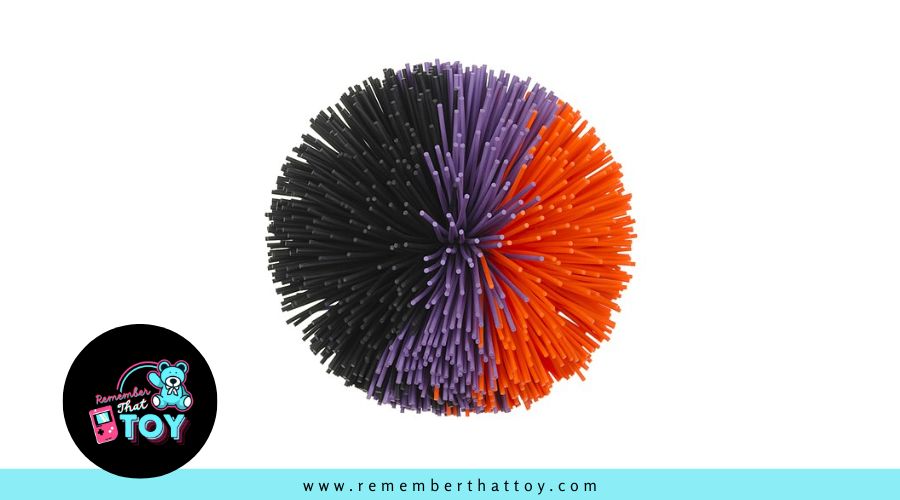
The Koosh Ball, invented in 1987 by Scott H. Stillinger, quickly became a beloved toy that offered a softer, more tactile alternative for kids struggling with traditional balls. Designed for easy throwing and catching, it was perfect for children who found typical hard balls intimidating. After filing for a patent in 1987, Stillinger received it in 1988, paving the way for mass production.
Initially produced by OddzOn Products Inc., the Koosh Ball gained immense popularity, selling 50 million units by 1994 and becoming a bestseller by 1988. The name 'Koosh' was chosen from over 200 potential options, inspired by the sound made when the ball is caught. Its catchy name and playful nature led to the Koosh Ball being recognized as one of the 100 Greatest Toys of All Time by Time magazine.
Design and Materials
Koosh Balls are uniquely designed toys featuring approximately 2,000 natural rubber filaments that make them both engaging and safe for children. When stretched end to end, these filaments extend over 300 feet, promoting tactile interaction. Each ball has a diameter of about 3 inches and is constructed with floppy filaments that collapse upon impact, enhancing grip and energy absorption.
Here's a detailed look at the design and materials:
| Feature | Description |
|---|---|
| Material | Natural rubber latex |
| Safety | Soft and non-toxic, suitable for children |
| Performance | Absorbs energy, minimizing bounce and injury risk |
Originally crafted from rubber bands, the Koosh Ball's design was refined for improved performance and safety. Its unique composition ensures a soft throwing experience, significantly reducing the risk of injury compared to harder toys. Suitable for children aged 3 and older, Koosh Balls offer endless fun without safety concerns. The combination of innovative design and safe materials makes the Koosh Ball a timeless toy.
Marketing and Popularity
The Koosh Ball gained widespread popularity in the late 1980s due to its playful design and stress-relieving benefits. Effective marketing strategies were crucial to its success.
Celebrity endorsements significantly boosted the Koosh Ball's visibility, making it a must-have toy. Children were thrilled to see their favorite stars playing with these colorful, squishy balls. Educational promotions also played a role, helping the Koosh Ball gain traction in schools as a fun, safe alternative to traditional toys.
Commercials and toy catalogs effectively highlighted the Koosh Ball's appeal to both children and parents. Despite some initial media ridicule, the toy's unique charm eventually won over skeptics. It became a cultural phenomenon, even earning a spot in Time magazine's list of the 100 Greatest Toys of All Time. Through clever marketing and strategic partnerships, the Koosh Ball transitioned from a simple toy to a beloved household staple, cementing its place in toy history.
Educational Uses
Children can significantly enhance their motor skills through activities involving Koosh balls, which promote hand-eye coordination and fine motor development. These soft, pliable toys enable safe play, encouraging children to throw, catch, and grip without the risk of injury. In educational settings, Koosh balls serve as effective sensory tools that boost focus and tactile engagement during physical education and therapy sessions.
How Koosh Balls Support Motor Skill Development
| Activity | Skills Developed | Benefits |
|---|---|---|
| Tossing | Hand-eye coordination | Improves catching skills |
| Rolling | Coordination | Enhances spatial awareness |
| Gripping | Fine motor skills | Strengthens hand muscles |
| Group Games | Teamwork and communication | Fosters social interaction |
Incorporating Koosh balls into various exercises allows children to enjoy physical activity while developing essential coordination skills. Teachers often use these activities in group settings to promote teamwork and encourage peer interaction. These elements make Koosh balls a valuable tool for motor skill development.
Sensory Play Benefits
Koosh balls offer unique sensory play benefits that can significantly enhance engagement and focus in educational settings. Their soft, flexible filaments are ideal for developing fine motor skills in young children, as activities like catching and throwing these balls enhance coordination. Incorporating Koosh balls into physical education classes or stress relief activities promotes sensory play, capturing students' attention and encouraging active participation.
Additionally, Koosh balls are valuable tools in occupational therapy, aiding individuals with special needs in improving grip strength and hand-eye coordination. Their tactile nature provides sensory stimulation, making them suitable for children with attention difficulties who might struggle with traditional classroom activities.
Koosh Kins Characters
Koosh Kins characters ignite imaginative play with their distinct personalities and vibrant designs, encouraging children to dive into creative storytelling. Each character adds a unique flair, enhancing the play experience.
T.K., the cool guy with sunglasses, exudes a laid-back vibe and speaks in slang, making him relatable to kids who want to sound trendy. Grinby, the resilient and dependable character, dressed in all-yellow, epitomizes strength and loyalty, inviting kids to imagine him as a steadfast friend.
Scopes, with his quirky periscope eyes and question marks, sparks curiosity, encouraging kids to ask questions and explore their surroundings. Gee Gee, the nurturing character in pink hues, embodies empathy and care, helping children practice compassion in their play.
Together, these Koosh Kins characters create a rich, imaginative world where every child can find a friend and embark on new adventures. Whether solving problems as a team or simply enjoying each other's company, the Koosh Kins make playtime vibrant and memorable.
Safety and Legal Issues
Soft and squishy, Koosh balls are designed with safety in mind, making them an ideal, low-risk toy for children aged 3 years and up. The safety features prioritize a soft, non-harmful play experience, minimizing the risk of injury often associated with harder toys. Made from natural latex rubber, these balls are not only safe but also provide a satisfying tactile experience that kids enjoy.
A key aspect of their design is their ability to collapse upon impact. This feature significantly reduces the risk of hard hits, ensuring that if a Koosh ball strikes a child, it results in a gentle encounter. While Koosh balls are generally safe, it's advisable to keep them away from pets, as they can attract hair and pose a choking hazard if small parts are ingested.
Legal Challenges Faced
Legal challenges surrounding the Koosh ball emerged when safety concerns led to significant court cases that tested the boundaries of toy design and liability. One major issue involved a 1988 decision by the U.S. Copyright Office, which denied copyright protection for the Koosh ball. This ruling was later reviewed by future Supreme Court Justice Ruth Bader Ginsburg in 1991, highlighting the complexities of copyright law within the toy industry. The court determined that the function and design of the Koosh ball were inseparable, impacting its ability to be protected under copyright law.
In 2002, the toy faced a notable lawsuit when Lucille DeBellis sought $3 million after a Koosh ball struck her during The Rosie O'Donnell Show. This incident underscored the potential risks associated with playful products, despite the Koosh ball being rated safe for children aged 3 and up. Although it was designed to be soft and non-harmful, scrutiny over safety concerns persisted due to multiple impact injuries.
Economic Impact
The economic impact of the Koosh ball is evident in its significant sales figures and the expansion of its product line, highlighting its influence on the toy industry during the late 1980s and early 1990s. By 1994, over 50 million Koosh balls had been sold, generating an estimated annual revenue of $30 million for OddzOn Products. This success positioned the Koosh ball among the top-selling toys of its era, showcasing its popularity and market appeal.
The Koosh ball's expansion to over 50 themed and specialty items illustrates its adaptability and broad consumer interest. The sale of OddzOn Products to Russ Berrie and Co. in 1994 underscored the financial success of the Koosh brand, emphasizing its profitability within the competitive toy market. This trend continued when Hasbro acquired OddzOn in 1997, further solidifying the Koosh ball's economic significance. Hasbro's extensive reach allowed the Koosh ball to capture a broader audience, ensuring its continued popularity and impact in the toy industry. Overall, the Koosh ball has left a lasting mark, reshaping market dynamics and fostering growth in the toy sector.
Cultural Significance
Koosh balls have become an iconic symbol of the 1980s and 1990s, resonating with nostalgia and playful fun. Their cultural significance extends beyond mere entertainment, encompassing legal history and therapeutic practices.
| Aspect | Details |
|---|---|
| Creative Design | Unique, flexible rubber strands for easy handling |
| Fun to Play | Engaging for kids and adults alike |
| Media Presence | Featured on The Rosie O'Donnell Show |
| Legal Intersection | Involved in a copyright case overseen by Ruth Bader Ginsburg |
| Therapeutic Use | Utilized in therapy for conditions like trichotillomania |
The Koosh ball's onomatopoeic name mimics the sound it makes when tossed, adding to its charm. Recognized by Time magazine as one of the 100 Greatest Toys, its simple yet engaging nature makes it a staple in both play and therapy. This versatility demonstrates how a simple toy can maintain lasting relevance, bridging fun and functionality across diverse contexts.
Conclusion
The Koosh Ball's journey from a simple toy to a cultural icon highlights the power of creativity and play in bridging generations. Its unique design captivated children and promoted essential motor skills. Reflecting on your own experiences with this beloved toy, it's clear that the Koosh Ball is more than just a piece of rubber; it's a symbol of fun and connection that continues to resonate through time.