How Train Sets Shaped Generations of Hobbyists
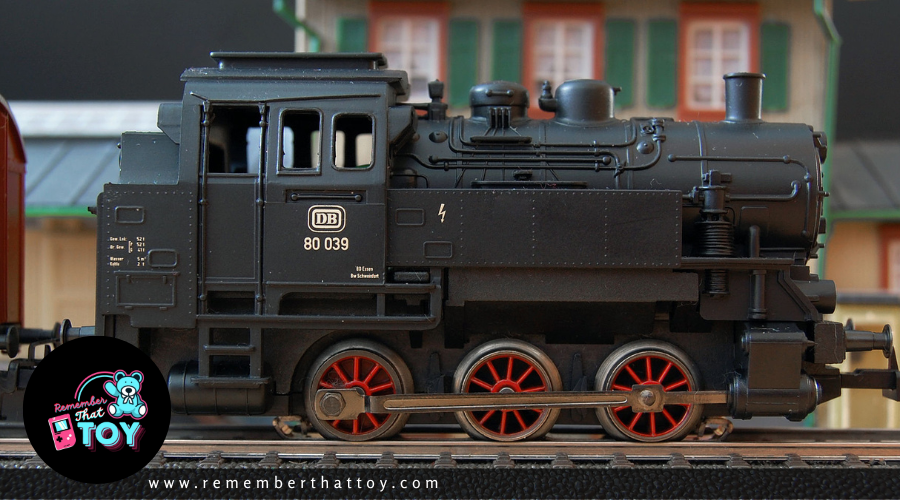
Model trains have a rich history that dates back to the late 19th century when they initially emerged as simple tinplate toys. Märklin was one of the earliest companies to shift from producing dollhouse accessories to crafting these early models in the 1890s. The early 20th century brought significant advancements, particularly with the introduction of electric trains by Lionel in 1901.
Early model trains often utilized wind-up or clockwork mechanisms, showcasing remarkable craftsmanship that sparked children's imaginations. The brightly colored, oversized designs attracted not just kids but adult collectors as well. As the hobby evolved, these train sets became educational tools, allowing you to create intricate miniature worlds.
By the mid-20th century, HO scale trains gained popularity, making model railroading more accessible. The combination of engineering artistry and the joy of building complex layouts solidified model trains as a beloved pastime, paving the way for an enduring community of hobbyists dedicated to this fascinating craft.
Image: Wuzur, Modeltrain2, CC BY-SA 3.0
The Golden Age of Collecting
Engaging a generation, the Golden Period of Model Trains, from the 1920s to the 1950s, marked a transformative phase in the hobby. During this time, Lionel dominated the U.S. market, especially with their iconic O gauge trains that enchanted both children and serious collectors. The emergence of the HO scale (1:87) allowed hobbyists like you to create expansive layouts in limited spaces, broadening the appeal of model railroading.
The post-war economic boom fueled a surge in model train sales, shifting their perception from mere toys to valuable collectibles. Media advertising played a significant role in this shift, presenting model trains as a cherished hobby for families. Accessories, including intricate buildings and scenic landscapes, became commercially successful, further enhancing your creativity as a hobbyist.
With advanced engineering and intricate details, model trains captured the imagination of many, establishing the Golden Age as a crucial time that defined the future of the hobby. Collectors began to appreciate the craftsmanship involved, making this period a cornerstone for model train enthusiasts.
Transition to Scale Modeling
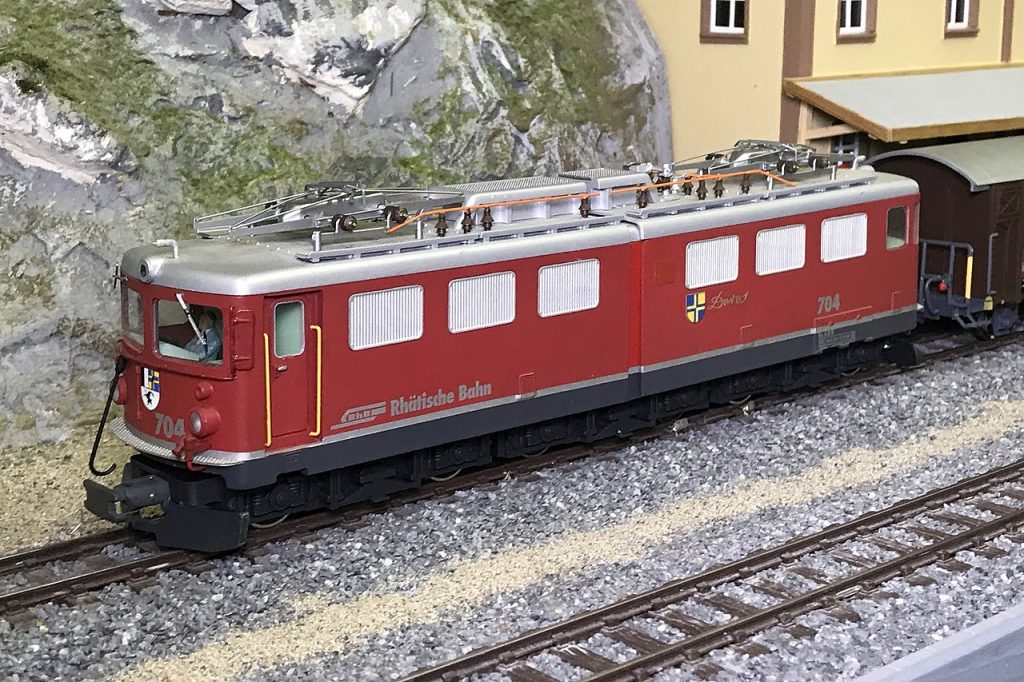
As the 1960s rolled in, hobbyists shifted from toy trains to realistic replicas, embracing a new period of scale modeling. This shift marked a significant change in how you approached model railroading, focusing on accurately replicating real-world railroads. The introduction of the N scale (1:160) opened up new possibilities, allowing you to create expansive layouts even in limited spaces.
Advancements in electric technology during this time led to more reliable motors and power systems, enhancing the performance of your trains. You could now enjoy smoother operations and better control over your setups. The arrival of Digital Command Control (DCC) in the 1980s took things a step further, offering advanced control over multiple trains on a single track.
With realistic features like lights, sound effects, and smoke generators becoming standard, your hobby transformed into an engaging experience. You found yourself part of a community of like-minded individuals who shared your passion, exchanging ideas and techniques to improve your modeling skills. This period truly defined what it meant to be a model railroader, making your hobby more captivating and rewarding than ever before.
Modern Innovations and Customization
These advancements in 3D printing and laser cutting enable you to create highly detailed and customizable components that improve the realism of your layouts. In this contemporary period, Digital Command Control (DCC) systems allow you to control multiple-scale trains independently on the same track, adding a dynamic, interactive element to your hobby.
Additionally, the integration of smartphone apps has made operating model trains more accessible and user-friendly, bridging the gap between technology and traditional practices. Online forums provide a platform for you to share ideas, seek advice, and showcase your creations. As you investigate these modern innovations, you'll find that customization is no longer just a goal but an integral part of the model railroading experience.
View this post on Instagram
Wrapping Up
Model trains have shaped generations of hobbyists, evolving from simple tinplate toys to intricate, realistic replicas. What started as a childhood fascination grew into a lifelong passion for many, combining creativity, engineering, and artistry. Through decades of innovation—like electric trains, scale modeling, and digital controls—this hobby has remained a perfect blend of nostalgia and progress.